

Electrical Thermography
Electrical Thermography in the Philippines: A Practical Guide to Infrared Thermography Electrical Inspection and Thermal Scanning of Electrical Systems
In many buildings and factories across the Philippines, electrical problems don’t announce themselves loudly. They don’t always trip breakers or shut down machines right away. Most of the time, they start quietly — with heat.
Loose connections, overloaded circuits, worn-out components, and aging electrical systems all generate excess heat long before failure happens. The problem is, you can’t see this heat with the naked eye. By the time smoke, sparks, or shutdowns occur, the damage is already done.
This is where electrical thermography becomes one of the most valuable tools in modern electrical maintenance.
At ETCZ Corp, we’ve spent years performing infrared thermography electrical inspections and thermal scanning of electrical systems for factories, commercial buildings, and industrial facilities throughout the Philippines. This guide is written to help you understand what electrical thermography really is, why it matters, and how it protects your facility from fire, downtime, and unexpected repair costs.

What Is Electrical Thermography, in Simple Terms?
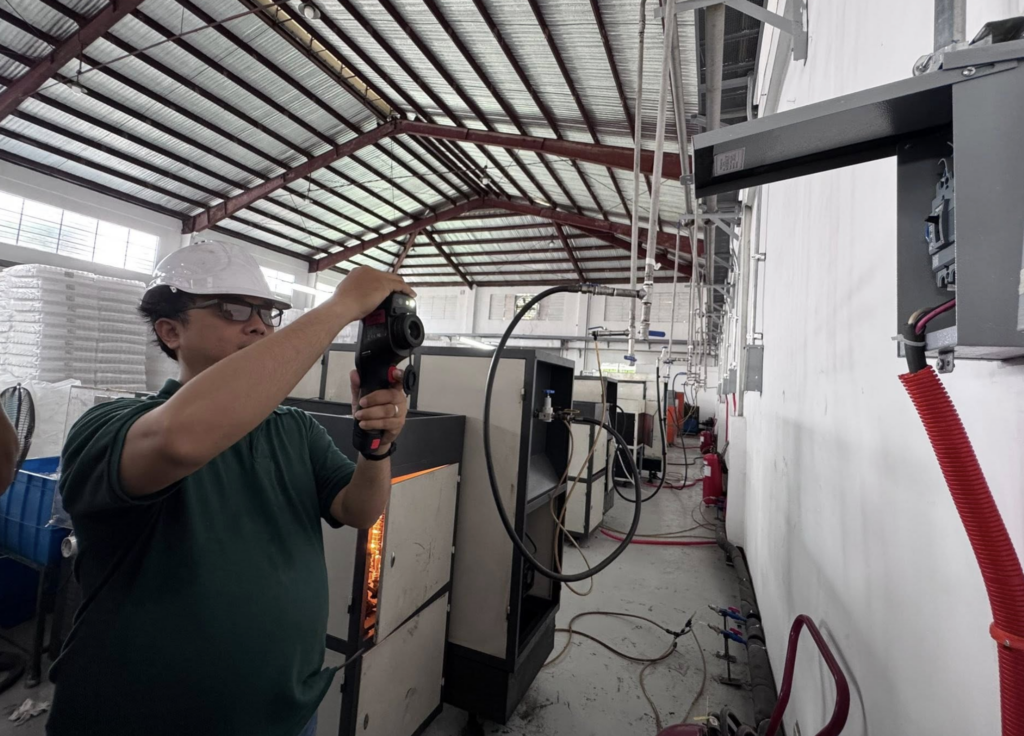
Electrical thermography is a non-invasive inspection method that uses infrared cameras to “see” heat patterns in electrical systems while they are operating normally.
Every energized electrical component produces heat. That’s normal.
What isn’t normal is excessive heat or uneven temperature patterns — these are often early warning signs of serious problems.
Through thermal scanning of electrical systems, technicians can identify:
Loose or corroded connections
Overloaded circuits
Phase imbalance
Failing breakers or contacts
Insulation deterioration
The biggest advantage? Problems are detected early — before failure, fire, or shutdown occurs.
Why Electrical Thermography Is Especially Important in the Philippines
Electrical thermography is useful anywhere, but in the Philippines, it’s even more critical because of our operating conditions.
High Ambient Temperatures
Electrical components already run warm. Add high outdoor temperatures, and systems operate closer to their limits every day.
High Humidity and Moisture
Humidity accelerates corrosion, which increases resistance at electrical connections — and resistance creates heat.
Aging Electrical Systems
Many buildings and factories are operating equipment that was installed years, sometimes decades, ago.
Increasing Power Demand
Modern machinery, automation, and expansion projects place heavier loads on existing systems.
Because of these factors, infrared thermography electrical inspection is one of the most effective ways to keep electrical systems safe and reliable in the Philippine environment.
How Infrared Thermography Electrical Inspection Works
A professional electrical thermography inspection is straightforward, but highly technical behind the scenes.
Electrical systems remain energized and under normal load
Certified technicians use infrared cameras to scan:
Panel boards
Switchgear
Transformers
MCCs
Busbars
Cable terminations
Temperature differences are recorded
Abnormal heat patterns (hot spots) are analyzed
Findings are classified by severity
Because the inspection is done while systems are operating, it provides real-world, accurate results — without interrupting production or operations.
Which Electrical Systems Should Be Thermally Scanned?
In a proper thermal scanning electrical systems program, the following are commonly inspected:
Panel Boards and Distribution Boards
Loose breakers and busbar connections are one of the most common causes of overheating.
Switchgear and Motor Control Centers (MCCs)
These are critical points where failures can shut down entire production lines.
Transformers
Thermography can reveal overheating bushings, load imbalance, and internal issues.
Cables and Terminations
Hot cable joints and lugs are a leading cause of electrical fires.
Generators and ATS Panels
Ensures reliable operation during power outages.
Common Issues Found During Electrical Thermography Inspections
Based on field experience, thermography inspections frequently uncover:
Loose or improperly torqued connections
Overloaded circuits and feeders
Phase imbalance
Deteriorated insulation
Corroded terminals
Defective breakers or contactors
Undersized conductors
Each of these issues creates heat — and heat is a warning sign that should never be ignored.

Real Benefits of Electrical Thermography for Buildings and Factories
Electrical thermography delivers real, measurable value:
1. Fire Prevention
Most electrical fires start from overheating connections.
2. Reduced Unplanned Downtime
Problems are corrected before failure occurs.
3. Longer Equipment Life
Lower temperatures mean less stress on components.
4. Better Energy Efficiency
Excess heat equals wasted energy.
5. Improved Safety
Protects people, property, and operations.
6. Smarter Maintenance Planning
Maintenance becomes planned, not emergency-driven.
How Often Should Electrical Thermography Be Done?
For most facilities in the Philippines:
Industrial plants: Once per year minimum
Commercial buildings: Annually or semi-annually
Critical facilities: Quarterly inspections
After upgrades or load changes: Immediate inspection
The right frequency depends on load intensity, environment, and operational importance.
Electrical Thermography as Part of Preventive Maintenance (PMS)
Thermography works best when it is integrated into a Preventive Maintenance Service (PMS) program.
At ETCZ Corp, thermography results are used to:
Prioritize repairs
Plan shutdowns efficiently
Reduce emergency maintenance
Improve compliance and documentation
This approach shifts maintenance from reactive to predictive.
Standards and Best Practices
Professional electrical thermography aligns with:
Philippine Electrical Code (PEC)
NFPA 70B
ISO 18434
DOE energy efficiency recommendations
These standards help ensure inspections are accurate, repeatable, and defensible during audits or insurance reviews.
Why Clients Choose ETCZ Corp for Electrical Thermography in the Philippines
Clients trust ETCZ Corp because we combine:
Certified electrical engineers
Trained thermography specialists
Industrial-grade infrared equipment
Experience across factories and buildings
Clear, actionable reporting
We don’t just show thermal images — we explain what they mean and what actions to take next.
What’s Included in an ETCZ Electrical Thermography Inspection
Full thermal scanning of electrical systems
Identification of hot spots and anomalies
Severity classification (critical, serious, minor)
Infrared and visual images
Engineering analysis
Practical corrective recommendations
Who Benefits Most from Electrical Thermography?
Manufacturing plants
Commercial buildings
Hospitals and data centers
Industrial parks
Utilities and substations
If uptime, safety, and reliability matter, thermography is essential.
The Cost of Ignoring Electrical Thermography
Skipping thermography increases the risk of:
Electrical fires
Equipment failure
Production losses
Insurance claims
Safety incidents
Preventive inspection is always more cost-effective than emergency repair.
Frequently Asked Questions (FAQ)
Yes. Inspections are done at a safe distance without touching live components.
No. Inspections are performed while systems are operating.
No. It complements maintenance by identifying issues early.
Very accurate when performed by trained professionals.
. The legal mandate stems from the Philippine Electrical Code (PEC), Republic Act No. 7920 (New Electrical Engineering Law), and Occupational Safety and Health Standards (OSHS), which require regular inspection of electrical systems to prevent fire and ensure safety
Clients




ETCZ Corp
Schedule Your Electrical Thermography Inspection
If you’re looking for reliable electrical thermography services in the Philippines, work with ETCZ Corp.
Our certified engineers and thermography specialists are ready to assess your facility and help you prevent failures before they happen.
Call Now 09778411839
Get your FREE initial consultation today.
Gallery


"We are thankful for the excellent service provided by ETCZ Corp. Their distribution transformers have enhanced the efficiency of our power network."
Your Partner for Electrical Success
Whether you are looking to design a new system, optimize an existing one, or address specific challenges, ETCZ Corp\u2019s electrical engineering services are your trusted solution. From initial planning to final implementation, we work closely with you to deliver efficient, reliable, and cost-effective results.

Expertise You Can Trust:
Backed by a team of seasoned professionals, we bring decades of collective experience to the table. Our electrical engineers are not only proficient in their craft but also passionate about delivering excellence in every project we undertake.

Comprehensive Services
Whether you’re in need of design consultation, project management, installation, or maintenance services, ETCZ Corp offers a comprehensive suite of solutions to meet your requirements. We work closely with our clients at every stage of the project, from conceptualization to completion, ensuring seamless execution and optimal outcomes.

Quality Assurance
Quality and safety are paramount in the work we do. At ETCZ Corp, we adhere to the highest standards of quality assurance, employing rigorous testing and inspection protocols to ensure that every project meets regulatory requirements and industry standards. Our dedication to quality is evident in the reliability and durability of our solution

Client-Centric Approach:
At ETCZ Corp, we prioritize our clients’ needs above all else. We take the time to understand their unique challenges, goals, and constraints, tailoring our services to deliver solutions that address their specific requirements. Our client-centric approach fosters long-lasting partnerships built on trust, transparency, and mutual success
Have any queries?
We're here to help.
- #52 M.L Quezon St. Villa Ligaya Subdivision Barangay Dela Paz, Antipolo City
- 09778411839
- [email protected]