

Why Certified Energy Audits Are Required for Large Commercial and Industrial Facilities
Certified Energy Auditors
For many large commercial buildings and industrial facilities in the Philippines, energy is one of the highest operating expenses—yet it is also one of the least monitored.
After more than 30 years working with factories, plants, malls, and high-load facilities, one reality stands out:
The bigger the facility, the bigger the hidden energy losses.
This is why certified energy audits are not just recommended—but required for large commercial and industrial facilities under Philippine regulations.
At ETCZ Corp, we help businesses understand why certified energy audits matter, how they support DOE compliance, and how they translate into real operational savings, not just paperwork.
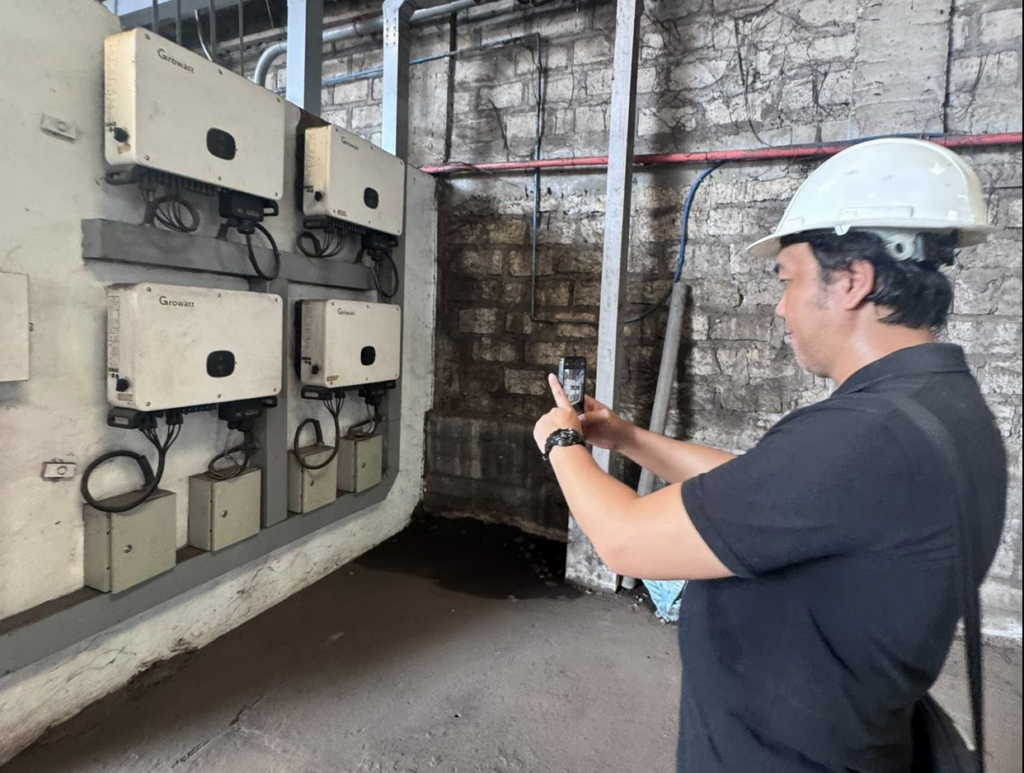
What Is a Certified Energy Audit? (Quick Recap)
A certified energy audit is a structured and professional evaluation of how energy is consumed within a facility, conducted by qualified and certified energy auditors following Department of Energy (DOE) standards.
It goes beyond observation by:
Measuring actual energy use
Identifying inefficiencies
Quantifying losses
Recommending verified energy-saving solutions
For large facilities, this process is mandatory, not optional.
Why Are Certified Energy Audits Required in the Philippines?
The Philippine government, through the Department of Energy (DOE), enforces energy efficiency policies under the Energy Efficiency and Conservation Act.
Large energy-consuming facilities are required to:
Monitor energy usage
Implement efficiency measures
Submit energy audit reports
Appoint energy managers or auditors
Certified energy audits are the foundation of these requirements.
Who Is Considered a “Large” Commercial or Industrial Facility?
Facilities typically required to undergo certified energy audits include:
Manufacturing plants
Industrial complexes
High-rise office buildings
Shopping malls
Hospitals and data centers
Cold storage and logistics hubs
Facilities with high connected loads
If your power consumption is significant, compliance is not optional.
The Real Reason Energy Audits Are Mandatory
Contrary to common belief, certified energy audits are not required just for regulation.
They exist because:
Large facilities consume a major portion of national energy
Small inefficiencies scale into massive losses
Electrical failures often stem from energy mismanagement
Preventive action is cheaper than corrective action
Audits help protect infrastructure, operations, and investments.
DOE Energy Audit Philippines: What the Law Is Trying to Prevent
The DOE mandates energy audits to prevent:
Excessive energy waste
Unplanned electrical failures
Power quality issues
Overloading of grids
Rising operational costs
Environmental impact
Without audits, energy inefficiency remains invisible.
Why “Certified” Energy Audits Are Non-Negotiable
A certified energy audit ensures:
Accuracy of measurements
Engineering-based analysis
Standardized methodology
Acceptable documentation for DOE
Actionable and defensible results
Uncertified audits may fail compliance checks and provide unreliable conclusions.
Common Energy Problems Found in Large Facilities
Certified energy audits frequently uncover:
Inefficient motors and drives
Poor power factor
Electrical losses from loose or overheated connections
Oversized or underutilized equipment
Inefficient lighting systems
Aging transformers
Lack of preventive maintenance
These issues often go unnoticed without proper auditing.
The Cost of Ignoring Energy Audit Requirements
Facilities that fail to comply face:
Regulatory penalties
Higher electricity bills
Increased risk of equipment failure
Reduced equipment lifespan
Safety hazards
Unplanned downtime
In many cases, the cost of non-compliance exceeds the cost of the audit itself.
How Certified Energy Audits Protect Large Facilities
Certified energy audits help facilities:
Identify energy waste
Reduce operational costs
Improve electrical system reliability
Support electrical preventive maintenance (PMS)
Prevent overheating and failures
Extend equipment lifespan
Support future expansions
Ensure compliance with DOE standards
They turn compliance into strategic advantage.
Energy Audits and Factory Expansion Projects
When facilities expand:
Load increases
Distribution systems are stressed
Inefficiencies multiply
Certified energy audits ensure that expansions are:
Properly sized
Energy-efficient
Electrically safe
Future-ready
This prevents costly redesigns and failures.
Certified Energy Audits vs Internal Energy Reviews
Internal Review
Limited technical depth
Often based on assumptions
Not DOE-certified
Certified Energy Audit
Engineering-driven analysis
Independent verification
DOE-aligned reporting
Measurable savings
Large facilities require professional evaluation.
How Certified Energy Audits Support Electrical PMS
Energy audits and Electrical Preventive Maintenance (PMS) work best together.
Audits identify:
Where PMS should focus
Which assets are critical
Which systems waste energy
This shifts maintenance from reactive to predictive and strategic.
Can Certified Energy Audits Be Done Without Downtime?
Yes.
Professional audits are:
Non-invasive
Conducted during normal operations
Planned to avoid production disruption
Any shutdowns required are coordinated carefully.
Why ETCZ Corp Is Trusted for Certified Energy Audits
ETCZ Corp brings:
Certified energy auditors
Licensed electrical engineers
Industrial and commercial expertise
DOE-aligned audit methodologies
Practical, cost-focused recommendations
We don’t just audit—we help you act on the results.
What’s Included in ETCZ Corp’s Certified Energy Audit
Energy consumption analysis
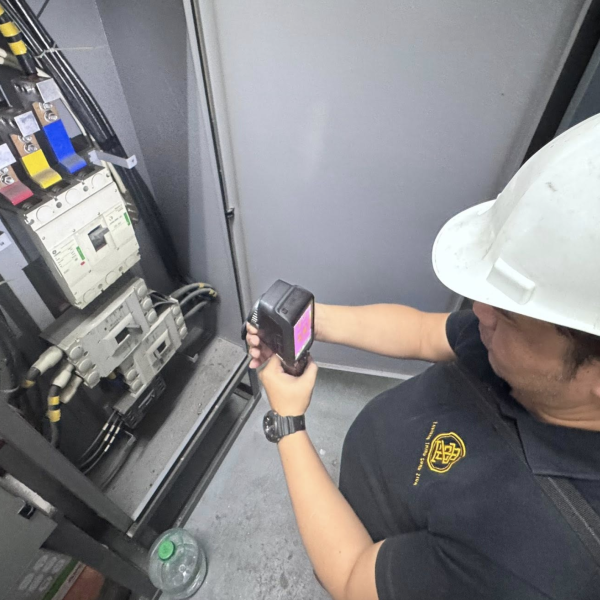
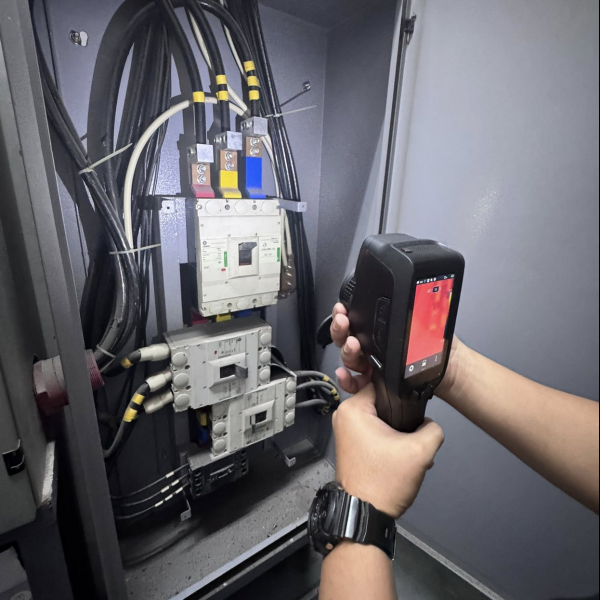
Electrical system inspection
Equipment efficiency assessment
Power quality and load evaluation
Energy saving opportunity identification
Cost-benefit and ROI analysis
DOE-compliant audit reporting
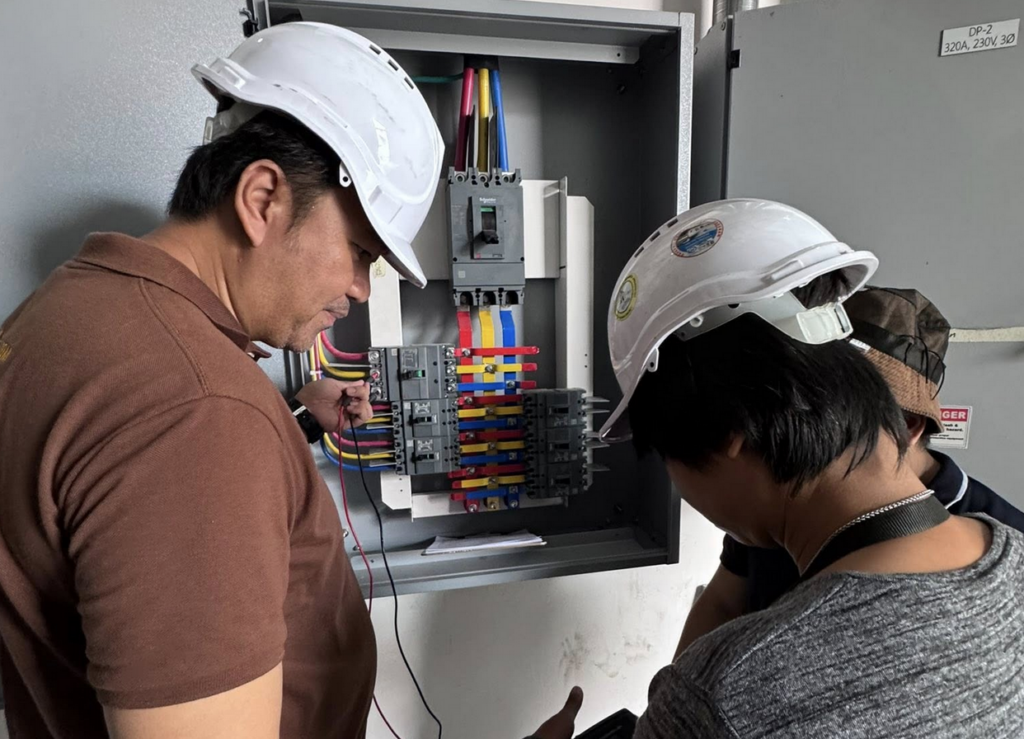
Common Findings in Certified Energy Audits
Based on real-world audits, common issues include:
Inefficient lighting systems
Underutilized or oversized motors
Poor power factor
Electrical losses due to loose connections
Lack of preventive maintenance
Outdated equipment
Many of these issues can be corrected with minimal investment.
Benefits of a Certified Energy Audit for Philippine Businesses
Reduced electricity costs
Improved operational efficiency
Better equipment performance
Compliance with DOE requirements
Lower carbon footprint
Improved safety and reliability
Informed investment decisions
Long-term cost control
Energy audits turn energy from a fixed expense into a manageable resource.
Certified Energy Audit vs Regular Energy Review
Regular Review
General observations
No certification
Limited technical depth
Certified Energy Audit
Engineering-based analysis
DOE-compliant methodology
Actionable and measurable results
Certification ensures credibility and effectiveness.
How Certified Energy Audits Support Electrical PMS
Energy efficiency and reliability go hand in hand.
When combined with Electrical Preventive Maintenance (PMS):
Energy losses are reduced
Electrical failures decrease
Equipment lifespan increases
Maintenance becomes predictive
ETCZ Corp integrates energy audits with PMS for maximum value.
Can a Certified Energy Audit Be Done Without Disrupting Operations?
Yes.
Most audits are conducted:
During normal operations
With minimal or no downtime
Using non-invasive measurement tools
Any required shutdowns are planned and coordinated to minimize impact.
Why Choose ETCZ Corp for Certified Energy Audits
ETCZ Corp provides:
Certified and experienced energy auditors
Licensed electrical engineers
Industrial and commercial expertise
DOE-aligned audit methodologies
Clear, practical recommendations
We focus on real savings, not just reports.
What’s Included in ETCZ Corp Certified Energy Audit Services
Energy consumption analysis
Electrical system evaluation
Equipment efficiency assessment
Load and power quality review
Energy saving opportunity identification
Financial and ROI analysis
Detailed audit reporting
Who Should Schedule a Certified Energy Audit Now?
Facilities with rising electricity costs
Expanding factories and plants
Aging electrical infrastructure
High-load commercial buildings
Businesses preparing for DOE inspection
If your facility is large, an audit is no longer optional.
Energy Audit Frequently Asked Questions
Yes, under DOE energy efficiency regulations.
Typically every three years or after major system changes.
Non-compliance may result in penalties and increased operational risks.
Yes, many quick-win recommendations deliver fast savings.
Only qualified and certified energy auditors.
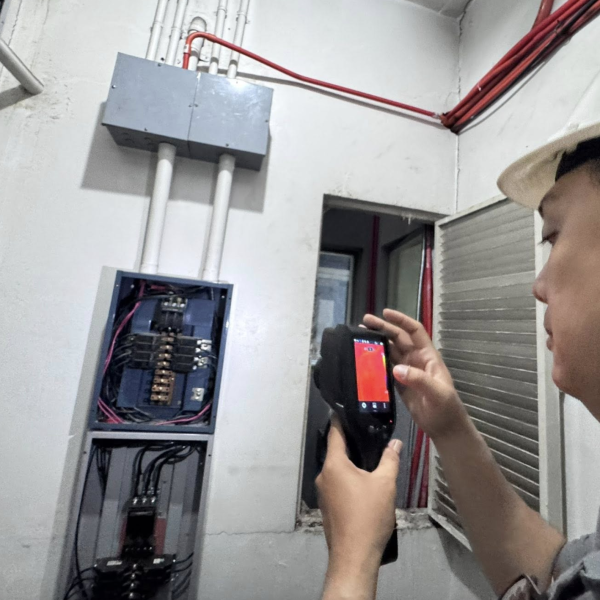
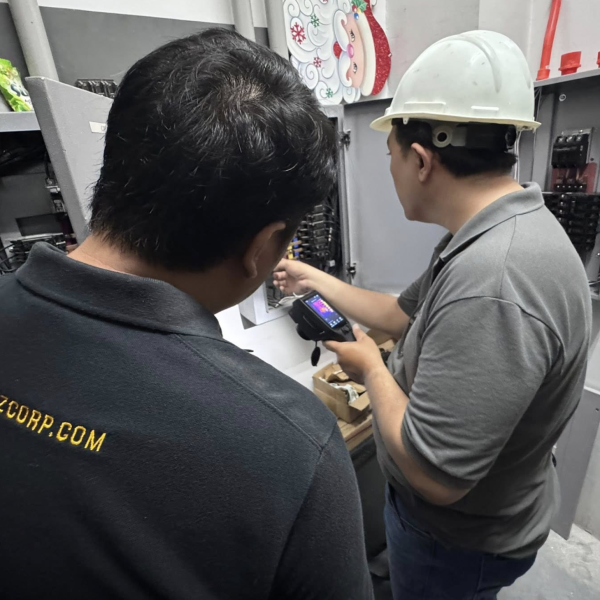
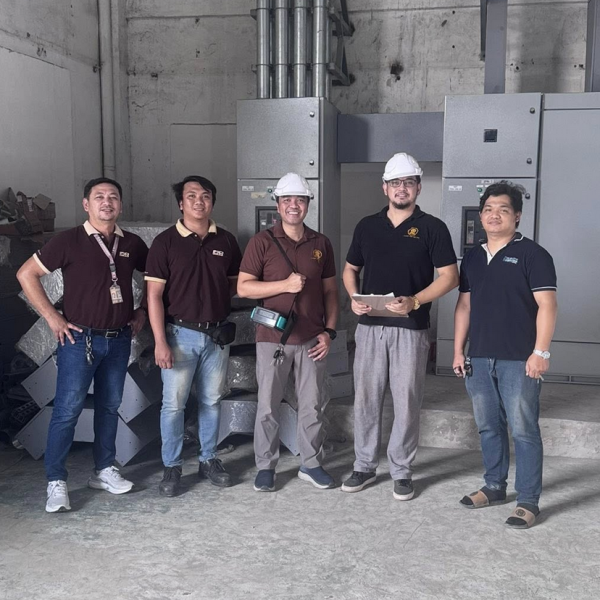
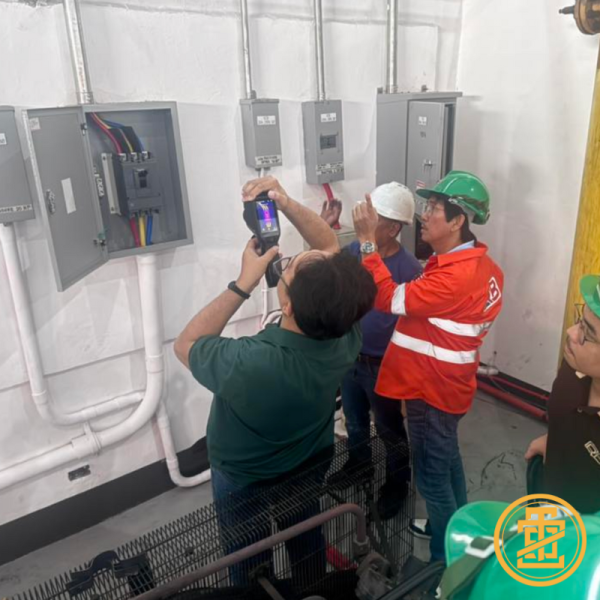
Gallery

Your Partner for Electrical Success
Whether you are looking to design a new system, optimize an existing one, or address specific challenges, ETCZ Corp’s electrical engineering services are your trusted solution. From initial planning to final implementation, we work closely with you to deliver efficient, reliable, and cost-effective results.

ETCZ Corp
Schedule Your Certified Energy Audit Today
If your facility requires a certified energy audit in the Philippines, work with professionals who understand both engineering and compliance. 👉 Book a FREE initial consultation with ETCZ Corp today. Our certified engineers will help you meet DOE requirements, reduce energy costs, and strengthen your electrical systems.

Call Now 09778411839
Have any queries?
We're here to help.
- #52 M.L Quezon St. Villa Ligaya Subdivision Barangay Dela Paz, Antipolo City
- 09778411839
- [email protected]