

Main Distribution Panel (MDP) vs Subpanel: What’s the Difference?
Main Distribution Panel (MDP) vs Subpanel: What’s the Difference?
In industrial and commercial facilities, electrical reliability starts with proper power distribution design. One of the most common—and most misunderstood—topics I encounter after 30 years in the field is the difference between a Main Distribution Panel (MDP) and a Subpanel.
Many facilities suffer from nuisance tripping, overheating, or difficult maintenance simply because MDPs and subpanels were misapplied or poorly planned.
This guide explains the real-world difference between an MDP and a subpanel, when to use each, and how the correct setup protects your operations, people, and equipment.
👉 Choosing the wrong type of electrical panel board can compromise production, safety, and long-term reliability.
This guide explains the different types of electrical panel boards used in industrial facilities, how each functions, and how to select the right one based on load demand, process requirements, and future expansion.
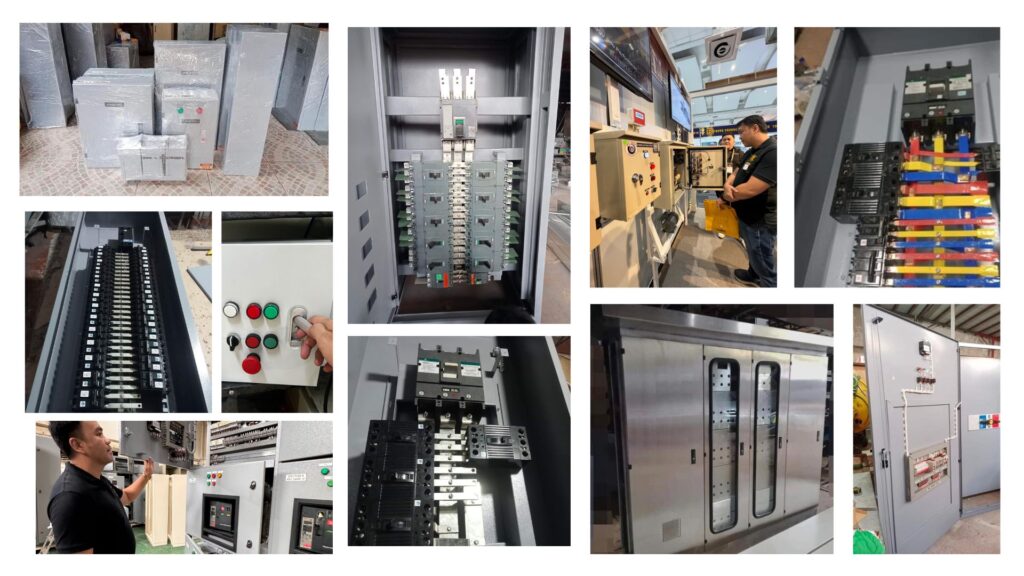
What Is a Main Distribution Panel (MDP)?
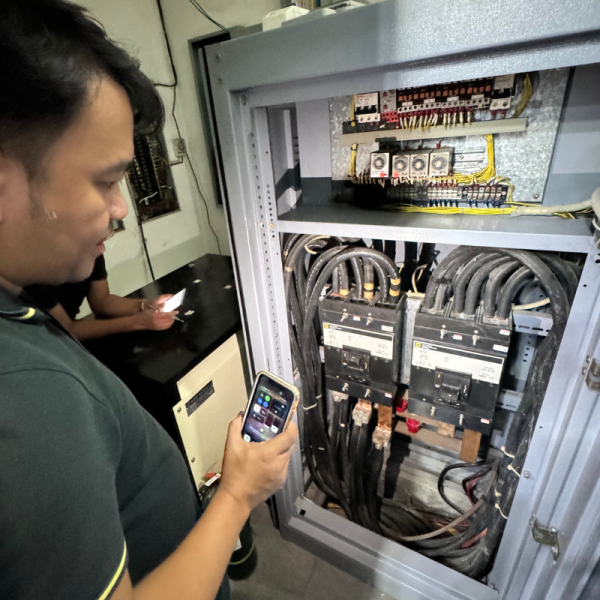
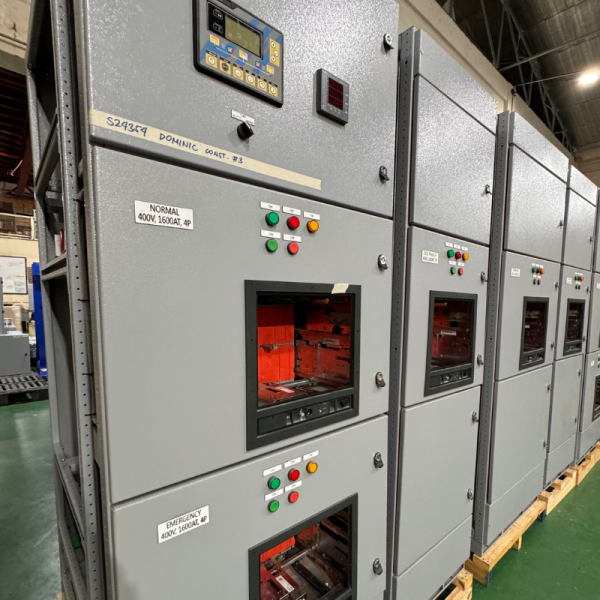
A Main Distribution Panel (MDP) is the primary electrical panel in a facility. It is the first point of power distribution after the electrical supply source.
Where Power Comes From
An MDP typically receives power from:
Utility company service
Step-down transformer
Generator system (main tie-in)
From there, it distributes power to:
Sub distribution panels
Large equipment
Motor control centers (MCCs)
Think of the MDP as the command center of your electrical system.
Key Characteristics of an MDP
Handles the highest current rating in the facility
Contains the main circuit breaker
Designed for heavy industrial loads
Provides system-wide protection
Requires strict compliance with electrical codes
A failure at the MDP level usually means total facility shutdown.
What Is an Electrical Subpanel?
A subpanel (also called a Sub Distribution Panel or SDP) receives power from the MDP and redistributes it to:
Specific production areas
Individual floors
Equipment clusters
Lighting or power zones
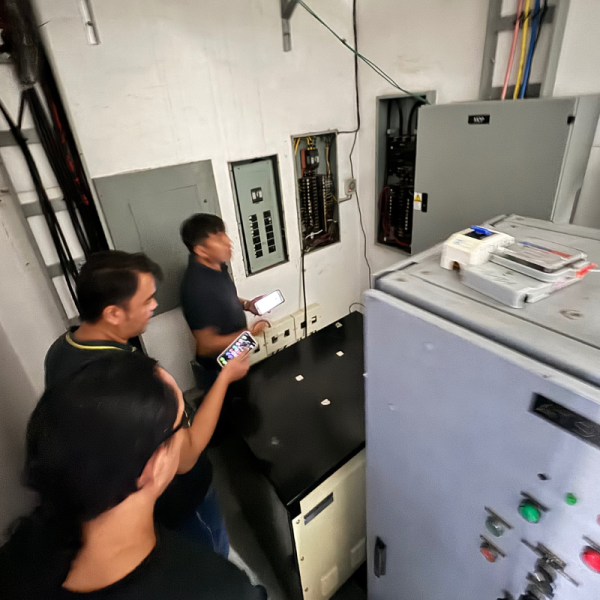
Subpanels act as secondary control points, allowing localized protection and isolation.
Key Characteristics of a Subpanel
Fed by the MDP
Lower current rating than the MDP
Protects specific circuits or areas
Improves system organization
Simplifies maintenance and troubleshooting
In large facilities, subpanels are not optional—they are essential.
MDP vs Subpanel: Core Differences Explained
Power Source
MDP: Receives power directly from utility or transformer
Subpanel: Receives power from the MDP
Electrical Load
MDP: Handles total facility load
Subpanel: Handles localized or sectional loads
Protection Role
MDP: Primary overcurrent and fault protection
Subpanel: Secondary, zone-based protection
System Impact
MDP Failure: Entire facility affected
Subpanel Failure: Limited to a specific area
Why Industrial Facilities Need Both MDPs and Subpanels
In real-world industrial operations, a single panel is never enough.
Using both allows:
Better load balancing
Improved safety isolation
Faster fault identification
Reduced downtime
Easier system expansion
Facilities that rely solely on an oversized MDP often experience complex wiring, overheating, and operational risks.
MDP and Subpanel Layout in Manufacturing Plants
A best-practice layout typically looks like this:
Utility / Transformer
Main Distribution Panel (MDP)
Multiple Subpanels
Final loads (machines, lighting, outlets)
This hierarchy ensures order, protection, and scalability.
Common Mistakes in MDP and Subpanel Design
Based on decades of audits and corrective works, the most common issues include:
Oversized subpanels with undersized feeders
No clear separation of lighting and power loads
Improper breaker coordination
Poor labeling and documentation
Lack of allowance for future expansion
These mistakes lead to frequent tripping, overheating, and safety violations.
MDP vs Subpanel in Preventive Maintenance (PMS)
Both panels require maintenance—but at different levels of priority.
MDP Maintenance Focus
Load monitoring
Thermal scanning
Main breaker inspection
Torque checking
Subpanel Maintenance Focus
Circuit balancing
Connection tightening
Cleaning and labeling
Zone-specific thermography
Electrical Thermography for MDPs and Subpanels
Thermography is critical for both panels but especially for:
High-current MDP busbars
Heavily loaded subpanel breakers
Hot spots
Loose terminations
Overloaded circuits
Which One Is More Important: MDP or Subpanel?
From an engineering perspective:
The MDP is critical for system integrity
Subpanels are critical for operational efficiency
A well-designed facility treats them as partners, not alternatives.
When to Upgrade Your MDP or Add Subpanels
You should consider upgrades if:
You experience frequent breaker trips
New machinery is added
Electrical loads are unbalanced
Panels are overheating
Expansion is planned
Ignoring these signs risks equipment damage and production downtime.
Industries That Rely Heavily on MDP–Subpanel Systems
Manufacturing and processing plants
Electronics and semiconductor facilities
Food and beverage factories
Logistics and warehousing hubs
PEZA-registered industrial zones
Each depends on proper panel hierarchy to sustain operations.
Frequently Asked Questions
An MDP receives power from the utility or transformer, while a subpanel receives power from the MDP.
Small facilities may, but industrial plants require subpanels for safety and efficiency.
Yes. Subpanels are smaller and designed for localized loads.
It is not recommended in industrial facilities.
Licensed industrial electrical contractors with engineering expertise.




ETCZ CORP
Types of Panel Boards We Offer

ETCZ CORP
Industries We Serve
Manufacturing & Industrial Plants
Commercial Buildings & Shopping Malls
Hospitals & Healthcare Facilities
Data Centers & IT Infrastructure
Residential & Real Estate Developments
Lighting and Power Panel Boards
Ideal for commercial and industrial applications, our lighting and power panel boards ensure safe and efficient distribution of electrical power.
Motor Control Panel Boards
Designed for controlling and protecting electric motors, our motor control panel boards help optimize energy usage and prevent equipment failures.
Distribution Panel Boards
Our distribution panel boards provide seamless power allocation to various circuits, ensuring even load distribution and minimizing electrical faults.
Custom Panel Boards
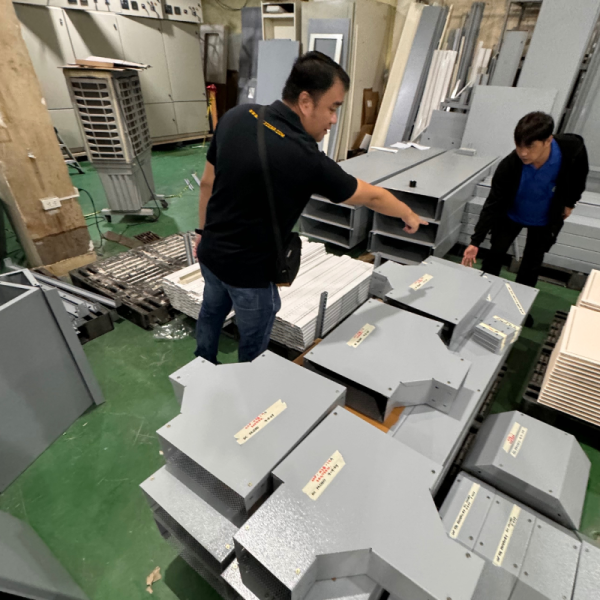
We design and build custom panel boards to fit specific project requirements, whether for factories, hospitals, malls, or residential buildings.
Get a Free Consultation Today!
we recognize the critical role that well-designed panel boards play in ensuring the safety, efficiency, and reliability of your electrical systems. As part of our commitment to empowering our clients with top-tier solutions, we are excited to offer a complimentary consultation with our certified electrical engineer.
Gallery
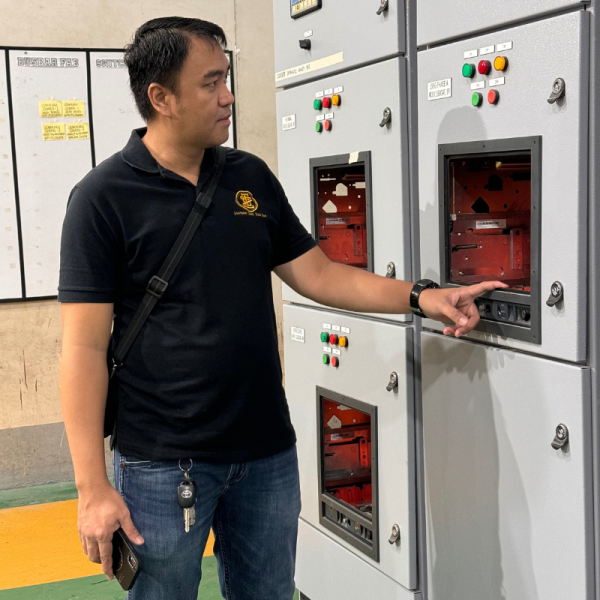
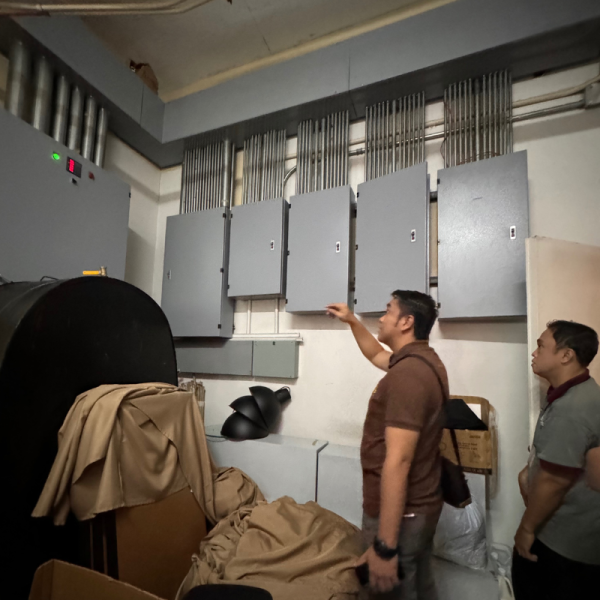
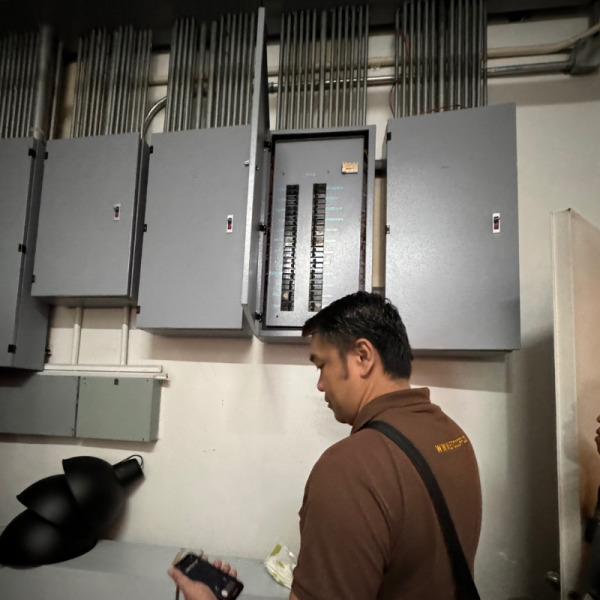
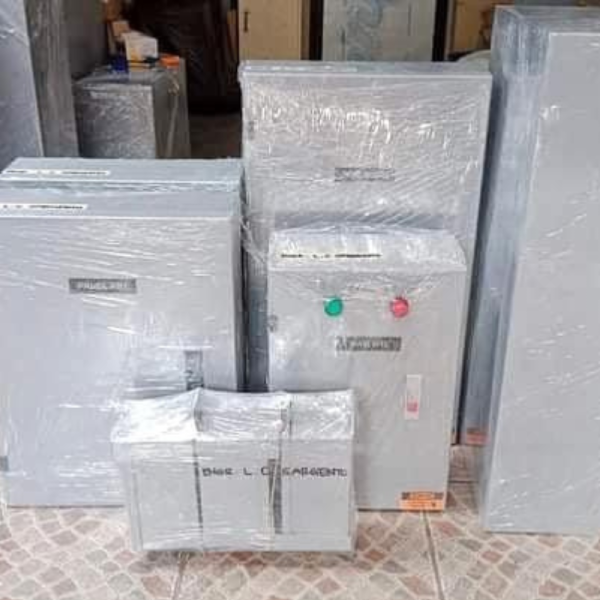
Your Partner for Electrical Success
Whether you are looking to design a new system, optimize an existing one, or address specific challenges, ETCZ Corp\u2019s electrical engineering services are your trusted solution. From initial planning to final implementation, we work closely with you to deliver efficient, reliable, and cost-effective results.

Expertise You Can Trust:
Backed by a team of seasoned professionals, we bring decades of collective experience to the table. Our electrical engineers are not only proficient in their craft but also passionate about delivering excellence in every project we undertake.

Comprehensive Services
Whether you’re in need of design consultation, project management, installation, or maintenance services, ETCZ Corp offers a comprehensive suite of solutions to meet your requirements. We work closely with our clients at every stage of the project, from conceptualization to completion, ensuring seamless execution and optimal outcomes.

Quality Assurance
Quality and safety are paramount in the work we do. At ETCZ Corp, we adhere to the highest standards of quality assurance, employing rigorous testing and inspection protocols to ensure that every project meets regulatory requirements and industry standards. Our dedication to quality is evident in the reliability and durability of our solution

Client-Centric Approach:
At ETCZ Corp, we prioritize our clients’ needs above all else. We take the time to understand their unique challenges, goals, and constraints, tailoring our services to deliver solutions that address their specific requirements. Our client-centric approach fosters long-lasting partnerships built on trust, transparency, and mutual success
Have any queries?
We're here to help.
- #52 M.L Quezon St. Villa Ligaya Subdivision Barangay Dela Paz, Antipolo City
- 09778411839
- [email protected]