

Top 10 Warning Signs Found During Electrical Thermography Inspections
Top 10 Warning Signs Found During Electrical Thermography Inspections
Most electrical failures don’t happen without warning. Long before a breaker trips, equipment shuts down, or a fire starts, electrical systems usually give off clear signals — the problem is that these signals are often invisible to the naked eye.
This is why electrical hot spots detection through thermography has become a critical part of modern electrical maintenance.
Using infrared technology, electrical thermography inspections reveal loose electrical connection symptoms and other electrical overheating signs that would otherwise go unnoticed until damage is already done.
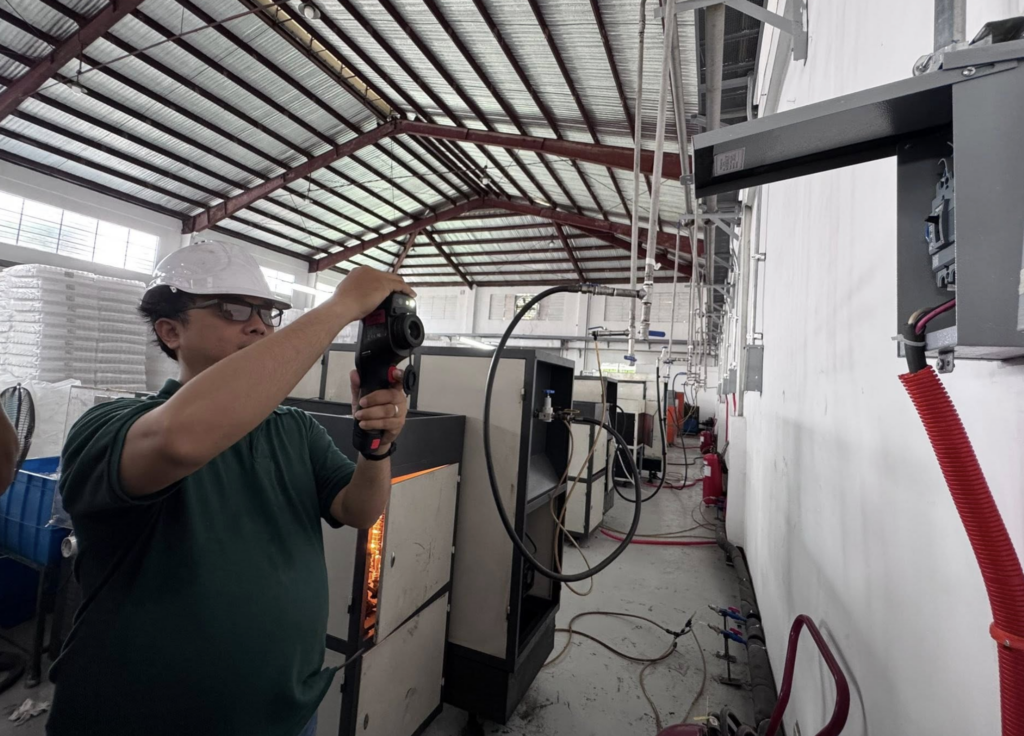
At ETCZ Corp, we’ve performed thermography inspections across factories, commercial buildings, and industrial facilities in the Philippines — and the same warning signs appear again and again.
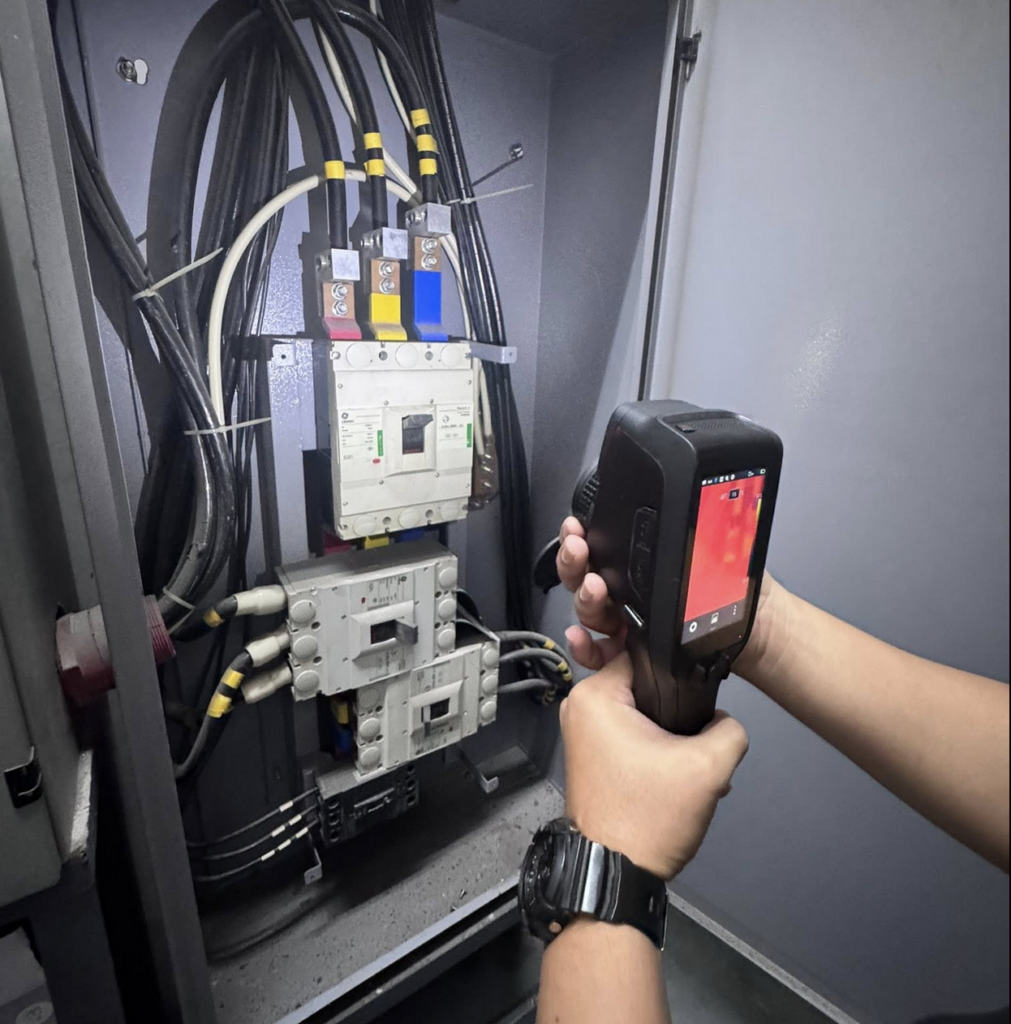
Why Electrical Hot Spots Detection Matters
Heat is the enemy of electrical systems.
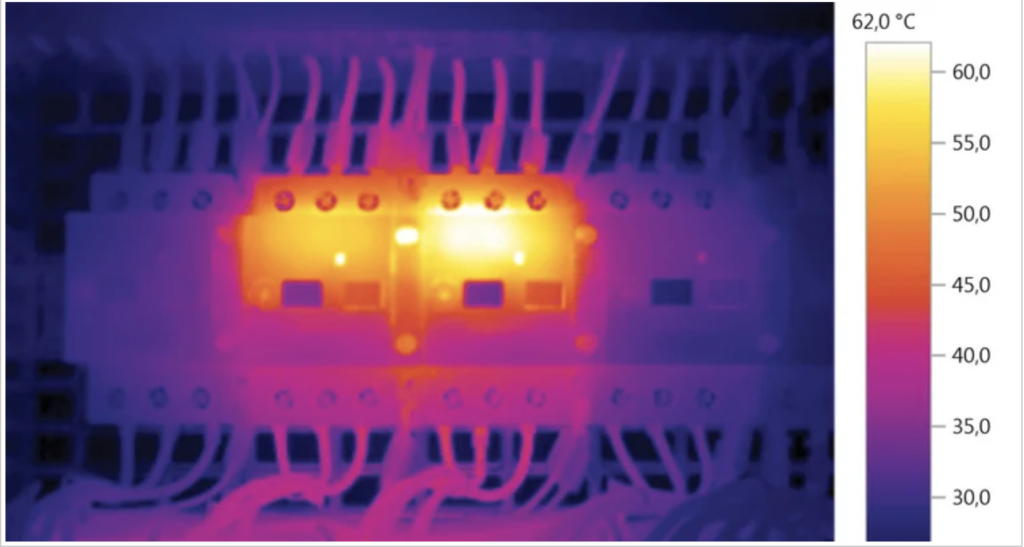
When resistance increases due to wear, looseness, corrosion, or overload, temperature rises. These temperature increases — known as electrical hot spots — are early indicators of failure.
Early electrical hot spots detection helps facilities:
Prevent electrical fires
Avoid unexpected downtime
Extend equipment lifespan
Improve electrical safety compliance
Thermography allows these risks to be identified while systems are energized, making it one of the most effective predictive maintenance tools available today.
How Electrical Thermography Inspections Work
Electrical thermography inspections use infrared cameras to detect temperature differences in:
Panel boards
Switchgear
MCCs
Transformers
Cable terminations
Because inspections are performed under normal operating load, abnormal heat patterns immediately stand out — pointing directly to developing issues and electrical overheating signs.
Top 10 Warning Signs Found During Electrical Thermography Inspections
1. Loose Electrical Connections
Loose electrical connections are one of the most common findings during thermography inspections.
Loose electrical connection symptoms include:
Localized hot spots at terminals
Uneven heating between similar connections
Progressive temperature increase over time
These conditions increase resistance and can quickly lead to arcing, equipment damage, or fire if not corrected.
2. Overloaded Circuits
When circuits carry more load than they were designed for, excess heat builds up.
Electrical overheating signs of overloaded circuits include:
Elevated temperatures along conductors
Hot breakers compared to adjacent units
Disproportionate heating on one phase
Thermography helps confirm overload conditions without disconnecting power.
3. Phase Imbalance
In three-phase systems, unequal load distribution creates overheating.
Common thermographic indicators:
One phase significantly hotter than others
Uneven busbar temperatures
Abnormal heating at transformer connections
Phase imbalance shortens equipment life and increases energy losses.
4. Deteriorated or Corroded Connections
Humidity, contamination, and age cause connections to corrode, increasing resistance.
Electrical hot spots detection often reveals:
Hot cable lugs
Heated breaker terminals
Abnormal heating at bolted joints
These issues are rarely visible during standard inspections but show clearly on thermal scans.
5. Failing Circuit Breakers
Breakers can fail internally without obvious external signs.
Thermography identifies:
Overheating breaker bodies
Hot internal contacts
Temperature rise under normal load
Early detection prevents nuisance tripping and catastrophic breaker failure.
6. Overheated Busbars
Busbars distribute large amounts of power and must maintain solid connections.
Warning signs include:
Localized hot sections
Uneven temperature along the busbar
Hot joints or splice points
Overheated busbars pose serious fire risks, especially in high-current applications.
7. Undersized Conductors
Conductors that are too small for their load overheat continuously.
Thermal indicators:
Uniform heating along cable length
Higher temperatures compared to adjacent conductors
Progressive temperature rise during operation
This condition often goes unnoticed until insulation damage occurs.
8. Defective Contactors and Relays
Mechanical wear causes poor contact pressure over time.
Thermography detects:
Hot contacts during operation
Uneven heating between poles
Temperature spikes during load changes
Failing contactors can lead to unexpected shutdowns and equipment damage.
9. Transformer Connection Hot Spots
Transformers are critical assets and highly sensitive to overheating.
Electrical thermography commonly reveals:
Hot primary or secondary connections
Uneven phase temperatures
Overheating at bushing terminations
Early correction helps prevent costly transformer failures.
10. Abnormal Heating After Electrical Modifications
After upgrades or expansions, new hot spots often appear.
Common causes:
Improper torque during installation
Poor termination practices
Load increases beyond design limits
Thermography confirms whether newly modified systems are operating safely.
Why Visual Inspections Alone Are Not Enough
Visual inspections cannot detect internal resistance or hidden heating.
Electrical thermography provides:
Real-time temperature measurement
Non-contact inspection
Accurate fault localization
Live system evaluation
This makes it far superior for identifying electrical overheating signs before failures occur.
Electrical Thermography as a Preventive Maintenance Tool
Thermography is most effective when used as part of a preventive maintenance program.
Benefits include:
Reduced emergency repairs
Planned corrective actions
Improved safety
Lower maintenance costs
At ETCZ Corp, thermography results are integrated into maintenance planning for maximum impact.
How Often Should Thermography Be Performed?
Recommended inspection intervals:
Industrial facilities: Annually or semi-annually
High-load systems: Quarterly
After major electrical work: Immediately
Critical operations: More frequent monitoring
Regular inspections improve trend analysis and risk prediction.
Standards and Best Practices
Professional thermography inspections follow:
Philippine Electrical Code (PEC)
NFPA 70B
ISO thermography standards
Electrical safety best practices
Compliance ensures reliable and actionable inspection results.
Why Choose ETCZ Corp for Electrical Thermography Inspections
ETCZ Corp delivers:
Certified electrical engineers
Experienced thermography specialists
Advanced infrared equipment
Detailed and easy-to-understand reports
Practical, engineer-recommended solutions
We don’t just detect problems — we help you prevent them.
What’s Included in an ETCZ Thermography Inspection
Electrical hot spots detection
Identification of loose electrical connection symptoms
Severity-based risk classification
Infrared and visual documentation
Engineering analysis and recommendations
Who Should Schedule Electrical Thermography Inspections?
Manufacturing plants
Commercial buildings
Data centers
Hospitals
High-load electrical facilities
If safety, uptime, and reliability matter, thermography is essential.
The Cost of Ignoring Electrical Overheating Signs
Ignoring early warning signs leads to:
Electrical fires
Equipment damage
Costly downtime
Safety risks
Insurance complications
Thermography allows corrective action before damage occurs.
Who Should Schedule Electrical Thermography Inspections?
Manufacturing plants
Commercial buildings
Data centers
Hospitals
High-load electrical facilities
If safety, uptime, and reliability matter, thermography is essential.
The Cost of Ignoring Electrical Overheating Signs
Ignoring early warning signs leads to:
Electrical fires
Equipment damage
Costly downtime
Safety risks
Insurance complications
Thermography allows corrective action before damage occurs.
Thermography Frequently Asked Questions (FAQ)
Not all, but rising temperatures usually indicate developing problems that require evaluation.
Yes. Loose connections are one of the easiest faults to detect thermally.
No. It complements other tests by detecting heat-related issues.
Critical hot spots should be addressed immediately to prevent failure.
Clients




ETCZ Corp
Schedule Your Thermography Inspection
f you need professional electrical thermography inspections in the Philippines, trust ETCZ Corp. Our certified engineers are ready to help you identify risks before they become failures.
👉 Book your FREE initial consultation today.
Call Now 09778411839
ETCZ Corp – Delivering safer, smarter, and more reliable electrical systems.
Gallery


"We are thankful for the excellent service provided by ETCZ Corp. Their distribution transformers have enhanced the efficiency of our power network."
Your Partner for Electrical Success
Whether you are looking to design a new system, optimize an existing one, or address specific challenges, ETCZ Corp\u2019s electrical engineering services are your trusted solution. From initial planning to final implementation, we work closely with you to deliver efficient, reliable, and cost-effective results.
Expertise You Can Trust:
Backed by a team of seasoned professionals, we bring decades of collective experience to the table. Our electrical engineers are not only proficient in their craft but also passionate about delivering excellence in every project we undertake.

Comprehensive Services
Whether you’re in need of design consultation, project management, installation, or maintenance services, ETCZ Corp offers a comprehensive suite of solutions to meet your requirements. We work closely with our clients at every stage of the project, from conceptualization to completion, ensuring seamless execution and optimal outcomes.

Quality Assurance
Quality and safety are paramount in the work we do. At ETCZ Corp, we adhere to the highest standards of quality assurance, employing rigorous testing and inspection protocols to ensure that every project meets regulatory requirements and industry standards. Our dedication to quality is evident in the reliability and durability of our solution

Client-Centric Approach:
At ETCZ Corp, we prioritize our clients’ needs above all else. We take the time to understand their unique challenges, goals, and constraints, tailoring our services to deliver solutions that address their specific requirements. Our client-centric approach fosters long-lasting partnerships built on trust, transparency, and mutual success
Have any queries?
We're here to help.
- #52 M.L Quezon St. Villa Ligaya Subdivision Barangay Dela Paz, Antipolo City
- 09778411839
- [email protected]