

The Complete Guide to Electrical Thermography in the Philippines
The Danger You Cannot See
In 2020, a garment factory in Cavite experienced a catastrophic electrical fire that destroyed three production floors and displaced over 400 workers. The cause, determined by investigators weeks later: a loose terminal connection inside a main distribution panel that had been running at over 110°C for months — undetected, invisible to any standard inspection.
The fire was preventable. The technology to detect it exists. And it costs a fraction of what the factory lost that day.
That technology is electrical thermography — and if you own, manage, or operate any industrial facility, commercial building, or manufacturing plant in the Philippines, this guide is the most important thing you will read this year.
ETCZ Corp has been providing certified electrical thermography services across Luzon since our founding in Antipolo City, Rizal. We have conducted hundreds of inspections — in factories, hospitals, malls, warehouses, and industrial parks. And we have seen firsthand what happens when thermal anomalies go undetected.
This guide will give you everything you need to know about electrical thermography in the Philippines: what it is, how it works, what it finds, who needs it, how often you need it, what a proper report looks like, and how to choose the right provider.
What Is Electrical Thermography?
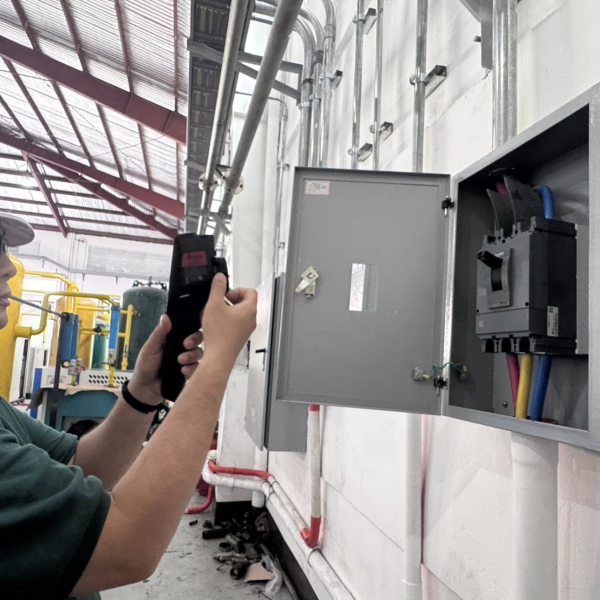
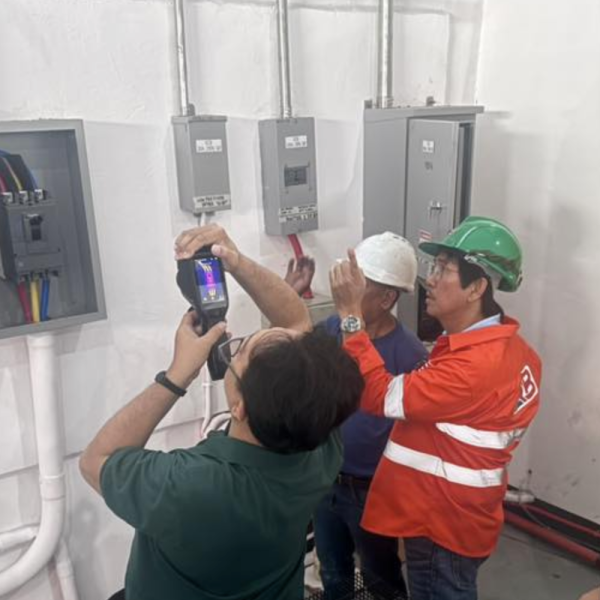
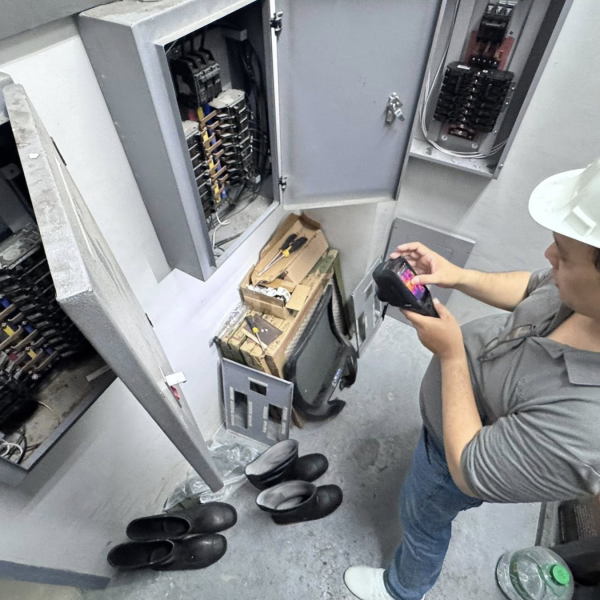
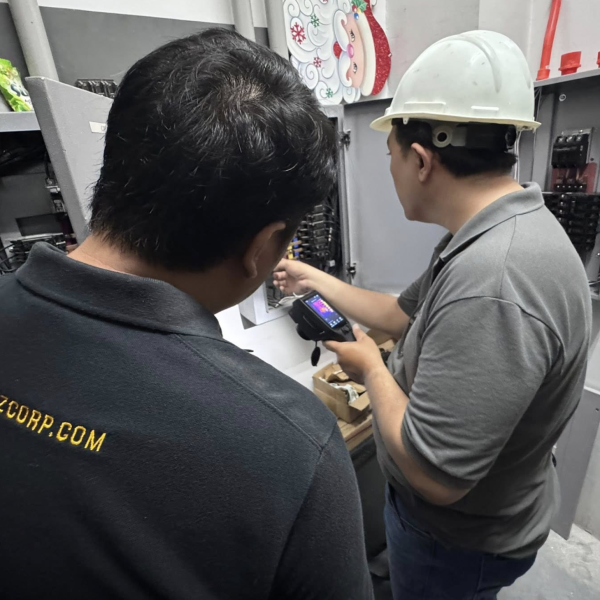
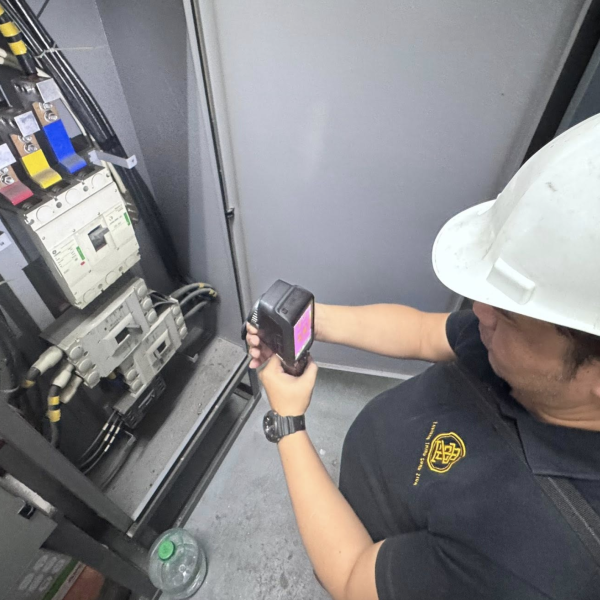
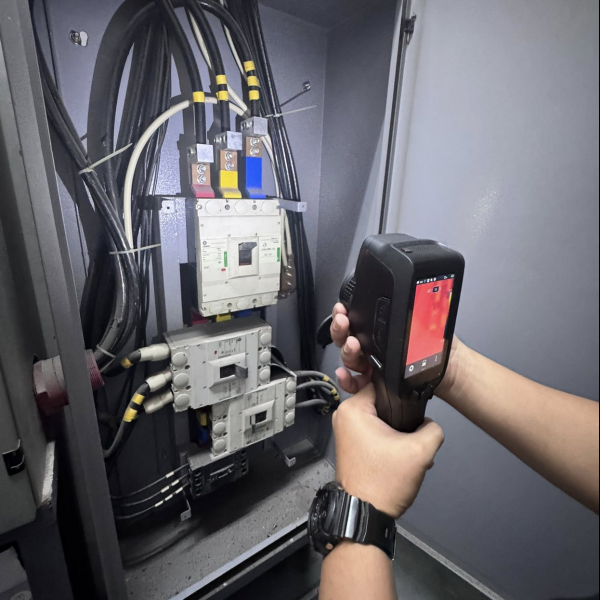
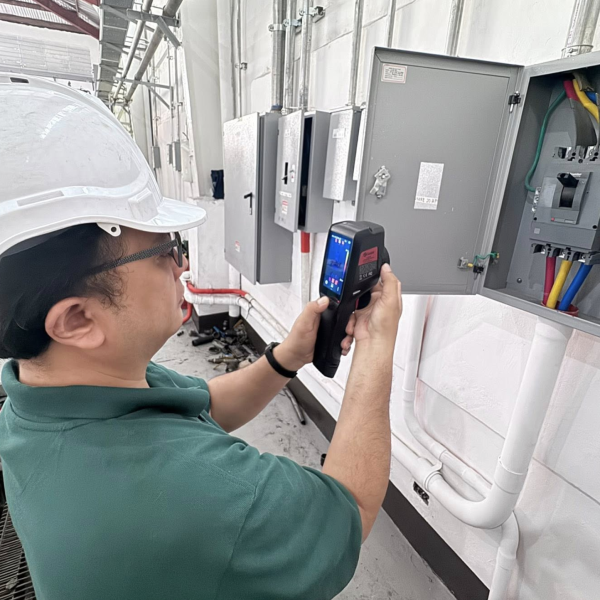
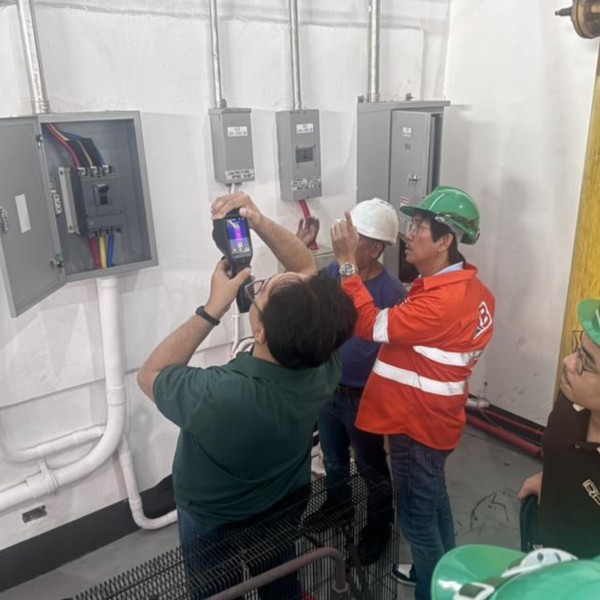
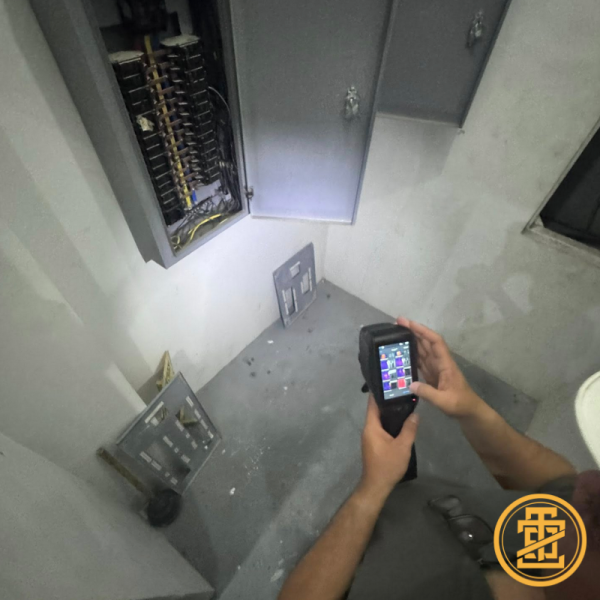
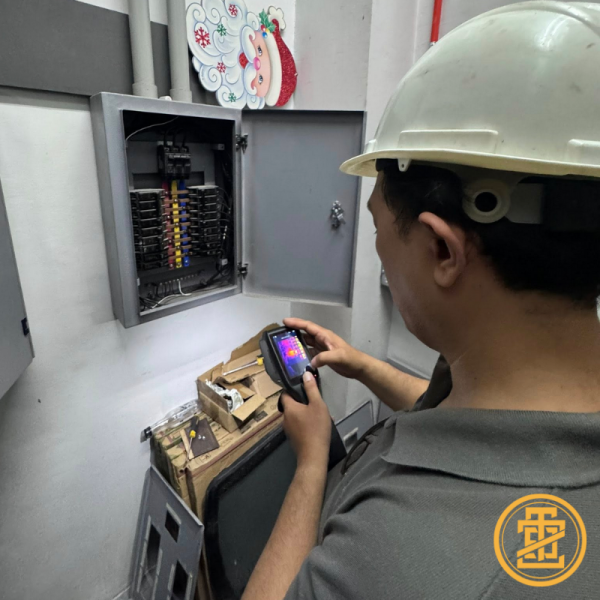
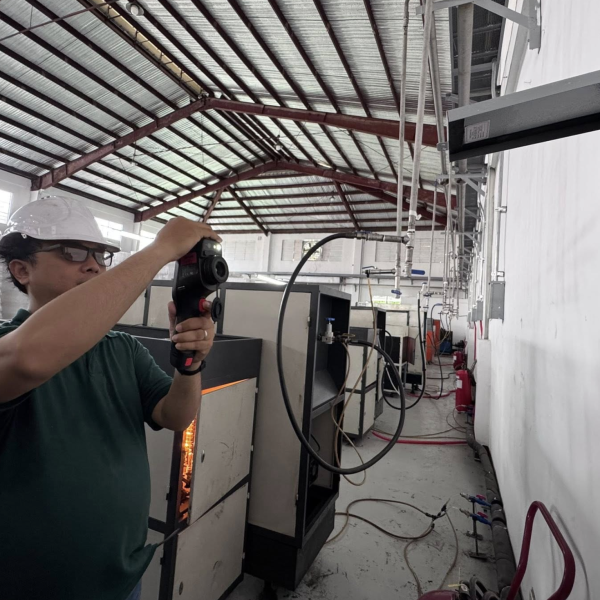
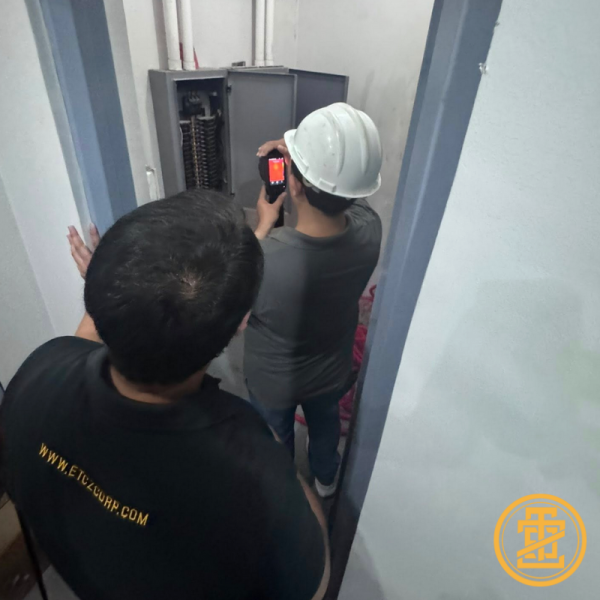
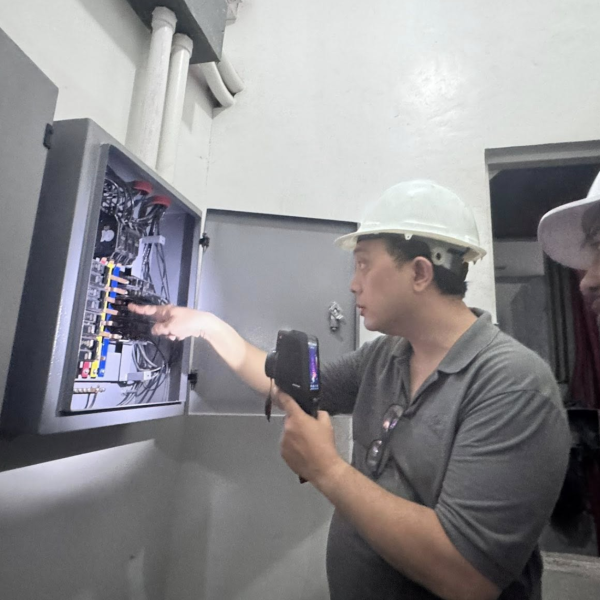
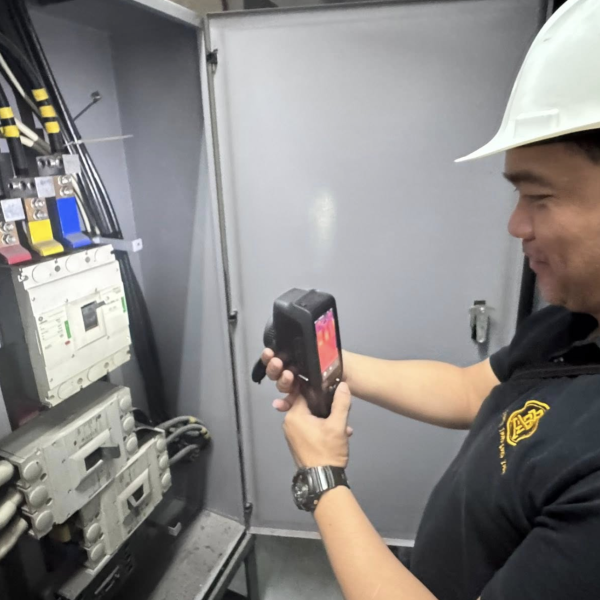
Electrical thermography — also called infrared thermography, thermal scanning, or thermographic inspection — is a diagnostic technique that uses infrared cameras to detect temperature variations in electrical systems. These temperature variations reveal developing faults that are completely invisible to the naked eye.
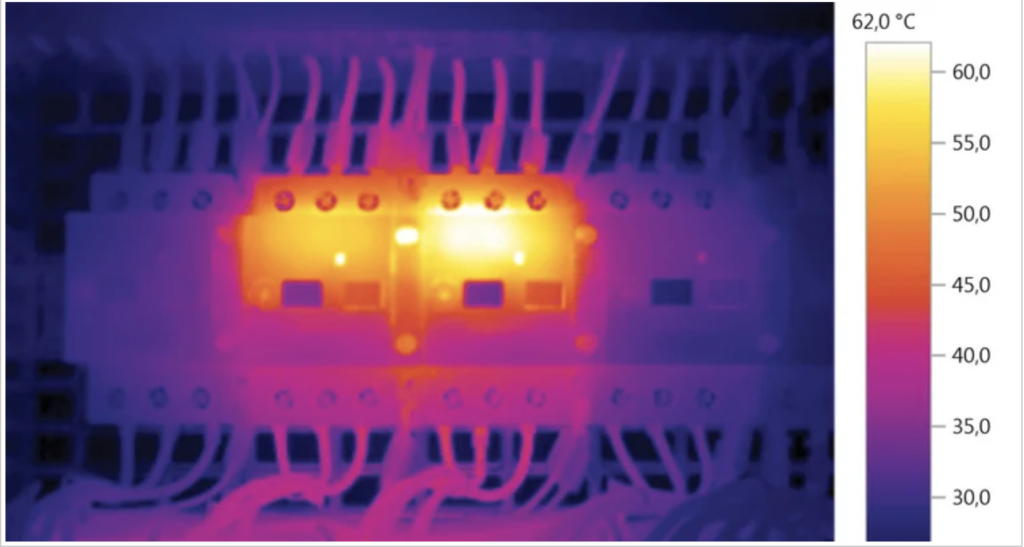
The scientific principle behind it is straightforward: every electrical component with increased resistance generates excess heat. A loose connection, an overloaded circuit, a failing breaker — all of them run hotter than they should. An infrared camera captures this heat signature as a thermal image, allowing a trained thermographer to identify the problem, assess its severity, and recommend corrective action.
What makes electrical thermography particularly powerful is what it does not require: it does not require turning off your power, stopping your production, or touching any component. Inspections are performed on live, fully operational systems — making it the most practical and least disruptive diagnostic tool available.
How Infrared Cameras Work
Infrared cameras detect electromagnetic radiation in the infrared spectrum — the portion of the electromagnetic spectrum between visible light and microwave radiation. Every object above absolute zero emits infrared radiation. The amount of radiation is directly proportional to the object’s temperature.
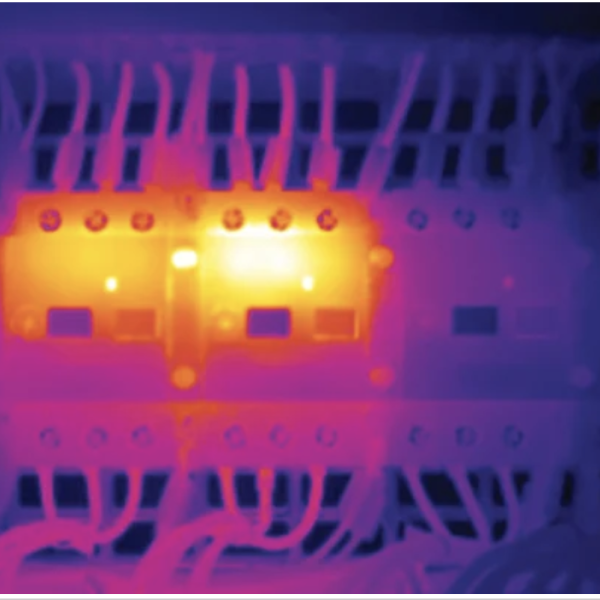
When pointed at an electrical panel or switchboard, a thermal camera produces a thermogram — a false-color image where different temperatures are represented by different colors. In the most common palette, cool objects appear blue and purple, while hot objects appear yellow, orange, and red. A hotspot in an electrical system — say, an overloaded circuit or a corroded connection — stands out immediately as a bright area of red or white against the cooler components around it.
Professional-grade thermal cameras used in industrial inspections measure temperature differences as small as 0.05°C — a sensitivity that no human hand, no visual inspection, and no standard thermometer can match.
Electrical Thermography vs. Standard Electrical Inspection
A standard visual and physical electrical inspection — the kind performed during routine maintenance — can identify obvious problems: visibly damaged insulation, clearly burned components, loose wires that can be felt by hand. It is valuable and necessary.
But it has a critical limitation: it only finds what can be seen and touched. The majority of developing electrical failures are internal. They happen inside connections, behind terminals, within insulation — invisible to any examination that doesn’t use thermal imaging.
Studies in industrial maintenance management consistently show that thermography identifies hazardous conditions 6 to 18 months before they cause equipment failure. A standard inspection would find nothing during that same period.
Why Electrical Thermography Matters for Philippine Businesses
The Philippines presents a specific set of conditions that make electrical thermography not just advisable, but essential for any serious facility:
- Tropical climate: Heat and humidity accelerate insulation degradation, corrosion at terminals, and moisture intrusion into electrical enclosures — all of which create thermal anomalies detectable by infrared scanning.
- Aging infrastructure: Many industrial and commercial buildings in the Philippines have electrical systems that were installed 10, 15, or 20 years ago and have never been comprehensively inspected. Aging connections and outdated equipment are among the most common sources of thermographic findings.
- Expansion and overloading: As businesses grow, additional equipment and machinery are connected to electrical systems that were not designed for the increased load. Overloaded circuits are one of the most dangerous — and most common — findings in thermography inspections of Philippine industrial facilities.
- Regulatory environment: The Philippine Electrical Code (PEC) and DOLE’s Occupational Safety and Health standards increasingly require documented evidence of electrical system maintenance for DOLE audits, insurance renewal, and BFP (Bureau of Fire Protection) compliance inspections.
- Insurance requirements: Insurance companies in the Philippines are increasingly requiring thermography inspection reports as a condition of industrial and commercial property insurance — particularly for manufacturing facilities, warehouses, and large commercial buildings.
What Electrical Thermography Finds: The 10 Most Common Findings in Philippine Facilities
After hundreds of thermography inspections across Luzon, the ETCZ Corp team consistently encounters the same categories of problems. Understanding what thermography finds helps you understand why it is so critical.
1. Overheating Electrical Connections
Loose, corroded, or improperly torqued connections are the single most common thermographic finding in Philippine industrial facilities. Over time, vibration, thermal cycling (the repeated heating and cooling of daily operations), and corrosion cause connections to loosen or degrade. The resulting increased resistance generates heat — sometimes reaching temperatures well above 100°C at the connection point.
A connection running at 94°C — as our team found in a food processing plant in Laguna during a recent inspection — is a fire hazard. At that temperature, surrounding insulation begins to char. Within weeks or months, it will fail. Left unaddressed, it will fail catastrophically.
2. Overloaded Circuit Breakers and Distribution Panels
When circuits carry more current than they were designed for, the conductors and associated components heat up. Thermal scanning reveals overloaded circuits as uniformly elevated temperatures across the circuit breaker, the conductors leaving it, and the connecting terminals. This is especially common in facilities where new equipment has been added without a corresponding upgrade to the electrical system.
3. Phase Imbalance in Three-Phase Systems
Three-phase power systems should carry approximately equal loads across all three phases. When loads become unbalanced — which happens frequently as equipment is added or modified over time — one or two phases run significantly hotter than the other. Phase imbalance causes inefficiency, accelerates equipment wear, and can damage motors, transformers, and other three-phase equipment.
4. Failing Circuit Breakers
Circuit breakers that are near the end of their service life often show elevated temperatures even when carrying normal loads. A breaker running hotter than its companions at the same load level is a reliable indicator of internal deterioration. Catching this early allows planned replacement rather than emergency failure.
5. Corroded Bus Bars and Switchgear
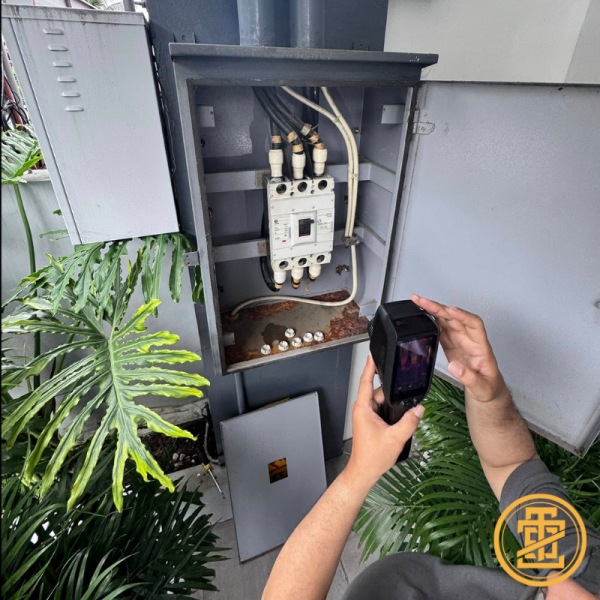
In the Philippine climate, corrosion at bus bars, switchgear connections, and distribution panel interiors is a serious and common problem. Corrosion increases resistance, which increases heat. Thermography identifies corroded connections clearly and early.
6. Transformer Hotspots
Transformers that are overloaded, aging, or have internal insulation issues show characteristic temperature patterns when scanned. Distribution transformers — particularly those serving heavy industrial loads — should be included in every thermography inspection program.
7. Failing Contactor Coils and Motor Control Centers
Contactors and motor starters in manufacturing environments are subject to constant cycling and high ambient temperatures. Failing contactor coils, worn contacts, and degraded motor control center components show up clearly in thermal scanning — often providing several months of warning before failure.
8. Arc Flash Risks
Arc flash — the explosive release of energy from an electrical arc — is one of the most dangerous hazards in industrial electrical systems. Conditions that increase arc flash risk, including corroded connections, deteriorated insulation, and contaminated bus bars, frequently produce thermal signatures detectable by thermography long before an arc occurs.
9. Cable and Conductor Issues
Undersized conductors, cables with damaged insulation, and cables that have been spliced or repaired improperly all show elevated temperatures under load. Thermography identifies these conditions precisely, allowing targeted replacement rather than blanket rewiring.
10. Deteriorating Switchgear Connections
Medium and high-voltage switchgear connections in substations and primary distribution systems are subject to severe thermal stress. Regular thermography of these connections is essential in any facility with a dedicated substation or medium-voltage distribution system.

Who Needs Electrical Thermography in the Philippines?
The short answer: any facility with a significant electrical system that cannot afford an unplanned outage, a fire, or a safety incident. More specifically:
- Manufacturing plants and factories: The combination of high electrical loads, continuous operations, and the devastating cost of production downtime makes thermography essential for any manufacturing facility in the Philippines.
- Warehouses and logistics facilities: Cold storage facilities, large warehouses, and distribution centers rely on continuous electrical supply and are particularly vulnerable to the consequences of electrical failure.
- Hospitals and healthcare facilities: The life-critical nature of hospital operations makes electrical reliability non-negotiable. Thermography is a key component of electrical maintenance in any serious healthcare facility.
- Commercial buildings and malls: Large commercial buildings with significant electrical infrastructure — particularly those in PEZA zones or subject to BFP inspection — benefit greatly from documented thermography programs.
- Industrial park tenants: Facilities in Laguna Technopark, Carmelray Industrial Park, FPIP, LISP, and other industrial parks often face specific electrical maintenance requirements from their landlords or PEZA — which thermography documentation helps satisfy.
- Hotels and resorts: The combination of guest safety requirements and the high cost of operational disruption makes thermography an excellent investment for Philippine hotels and resorts.
- Data centers and telecommunications: Any facility where electrical system reliability is directly tied to business continuity should have a regular thermography inspection program.
How Often Should You Have Electrical Thermography Done?
The frequency of thermography inspections depends on several factors: the age of your electrical system, the criticality of your operations, the conditions your equipment operates in, and the changes you have made to your electrical loads over time.
As a general guideline, the ETCZ Corp engineering team recommends the following:
- Heavy manufacturing / 24-hour operations: Every 6 months. High loads, continuous operation, and frequent load changes create conditions where problems develop quickly.
- Standard industrial and commercial facilities: At minimum, every facility should have a comprehensive thermography inspection once per year.
- After any significant electrical modification: Any time you add major equipment, upgrade your electrical system, or perform significant repairs, a thermography scan should follow to verify that the modifications are operating safely.
- After unusual events: Power surges, sustained outages, equipment failures, or unusual breaker trips are all reasons to schedule an unplanned thermography inspection to check for damage.
- New facilities: Even newly installed electrical systems benefit from a baseline thermography scan to document the initial condition and identify any installation deficiencies before they develop into serious problems.
What to Expect from a Professional Electrical Thermography Inspection
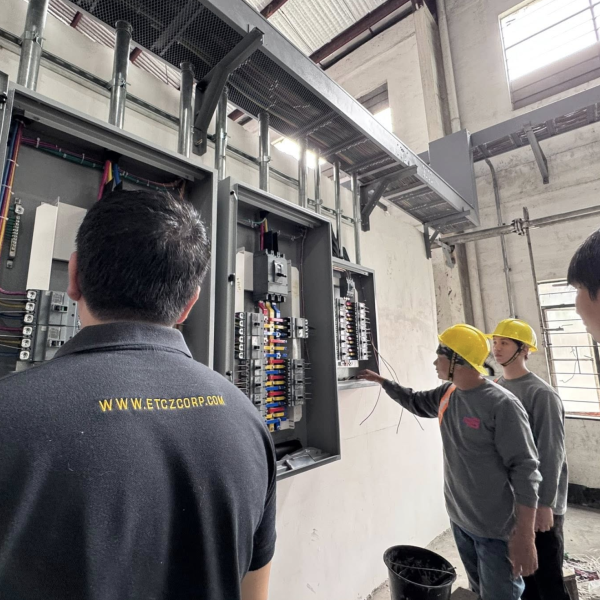
If you have never had a thermography inspection before, you may not know what the process involves. Here is exactly what a professional inspection looks like — and what ETCZ Corp delivers on every engagement.
Before the Inspection
A qualified inspection begins with coordination, not cameras. The ETCZ Corp team will review your facility’s electrical single-line diagram or panel schedule if available, identify the critical systems to be scanned, coordinate with your maintenance team on access and scheduling, and confirm that your systems will be operating under normal load during the inspection. This last point is critical: thermography is only meaningful when systems are operating under load. Scanning an idle system produces misleading results.
During the Inspection
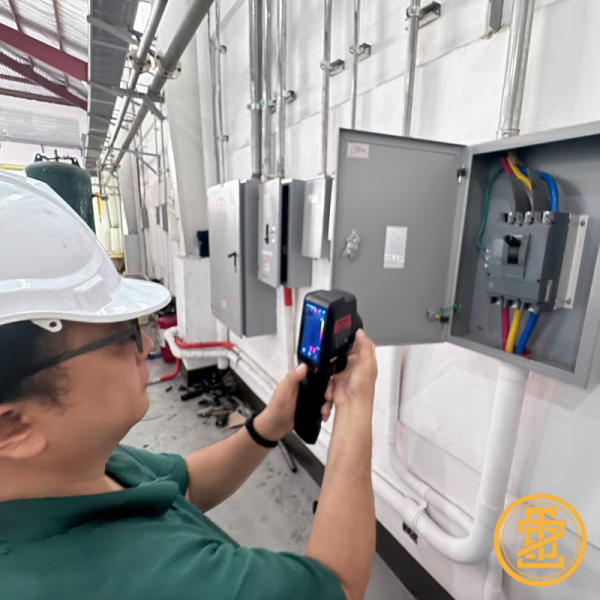
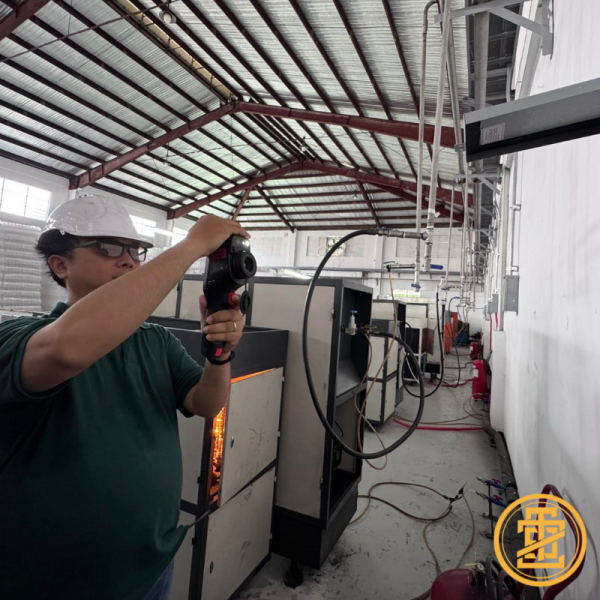
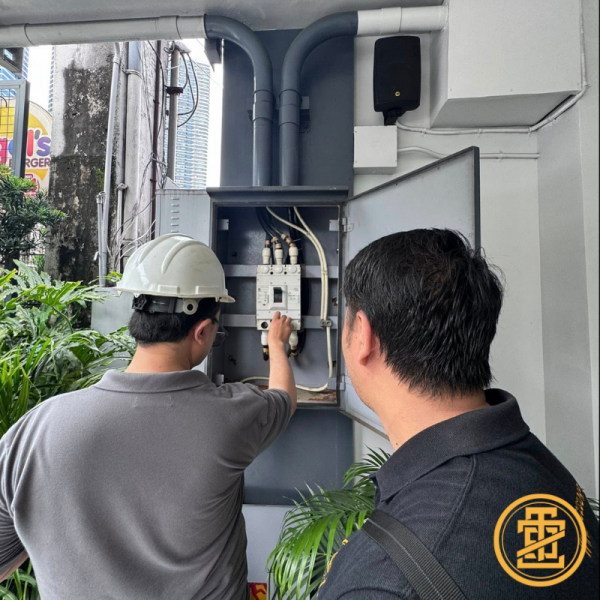
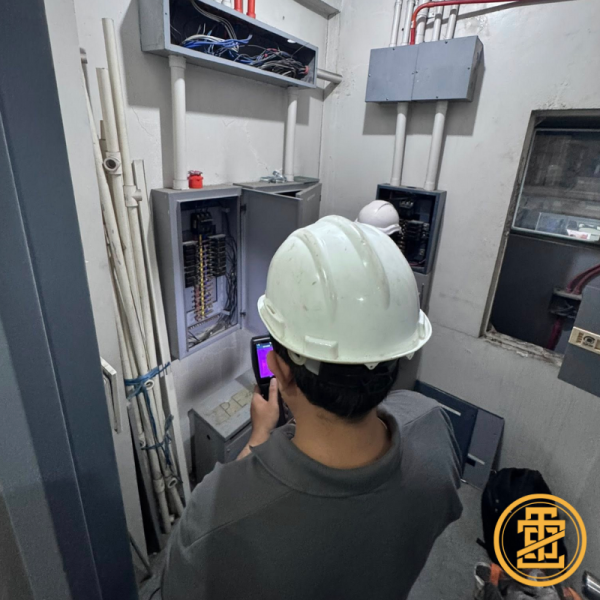
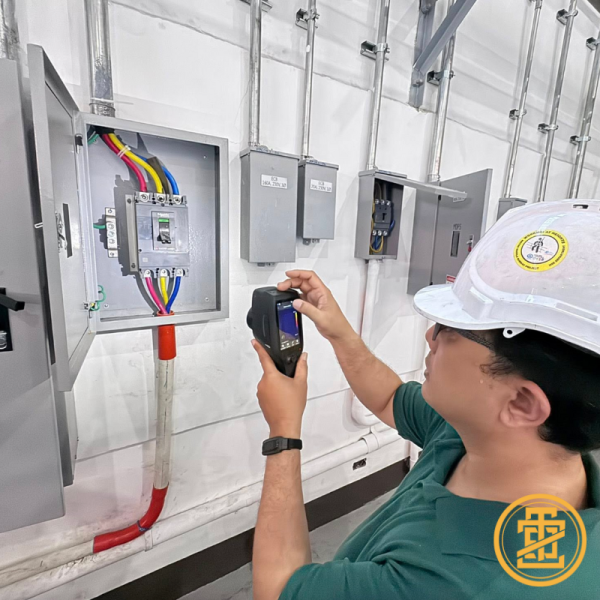
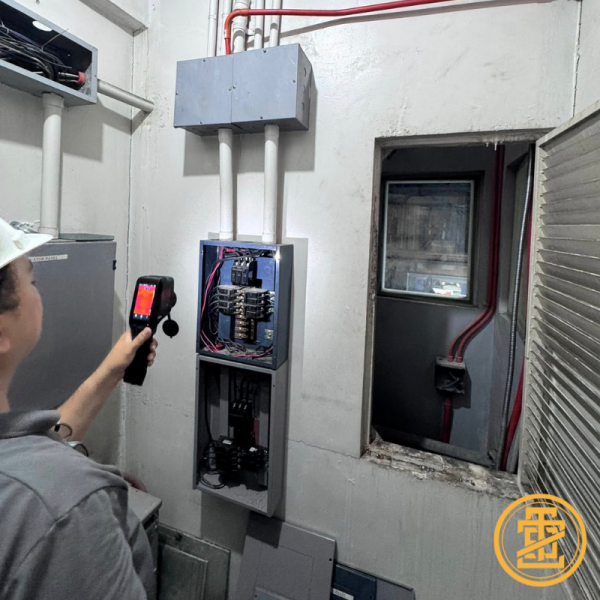
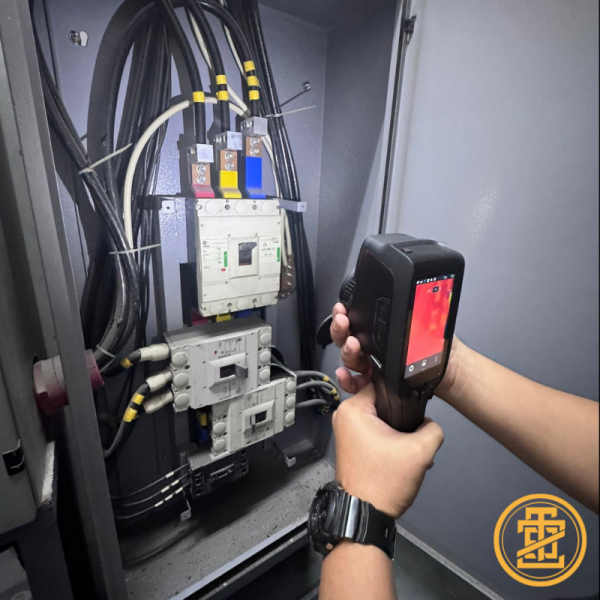
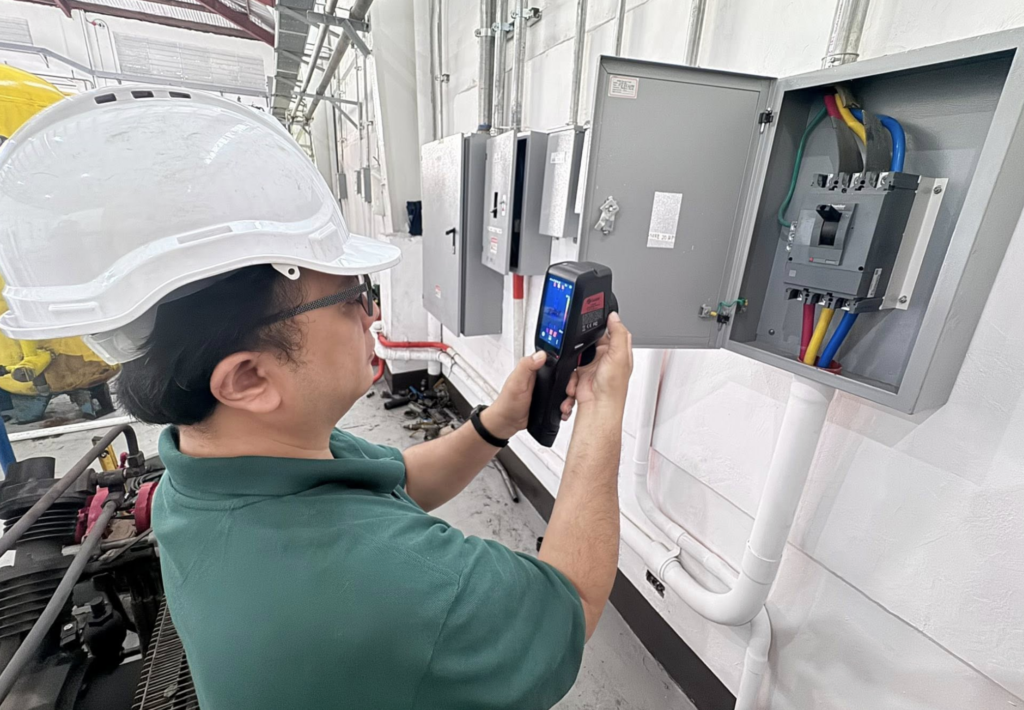
Your ETCZ Corp thermographer will use a calibrated, professional-grade infrared camera to scan all specified components. Every opening of a panel or enclosure is done carefully and safely. The thermographer documents each component systematically, capturing both the thermal image and a corresponding visible-light photograph of each location. Temperature readings are recorded for every significant finding. The process is non-invasive — no components are touched, no circuits are de-energized, and your operations continue normally throughout.
After the Inspection: The Report
A thermography inspection without a formal report is worthless. The report is what documents your findings, provides the basis for corrective action, and serves as your compliance record. ETCZ Corp delivers a comprehensive report that includes:
- Cover page with facility information, inspection date, and engineer credentials
- Executive summary of overall system condition
- Thermal images for every significant finding, annotated with temperatures
- Corresponding visible-light photographs for reference
- Temperature readings table with all measurement points
- Findings summary with severity classification (Critical, Moderate, Minor)
- Prioritized corrective action recommendations
- Engineer’s signature and credentials
- Client acknowledgment and acceptance form
How to Choose the Right Electrical Thermography Provider in the Philippines
Not all thermography providers are equal. The quality of the inspection — and therefore the safety value you receive — depends entirely on the expertise of the thermographer and the quality of their equipment. Here is what to look for:
- Licensed Electrical Engineers: Your thermography provider should be staffed by PRC-licensed electrical engineers. This is not just a credential — it means your thermographer understands the electrical engineering implications of every finding, not just the thermal image.
- Calibrated professional-grade cameras: Consumer-grade thermal cameras are inadequate for industrial electrical inspection. Professional thermography requires cameras with sufficient resolution and sensitivity to detect subtle temperature anomalies in complex electrical environments.
- Documented reporting standards: A credible provider will deliver a formal written report — not a verbal summary or a few photos on a phone. The report should be detailed enough to serve as a compliance document.
- Industry experience: Look for a provider with documented experience in your type of facility. Factory electrical systems, commercial buildings, and substations each have different characteristics that require relevant experience to assess correctly.
- Integrated service capability: The best thermography providers can also perform the corrective actions they identify. ETCZ Corp offers both thermography inspection and all corrective electrical services — meaning we find the problems and we fix them.
Why Choose ETCZ Corp for Electrical Thermography?
ETCZ Corp is based in Antipolo City, Rizal and serves commercial and industrial facilities across Luzon. Our team includes PRC-licensed Electrical Engineers, a Certified Master Electrician, a DOE-certified Energy Auditor, and IIEE members. We provide professional-grade infrared thermography inspections with comprehensive written reports — and we perform all corrective work identified during the inspection
FAQ
No. Electrical thermography is performed on live, operating systems. In fact, the systems must be under normal operating load for the inspection to be accurate. You do not need to stop production or de-energize your systems.
For a typical industrial facility — a factory or warehouse with one or two main distribution panels and several sub-panels — a comprehensive thermography inspection takes approximately 4 to 8 hours. Larger facilities with extensive electrical infrastructure may require a full day or multiple visits.
The cost of a thermography inspection varies based on the size of your facility, the number of components to be scanned, the location, and the scope of reporting required. For an accurate quote for your specific facility, contact ETCZ Corp at 09778411839 for a free consultation.
A standard electrical inspection is visual and physical — it finds what can be seen and touched. Electrical thermography finds what cannot be seen: developing problems inside connections, behind terminals, and within electrical components that show no external signs. Thermography typically identifies problems that standard inspection would miss for 6 to 18 months.



Gallery
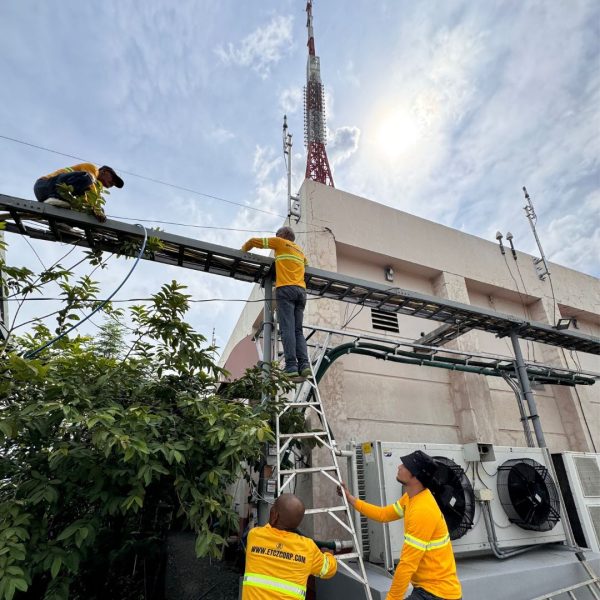
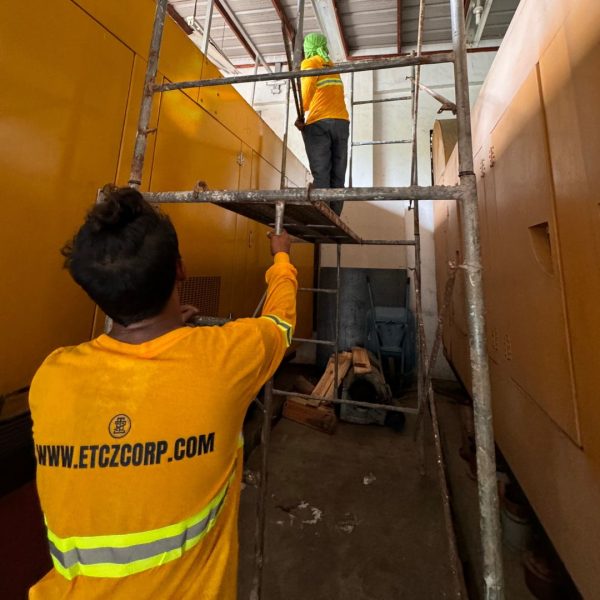
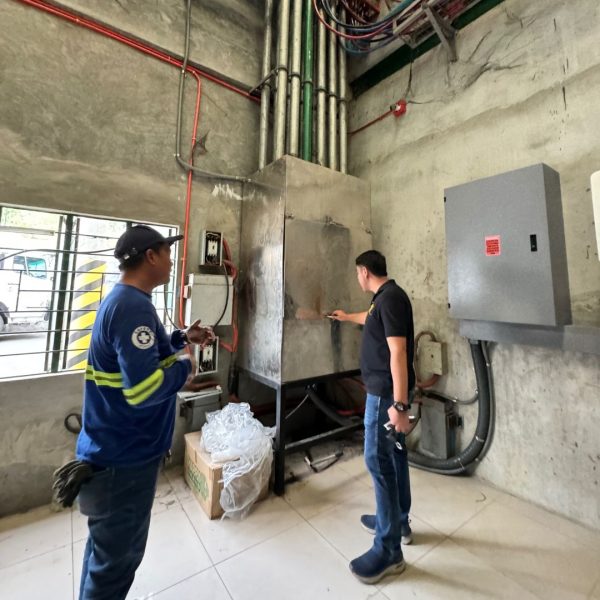
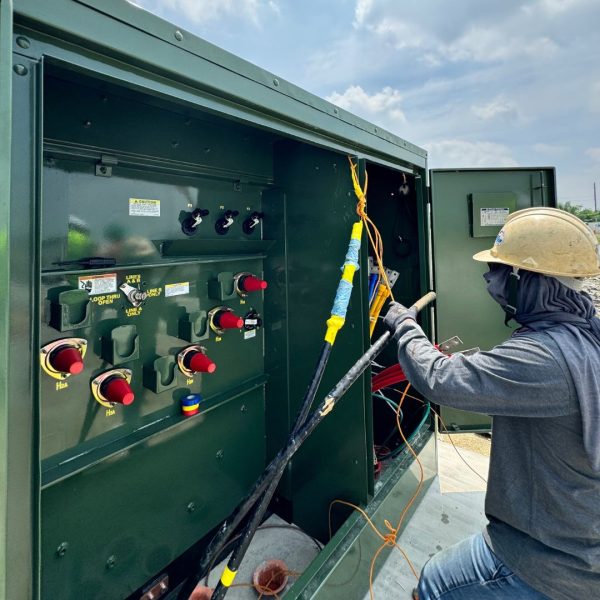
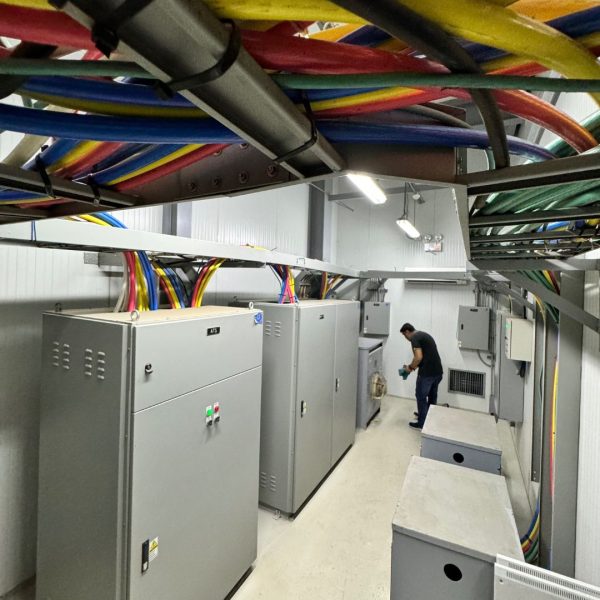
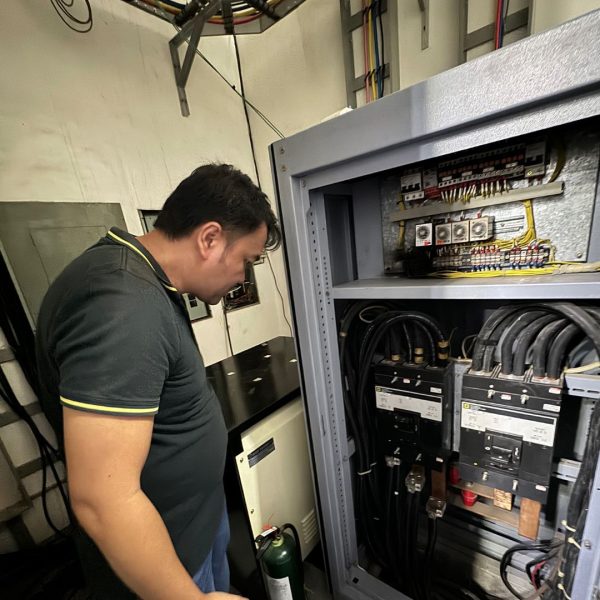
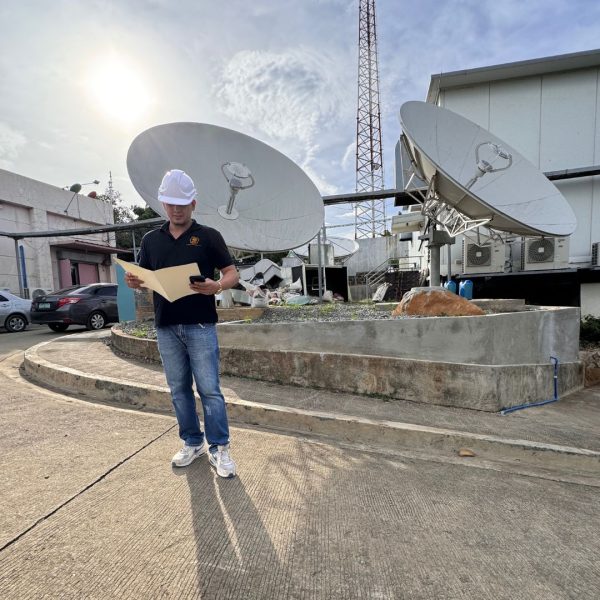
"We are thankful for the excellent service provided by ETCZ Corp. Their distribution transformers have enhanced the efficiency of our power network."
Your Partner for Electrical Success
Whether you are looking to design a new system, optimize an existing one, or address specific challenges, ETCZ Corp\u2019s electrical engineering services are your trusted solution. From initial planning to final implementation, we work closely with you to deliver efficient, reliable, and cost-effective results.

Expertise You Can Trust:
Backed by a team of seasoned professionals, we bring decades of collective experience to the table. Our electrical engineers are not only proficient in their craft but also passionate about delivering excellence in every project we undertake.

Comprehensive Services
Whether you’re in need of design consultation, project management, installation, or maintenance services, ETCZ Corp offers a comprehensive suite of solutions to meet your requirements. We work closely with our clients at every stage of the project, from conceptualization to completion, ensuring seamless execution and optimal outcomes.

Quality Assurance
Quality and safety are paramount in the work we do. At ETCZ Corp, we adhere to the highest standards of quality assurance, employing rigorous testing and inspection protocols to ensure that every project meets regulatory requirements and industry standards. Our dedication to quality is evident in the reliability and durability of our solution

Client-Centric Approach:
At ETCZ Corp, we prioritize our clients’ needs above all else. We take the time to understand their unique challenges, goals, and constraints, tailoring our services to deliver solutions that address their specific requirements. Our client-centric approach fosters long-lasting partnerships built on trust, transparency, and mutual success
Have any queries?
We're here to help.
- #52 M.L Quezon St. Villa Ligaya Subdivision Barangay Dela Paz, Antipolo City
- 09778411839
- [email protected]