

Building Energy Audit Cost in the Philippines | ETCZ Corp
Building Energy Audit Cost in the Philippines: The Complete 2026 Guide for Commercial and Industrial Facilities
If you manage a commercial building, factory, or industrial facility in the Philippines, you have almost certainly felt the pressure of rising electricity bills. Meralco rates remain among the highest in Southeast Asia, and for large energy consumers, even a 10% reduction in monthly consumption can translate to hundreds of thousands of pesos saved every year. That is precisely why more and more facility managers, plant engineers, and business owners are searching for one thing: a certified building energy audit.
But before picking up the phone and calling an auditor, the first question most clients ask is always the same — how much does a building energy audit cost in the Philippines?
This guide answers that question in full. As ETCZ Corp’s certified energy audit team, we have conducted energy audits across manufacturing plants, cold storage facilities, office buildings, hospitals, malls, and industrial parks throughout Luzon. We know what drives costs up, what keeps them reasonable, and — more importantly — what kind of return you can realistically expect from an energy audit investment.
By the time you finish reading this article, you will know exactly what to budget, what to watch out for when hiring an auditor, and how to use an energy audit to permanently reduce your electricity expenses.
What Is a Building Energy Audit in the Philippines?
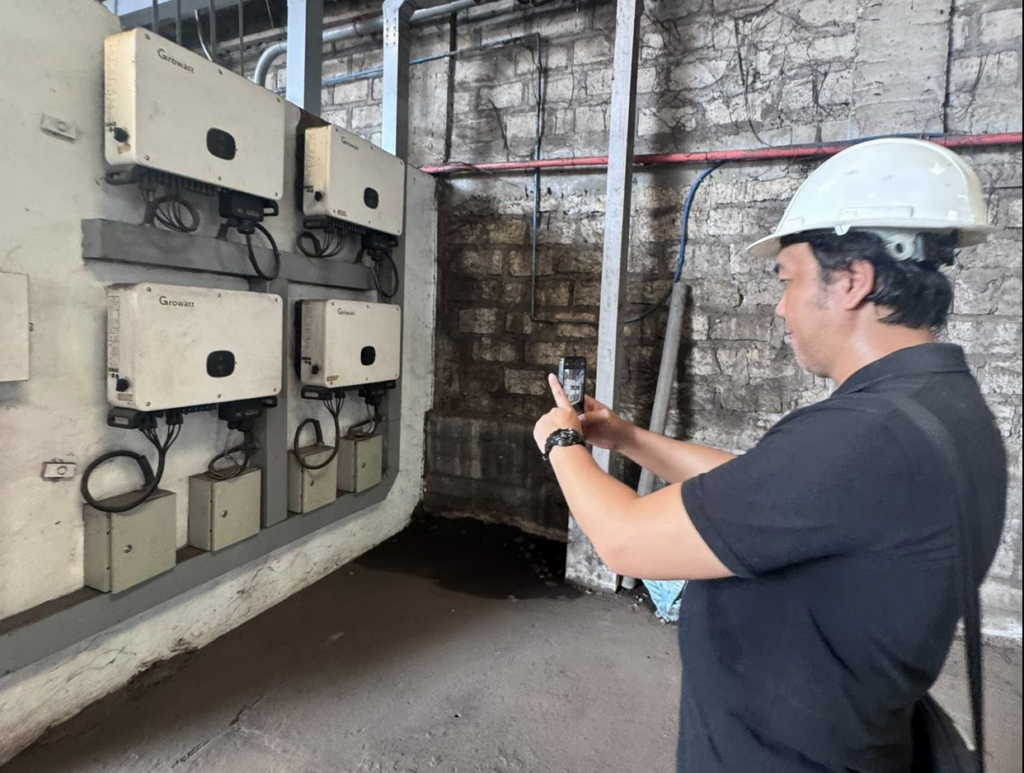
A building energy audit is a systematic, data-driven process of inspecting, measuring, and analyzing how energy is consumed in a facility. The goal is to identify where energy is being wasted, quantify those losses in peso terms, and recommend specific, cost-effective interventions to eliminate or reduce them.
In the Philippines, energy audits are governed by Republic Act 11285, also known as the Energy Efficiency and Conservation Act of 2019, and its implementing rules and regulations (IRR). Under this law, Designated Establishments (DEs) — facilities that consume 500,000 kWh or more per year — are legally required to conduct a certified energy audit and submit energy consumption reports to the Department of Energy (DOE).
This means energy audits in the Philippines are not just a best practice for large commercial and industrial companies. For many facilities, they are a legal compliance requirement.
For facilities that fall below the Designated Establishment threshold, energy audits remain one of the highest-ROI investments available — particularly given the cost of electricity from distribution utilities like Meralco, DLPC, and VECO.
Types of Energy Audits and How They Differ in Cost
Not all energy audits are the same. The scope, depth, and deliverables of an energy audit vary significantly based on the type of audit performed. In the Philippines, energy audits generally fall into three levels, each with a different price range.
Level 1 — Walk-Through Audit (Preliminary Assessment)
A Level 1 or walk-through audit is a high-level visual inspection of a building’s energy-using systems. The auditor visits the facility, reviews utility bills, identifies obvious areas of waste, and produces a short report with general recommendations. No detailed measurements or equipment data logging are performed at this stage.
This type of audit is best suited for smaller commercial buildings, retail stores, or facilities that simply want a baseline understanding of their energy performance before committing to a more detailed study.
Typical cost in the Philippines: ₱15,000 – ₱45,000
Turnaround time: 3 to 7 business days
Best for: Small offices, small commercial buildings, residential condominiums, early-stage energy planning
Level 2 — General Energy Audit (Standard Audit)
A Level 2 audit goes significantly deeper. The auditor conducts a detailed walkthrough, collects operational data, performs measurements using calibrated instruments (power analyzers, lux meters, thermal cameras, data loggers), and analyzes energy consumption across all major systems — HVAC, lighting, motors, compressed air, refrigeration, and production equipment.
The output is a comprehensive energy audit report that identifies specific Energy Conservation Opportunities (ECOs), calculates the energy and cost savings potential of each recommendation, and estimates simple payback periods.
This is the standard level required for DOE compliance under RA 11285 for Designated Establishments. It is also the level most commonly used for medium to large commercial buildings, manufacturing plants, and industrial facilities.
Typical cost in the Philippines: ₱50,000 – ₱200,000+
Turnaround time: 2 to 4 weeks
Best for: Factories, manufacturing plants, hospitals, hotels, malls, industrial facilities, Designated Establishments under RA 11285
Level 3 — Investment-Grade Audit (Detailed / Diagnostic Audit)
A Level 3 or investment-grade audit is the most thorough type of energy study. It involves extended data logging (often 30 to 90 days of continuous monitoring), detailed engineering analysis, financial modeling, and in some cases, computer simulation of the building’s energy systems. The findings are used to justify major capital investments in energy-efficiency upgrades such as power factor correction systems, variable frequency drives (VFDs), chiller replacements, or solar PV installations.
Typical cost in the Philippines: ₱200,000 – ₱600,000+
Turnaround time: 4 to 12 weeks
Best for: Large industrial complexes, hospitals, high-rise buildings, pre-retrofit justification for major capital investments
Key Factors That Affect Energy Audit Cost in the Philippines
Understanding the price range is only half the picture. The actual cost of your energy audit will depend on a combination of facility-specific and service-related factors. Here is what drives pricing in the Philippine market.
1. Facility Size and Floor Area
This is the single largest cost driver. A 500 sqm office space requires far less auditor time, instrument deployment, and data analysis than a 20,000 sqm manufacturing plant. Most energy audit providers in the Philippines price their services on a per-sqm basis or use facility size as the primary factor in their quotation formula.
As a general benchmark:
- Small facilities (below 2,000 sqm): ₱15,000 – ₱60,000
- Medium facilities (2,000 – 10,000 sqm): ₱60,000 – ₱150,000
- Large facilities (10,000 – 30,000 sqm): ₱150,000 – ₱350,000
- Very large/industrial complexes (30,000 sqm and above): ₱350,000 – ₱600,000+
2. Number and Complexity of Energy Systems
A facility with a simple electrical load profile — lighting, a few air conditioning units, and basic office equipment — is far easier and cheaper to audit than a manufacturing plant with dozens of motors, compressed air systems, industrial refrigeration units, furnaces, and CNC machines. The more complex the energy systems, the more instrument channels, data loggers, and engineering hours are required, and the higher the cost.
3. Audit Level Required
As detailed in the previous section, Level 1 audits cost a fraction of Level 3 audits. If you are pursuing DOE compliance, be aware that a Level 2 audit is the minimum acceptable standard. Hiring someone to do only a walk-through and submit a light report will not satisfy DOE requirements and may result in compliance penalties.
4. DOE-Accreditation of the Auditor
Under RA 11285, energy audits submitted to the DOE for Designated Establishment compliance must be conducted by a DOE-accredited energy auditor or a firm employing one. Accredited auditors command higher fees than non-accredited practitioners, but only their reports carry legal validity for compliance purposes. Always verify accreditation before signing an engagement contract.
ETCZ Corp employs certified energy auditors whose credentials are recognized under DOE accreditation guidelines, ensuring your audit report is compliant and submission-ready.
5. Location and Travel
Auditors based in Metro Manila or key Luzon hubs will charge differently for facilities in Laguna, Batangas, Bulacan, Pampanga, or Rizal compared to sites in the Visayas or Mindanao. Expect mobilization costs, per diem allowances, and accommodation expenses to be included in quotations for out-of-region facilities.
6. Scope of Deliverables
Some energy audit providers offer bare-bones reports that identify problems without providing implementation support. Others — including ETCZ Corp — deliver full turnkey engagement that includes the audit report, an Energy Management Plan (EMP), an Annual Energy Efficiency Investment Plan (AEEIP), and ongoing consultation during implementation. Comprehensive deliverables naturally come at a higher cost but deliver far greater value.
7. Urgency and Timeline
If you need your audit completed and submitted quickly — for example, to meet a DOE compliance deadline — rush fees may apply. Standard timelines are 2 to 4 weeks for a Level 2 audit. Compressed timelines of 5 to 7 business days are possible with additional resources at an added cost.
What Is Included in an ETCZ Corp Energy Audit Engagement?
When ETCZ Corp conducts a building energy audit, we do not simply hand you a report and walk away. Our engagement is structured to give you everything you need — from identification to implementation.
Here is what a typical ETCZ Corp certified energy audit includes:
Pre-Audit Phase
- Utility bill analysis (12 months minimum)
- Facility walk-through and preliminary assessment
- Identification of major energy-consuming systems
- Data collection planning and instrument deployment schedule
On-Site Audit Phase
- Detailed measurement of all major energy systems using calibrated instruments
- Power quality analysis (power factor, harmonics, voltage imbalance)
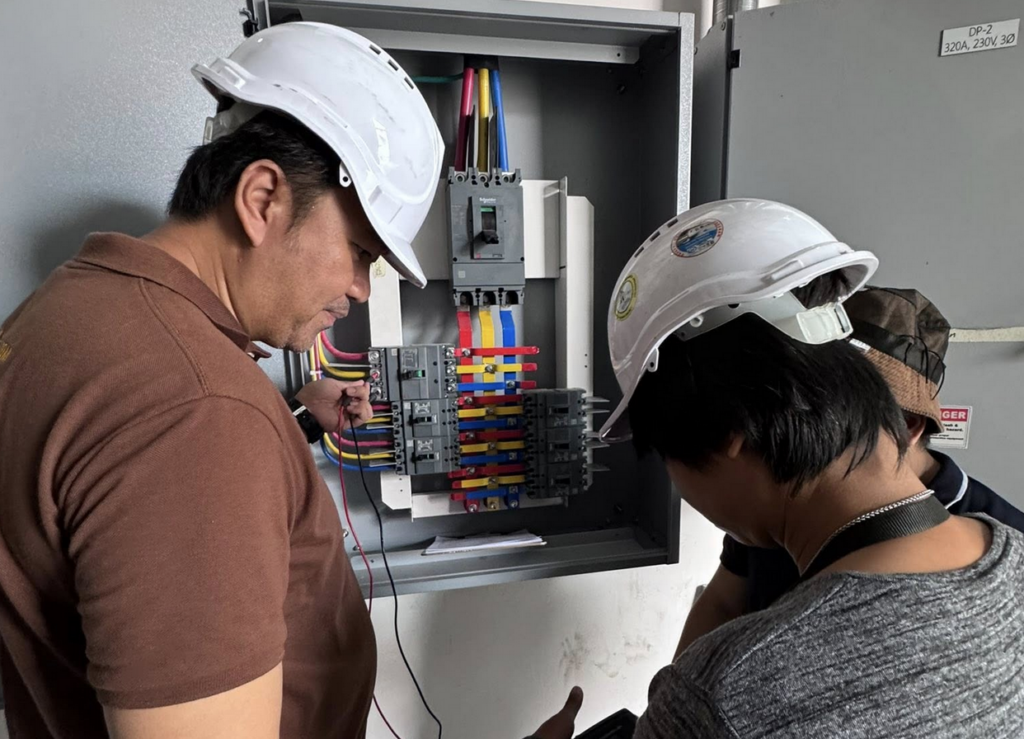
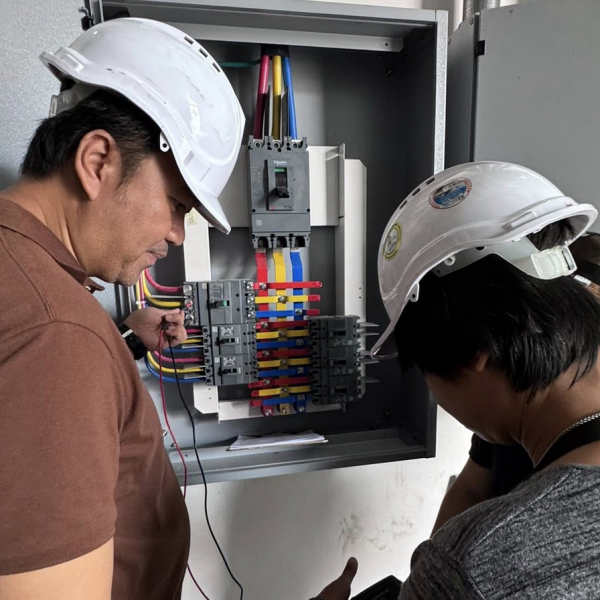
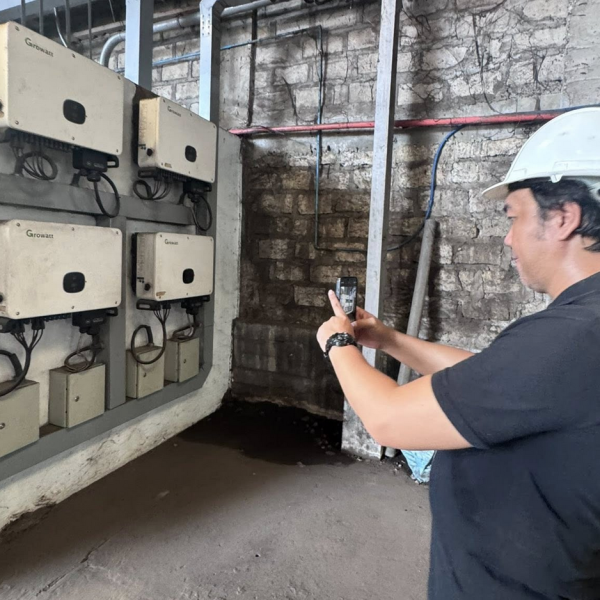
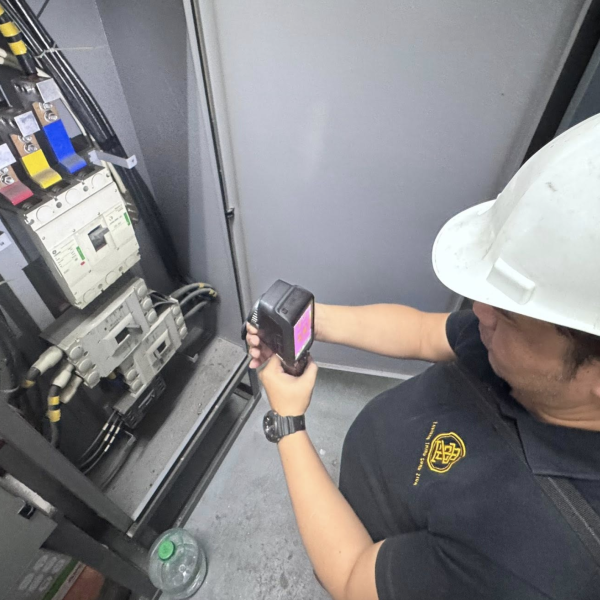
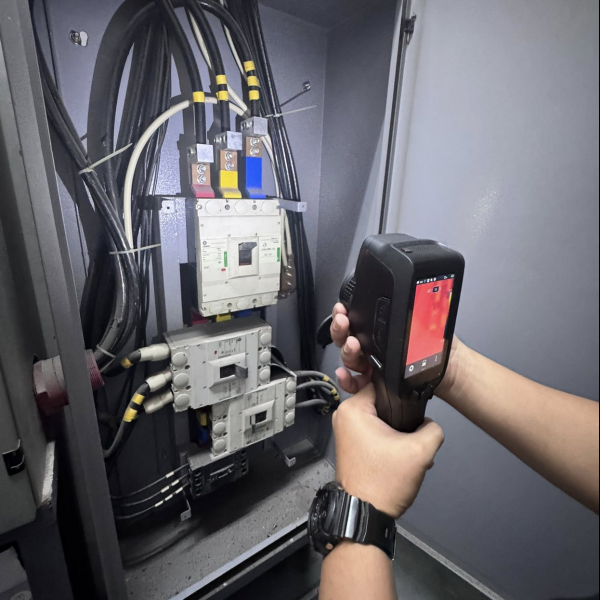
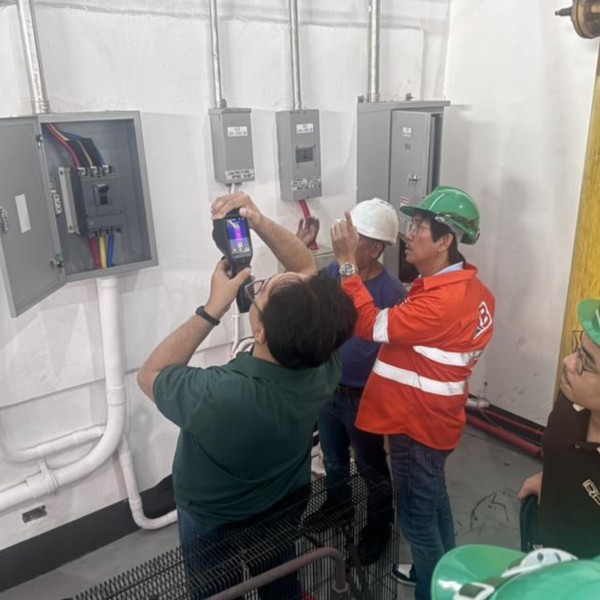
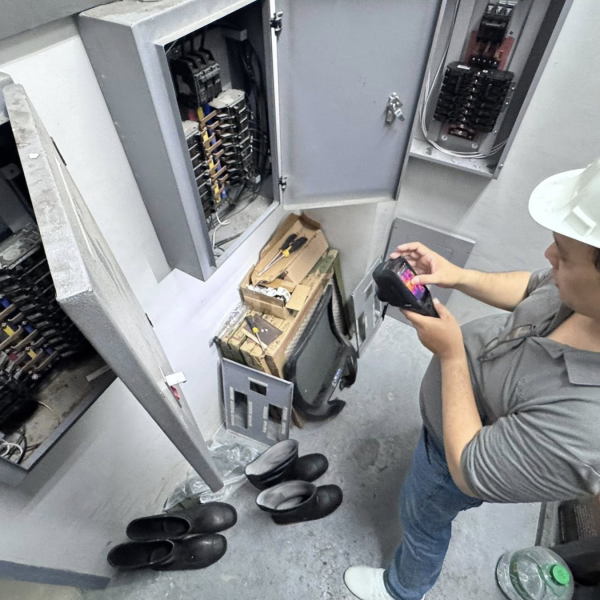
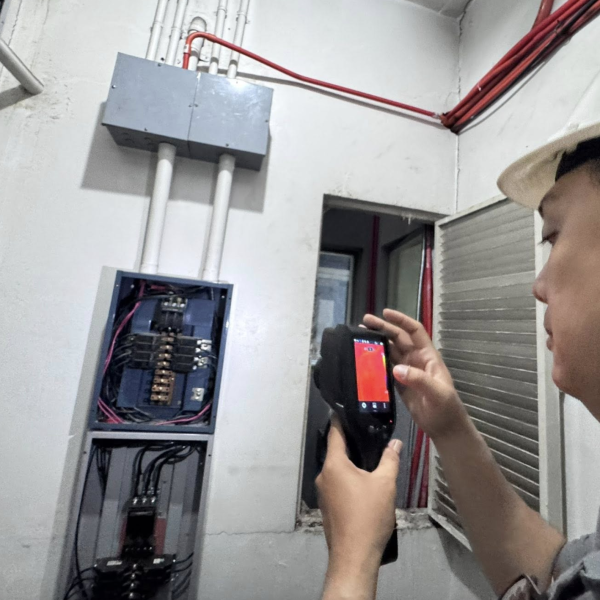
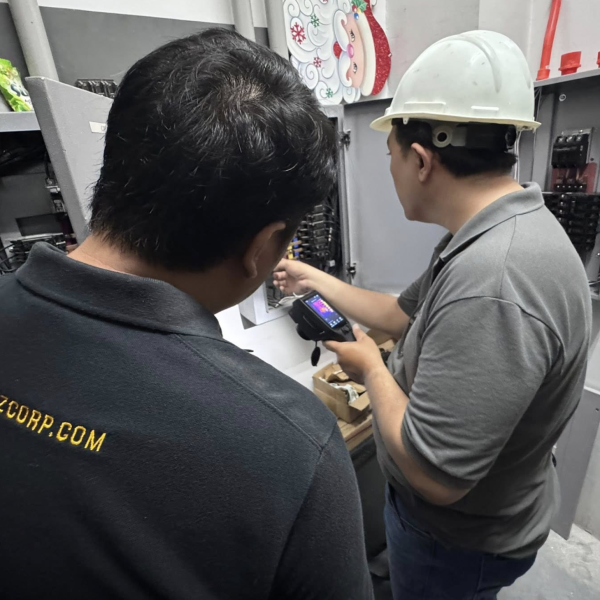
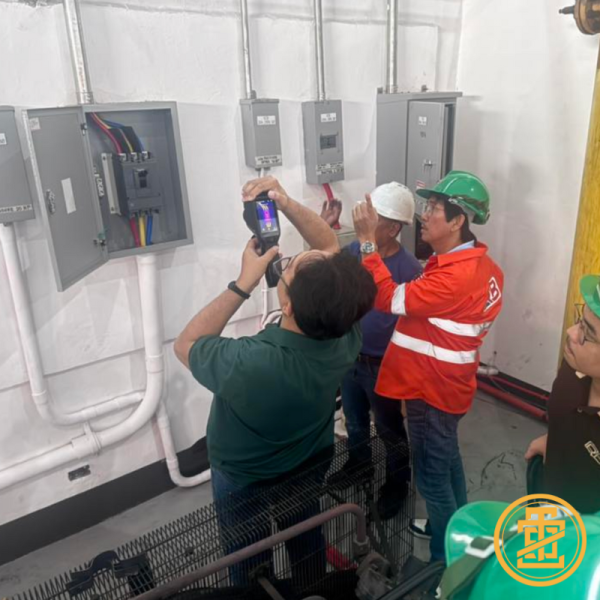
- Electrical thermal scanning of panel boards and distribution systems
- Lighting system measurement (illuminance levels, fixture inventory)
- HVAC system assessment (cooling load, refrigerant levels, coil condition)
- Motor and drive system assessment (loading, efficiency, VFD suitability)
- Compressed air system leak detection (where applicable)
- Building envelope and insulation assessment
Analysis and Reporting Phase
- Energy balance calculation
- Identification and quantification of Energy Conservation Opportunities (ECOs)
- Cost-benefit analysis for each recommended intervention
- Simple payback period and ROI calculation for each ECO
- Priority ranking of recommendations
DOE Compliance Documentation
- Full certified energy audit report (formatted per DOE requirements)
- Energy Management Plan (EMP)
- Annual Energy Efficiency Investment Plan (AEEIP)
- Designated Establishment reporting forms
Post-Audit Support
- Briefing presentation for management
- Implementation guidance and contractor referrals
- Follow-up consultation during ECO implementation
Typical ROI From a Building Energy Audit in the Philippines
One of the most important things to understand about energy audit cost is context. When viewed in isolation, ₱80,000 to ₱150,000 for an audit of a medium-to-large facility may seem like a significant expense. But when viewed against the savings potential, the math almost always makes the investment look conservative.
The DOE and industry data consistently show that facilities in the Philippines that implement energy audit recommendations achieve electricity cost reductions of 10% to 30% in the first year following implementation. For facilities with monthly electricity bills of ₱500,000 to ₱2,000,000 — which is very common in manufacturing and cold storage — even a conservative 15% reduction generates annual savings of ₱900,000 to ₱3,600,000.
Against those numbers, the cost of the audit itself — typically ₱80,000 to ₱200,000 — represents a payback period of just 2 to 6 weeks.
The more relevant question is not “How much does an energy audit cost?” but rather “What is the cost of NOT doing an energy audit?”
Common Energy Waste Issues Found During Building Audits in the Philippines
Based on ETCZ Corp’s experience auditing commercial and industrial facilities across Luzon, here are the most frequently identified sources of energy waste in Philippine buildings:
Poor Power Factor. A large number of Philippine industrial and commercial facilities operate with a power factor below 0.90, triggering surcharges from distribution utilities. Power factor correction — through the installation of capacitor banks — typically yields immediate bill reductions with payback periods of 6 to 18 months.
Inefficient Lighting Systems. Many older facilities still operate T8 fluorescent or metal halide lighting. Replacement with LED fixtures reduces lighting energy consumption by 40% to 60%, with payback periods of 12 to 24 months.
Oversized and Inefficient Motors. Industrial facilities often run motors at partial load, far from their efficiency sweet spot. Installing variable frequency drives (VFDs) on pumps, fans, and compressors that operate at variable loads typically saves 20% to 50% of the energy those systems previously consumed.
Air Conditioning Inefficiency. Poorly maintained split-type or package air conditioning systems, refrigerant leaks, dirty coils, and incorrect thermostat setpoints are among the most consistent findings in commercial building audits. Proper maintenance alone can recover 10% to 15% of HVAC energy consumption.
Compressed Air Leaks. In manufacturing facilities, compressed air systems are often the single largest electricity consumer. Audits routinely find leak rates of 20% to 40% of total compressed air production, representing tens of thousands of pesos in wasted energy per month.
Idle Equipment Running on No-Load. In production facilities, equipment left running during breaks, shift changes, and holidays contributes to phantom loads that inflate electricity bills without producing any output.
Lack of Submetering. Without submetering, facility managers have no visibility into which departments, production lines, or equipment are consuming disproportionate amounts of energy. Energy audits frequently recommend submetering as a foundational step toward effective energy management.
How to Choose the Right Certified Energy Auditor in the Philippines
Not all energy auditors in the Philippines are created equal. Here is how to evaluate and select the right provider for your facility.
Verify DOE Accreditation. For Designated Establishments, this is non-negotiable. Ask for the auditor’s DOE accreditation number and verify it directly with the DOE if necessary. Only accredited auditors can produce reports that the DOE will accept.
Ask for Sample Reports. A quality energy audit report should include detailed measurements, not just observations. Ask to see a sample report (with client data redacted) before engaging any provider. If the report is thin on data and heavy on generic recommendations, walk away.
Check Industry Experience. Energy auditing is not one-size-fits-all. A firm that has extensive experience auditing cold storage facilities may have limited expertise in textile manufacturing. Ask specifically about their experience in facilities similar to yours.
Look for Integrated Capabilities. The best energy audit firms are not just report writers. They have in-house or closely allied capabilities in electrical engineering, thermography, PMS, and systems installation. This matters because implementing audit recommendations requires real engineering work, not just a document.
ETCZ Corp brings together all of these capabilities under one roof — certified energy auditors, licensed electrical engineers, thermography specialists, and installation teams — making us uniquely equipped to take your facility from audit findings to implemented savings.
Get a Detailed Proposal. Any reputable energy audit provider should be able to give you a detailed written proposal that specifies what is included, what instruments will be used, what the deliverables are, and what the timeline will be. Vague verbal quotes are a red flag.
DOE Compliance: What Designated Establishments Need to Know
Under RA 11285, facilities classified as Designated Establishments have a specific set of compliance obligations that go beyond simply conducting an energy audit. Understanding these obligations is critical for facility managers and energy managers in the Philippines.
Who Qualifies as a Designated Establishment? Any private or government-owned facility with an annual energy consumption of 500,000 kWh or more in the industrial, commercial, or transport sector is classified as a Designated Establishment.
Key Compliance Requirements:
- Appointment of a Certified Energy Manager (CEM) or Energy Conservation Officer (ECO)
- Submission of an Energy Audit Report to the DOE at prescribed intervals
- Submission of an Energy Management Plan (EMP)
- Preparation and submission of an Annual Energy Efficiency Investment Plan (AEEIP)
- Achievement of specific energy efficiency targets set by the DOE
Penalties for Non-Compliance: The law prescribes fines and penalties for Designated Establishments that fail to comply with energy audit and reporting requirements. Fines can range from ₱50,000 to ₱500,000 per violation, and continued non-compliance can escalate to higher penalties and operational restrictions.
For facilities in this category, working with an experienced, DOE-accredited energy audit provider is not optional — it is a compliance necessity.
ETCZ Corp: Your Certified Energy Audit Partner in the Philippines
ETCZ Corp is a trusted electrical services company serving commercial and industrial clients across Luzon. Headquartered in Antipolo, Rizal, we specialize in a full range of electrical engineering services — from electrical panel boards and thermography to primary metering, motor services, and certified energy audits.
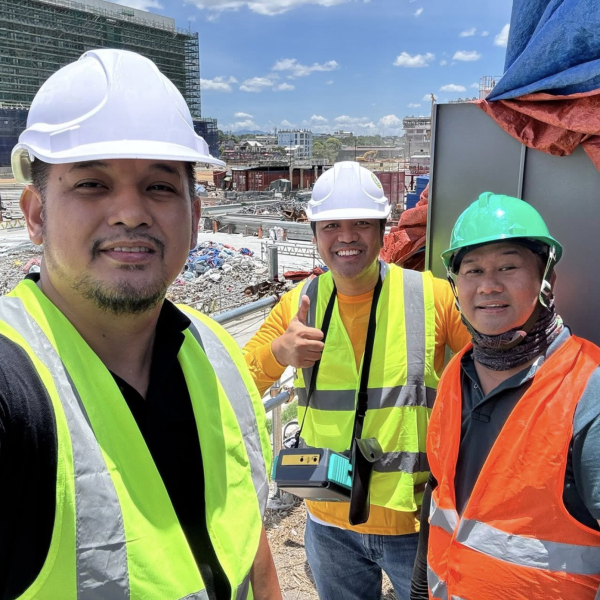
Our certified energy auditors bring hands-on experience in facilities across manufacturing, cold storage, food processing, retail, hospitality, healthcare, and mixed-use commercial development. We understand Philippine electrical infrastructure, Meralco tariff structures, DOE compliance requirements, and the practical realities of implementing energy-saving measures in Philippine industrial and commercial settings.
When you commission an energy audit from ETCZ Corp, you are not just getting a report. You are getting a complete roadmap to lower electricity costs, regulatory compliance, and a safer, more efficient facility — backed by a team that can help you implement every single recommendation.
Ready to find out how much you can save? Contact ETCZ Corp today at 09778411839 or email us at [[email protected]](mailto:[email protected]) to request a free preliminary assessment and quotation for your facility.
Energy Audit Frequently Asked Questions
Yes, under DOE energy efficiency regulations.
Typically every three years or after major system changes.
Non-compliance may result in penalties and increased operational risks.
Yes, many quick-win recommendations deliver fast savings.
Only qualified and certified energy auditors.
Gallery
Your Partner for Electrical Success
Whether you are looking to design a new system, optimize an existing one, or address specific challenges, ETCZ Corp’s electrical engineering services are your trusted solution. From initial planning to final implementation, we work closely with you to deliver efficient, reliable, and cost-effective results.

ETCZ Corp
Schedule Your Certified Energy Audit Today
If your facility requires a certified energy audit in the Philippines, work with professionals who understand both engineering and compliance. 👉 Book a FREE initial consultation with ETCZ Corp today. Our certified engineers will help you meet DOE requirements, reduce energy costs, and strengthen your electrical systems.

Call Now 09778411839
Have any queries?
We're here to help.
- #52 M.L Quezon St. Villa Ligaya Subdivision Barangay Dela Paz, Antipolo City
- 09778411839
- [email protected]