

How ETCZ Corp Supports Primary Metering for Manufacturing and Industrial Facilities
In the world of industrial energy management, accurate power measurement is non-negotiable. Whether you’re operating a manufacturing plant, a processing facility, or any large-scale industrial operation, understanding your electricity consumption is crucial for efficiency, cost savings, and long-term planning.
That’s where metering comes into play. However, when choosing a metering solution, one key question often arises: should your facility invest in primary metering or secondary metering?
At ETCZ Corp, we help industrial leaders across the Philippines and Southeast Asia make informed decisions about their electrical infrastructure. This guide will take a deep dive into the differences, advantages, and disadvantages of primary and secondary metering—and help you decide which approach is right for your facility.
What Is Metering in Industrial Power Systems?
Metering refers to the monitoring and measurement of electrical energy consumption. This process is critical in ensuring efficient energy usage, accurate billing, and reliable system performance. In industrial settings, metering is essential for:
Managing peak demand
Identifying power quality issues
Preventing energy loss and waste
Meeting audit and compliance requirements
Metering systems can be installed at different points in the electrical distribution network. This is where the distinction between primary and secondary metering begins.
What Is Primary Metering?
Primary metering involves measuring electrical usage at the utility or high-voltage level (typically above 600V). The meters are installed on the primary side of the power transformer, where the electricity first enters the facility from the grid.
Key Characteristics:
Used in high-voltage environments
Meters are installed before the main step-down transformer
Requires current transformers (CTs) and potential transformers (PTs)
Direct interface with the utility provider
Benefits of Primary Metering:
Accurate, Real-Time Data at the Source
Better Load Management Across the Entire System
Ideal for Large-Scale Operations With High Energy Demands
Enables Custom Tariff Arrangements With Utilities
More Detailed Diagnostics and Fault Detection
Common Use Cases:
Manufacturing plants
Mining operations
Power-intensive process industries
Large commercial complexes
What Is Secondary Metering?
Secondary metering is performed on the low-voltage side (typically below 600V), after the electricity has been stepped down by the facility’s transformer. This is the most common metering type for smaller businesses and residential applications.
Key Characteristics:
Installed after the transformer
Easier to install and maintain
Less expensive upfront
Typically used for internal monitoring rather than billing
Benefits of Secondary Metering:
Cost-Effective Installation
Easier Access for Maintenance and Troubleshooting
Sufficient for Smaller Facilities or Sub-Metering
Can Be Installed Closer to Equipment or Departments
Useful for Load Profiling and Internal Billing
Common Use Cases:
Small manufacturing units
Residential and commercial buildings
Retail operations
Educational institutions

Factors to Consider When Choosing Between Primary and Secondary Metering
Making the right metering choice requires understanding your facility’s unique power needs. Here are key considerations:
1. Size and Scale of Operations
If your facility consumes power on a large scale, especially at high voltage, primary metering is often necessary. Secondary metering may suffice for smaller operations or departmental monitoring.
2. Energy Billing and Negotiations
Primary metering allows for direct interaction with utilities and may help you negotiate custom rates based on peak/off-peak usage.
3. Maintenance Capabilities
Primary metering requires specialized tools and knowledge for maintenance. If ease of maintenance is a top priority, secondary metering could be more practical.
4. Budget
While primary metering offers superior accuracy and scope, it comes at a higher installation and maintenance cost. Consider your ROI and long-term energy goals.
5. Compliance Requirements
If your facility needs to comply with ISO 50001 or other energy management certifications, primary metering provides the level of accuracy and reporting detail often required.
ETCZ Corp’s Approach to Industrial Metering
At ETCZ Corp, we bring over 10 years of experience in designing and implementing industrial metering systems across diverse sectors. Our electrical engineers and certified energy auditors take a consultative approach, helping you assess your energy usage and recommending solutions tailored to your operational needs.
Our Metering Solutions Include:
Design and installation of both primary and secondary metering systems
Integration with Energy Management Systems (EMS)
CT/PT selection and configuration
Preventive maintenance and diagnostics
Retrofits and upgrades for legacy systems
LED lighting and VFD controller supply for improved efficiency
Case Study: Helping a Manufacturing Facility Upgrade to Primary Metering
A major electronics manufacturer approached ETCZ Corp due to unexplained billing anomalies and system inefficiencies. After a comprehensive audit, our team determined that their existing secondary metering setup was insufficient for the facility’s power load and complexity.
We upgraded their infrastructure with a primary metering solution that included:
Custom-designed CT/PT assemblies
Real-time monitoring and analytics
Preventive maintenance integration
Within three months, the facility reported:
A 15% reduction in billing discrepancies
Improved load distribution
Streamlined energy audit processes

ETCZ Corp
📞 Call ETCZ Corp for a FREE consultation with our certified electrical engineers and energy auditors.
Choosing between primary and secondary metering is a strategic decision that can impact your facility’s performance, energy cost, and future scalability. Don’t navigate it alone.
Call Now 09778411839
Gallery
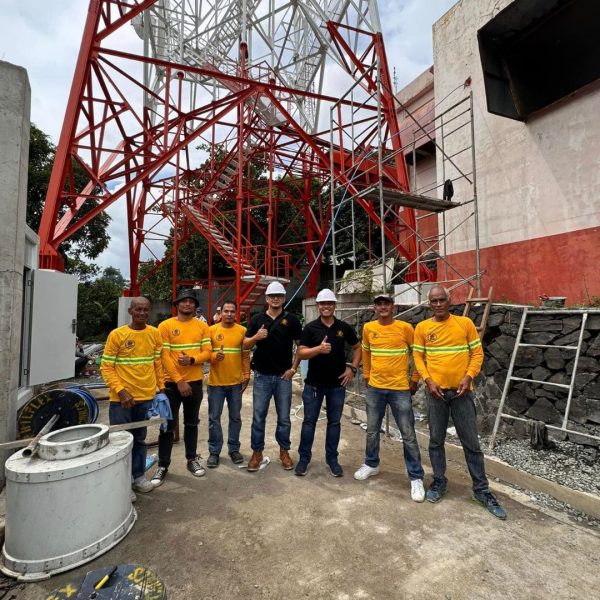
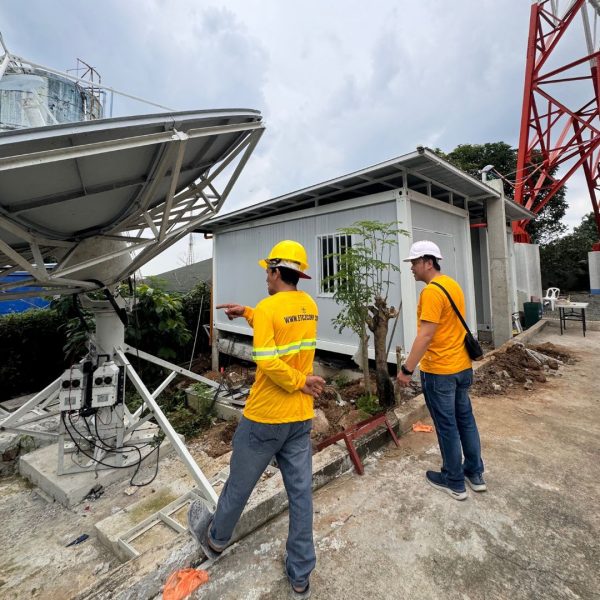
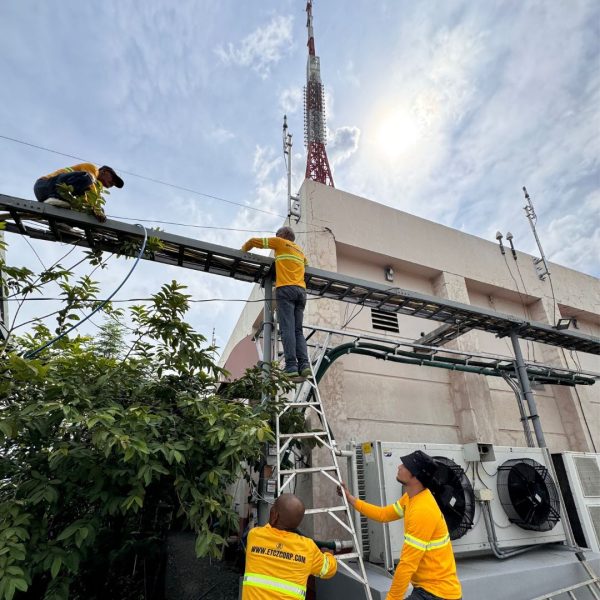
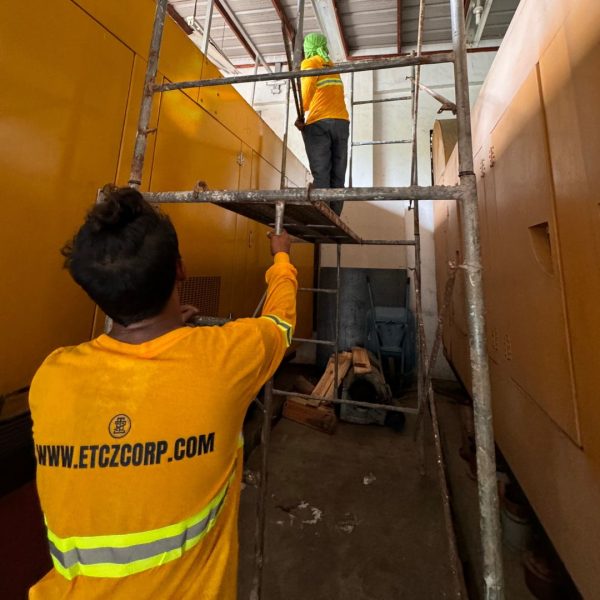
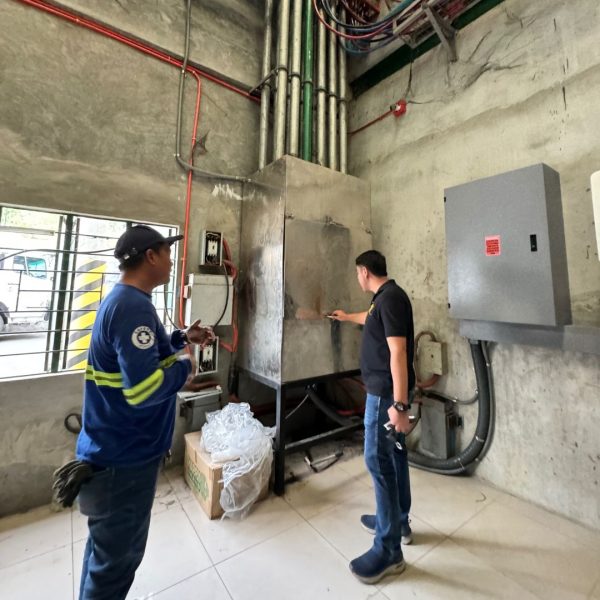
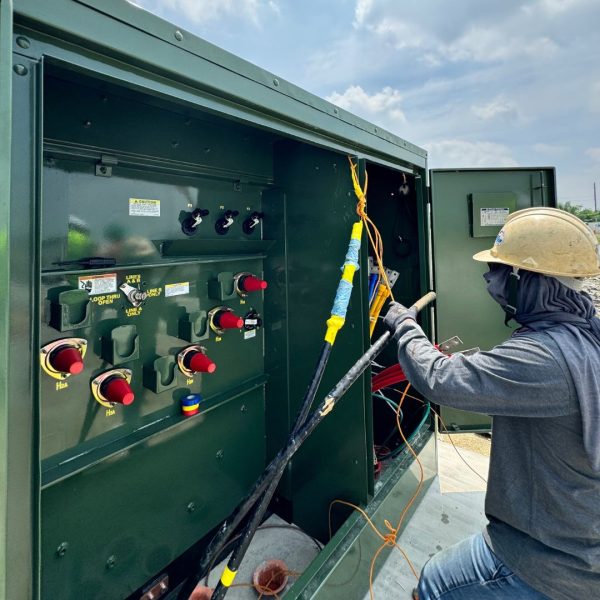
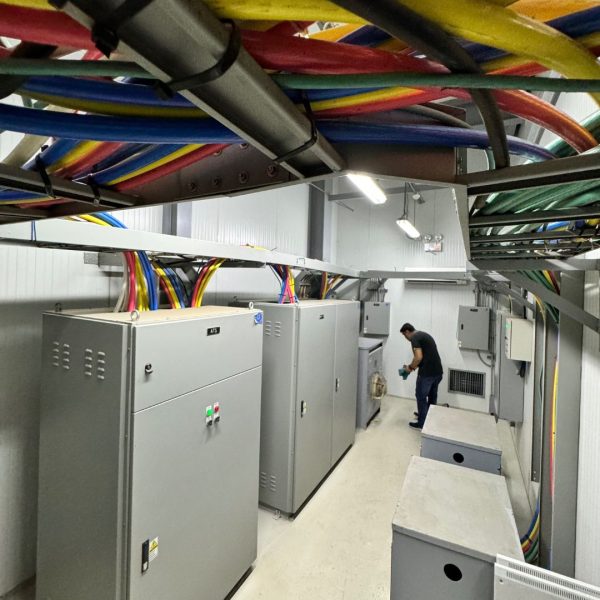
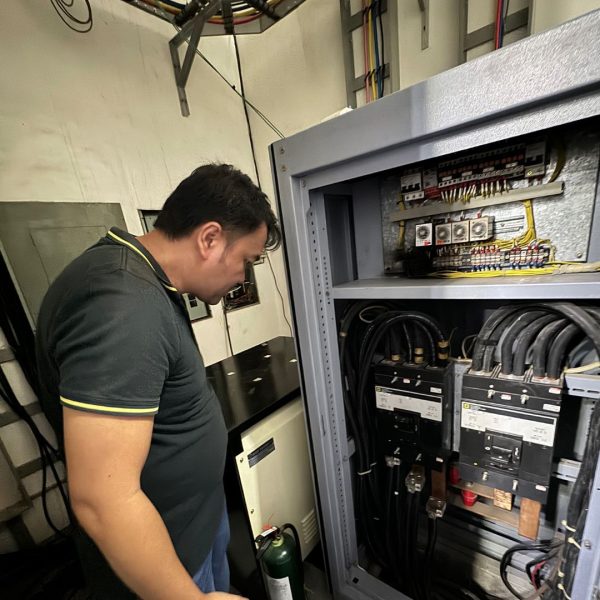
"We are thankful for the excellent service provided by ETCZ Corp. Their distribution transformers have enhanced the efficiency of our power network."
Your Partner for Electrical Success
Whether you are looking to design a new system, optimize an existing one, or address specific challenges, ETCZ Corp\u2019s electrical engineering services are your trusted solution. From initial planning to final implementation, we work closely with you to deliver efficient, reliable, and cost-effective results.

Expertise You Can Trust:
Backed by a team of seasoned professionals, we bring decades of collective experience to the table. Our electrical engineers are not only proficient in their craft but also passionate about delivering excellence in every project we undertake.

Comprehensive Services
Whether you’re in need of design consultation, project management, installation, or maintenance services, ETCZ Corp offers a comprehensive suite of solutions to meet your requirements. We work closely with our clients at every stage of the project, from conceptualization to completion, ensuring seamless execution and optimal outcomes.

Quality Assurance
Quality and safety are paramount in the work we do. At ETCZ Corp, we adhere to the highest standards of quality assurance, employing rigorous testing and inspection protocols to ensure that every project meets regulatory requirements and industry standards. Our dedication to quality is evident in the reliability and durability of our solution

Client-Centric Approach:
At ETCZ Corp, we prioritize our clients’ needs above all else. We take the time to understand their unique challenges, goals, and constraints, tailoring our services to deliver solutions that address their specific requirements. Our client-centric approach fosters long-lasting partnerships built on trust, transparency, and mutual success
Have any queries?
We're here to help.
- #52 M.L Quezon St. Villa Ligaya Subdivision Barangay Dela Paz, Antipolo City
- 09778411839
- [email protected]