

What Is a Certified Energy Audit? A Complete Guide for Philippine Businesses
Certified Energy Auditors
As electricity costs continue to rise in the Philippines, more businesses are asking an important question:
“Where is our energy really going — and how much are we wasting?”
After decades working with commercial buildings and industrial facilities, one thing is clear:
most businesses are losing 10–30% of their energy costs due to inefficiencies they cannot see.
This is exactly where a Certified Energy Audit becomes essential.
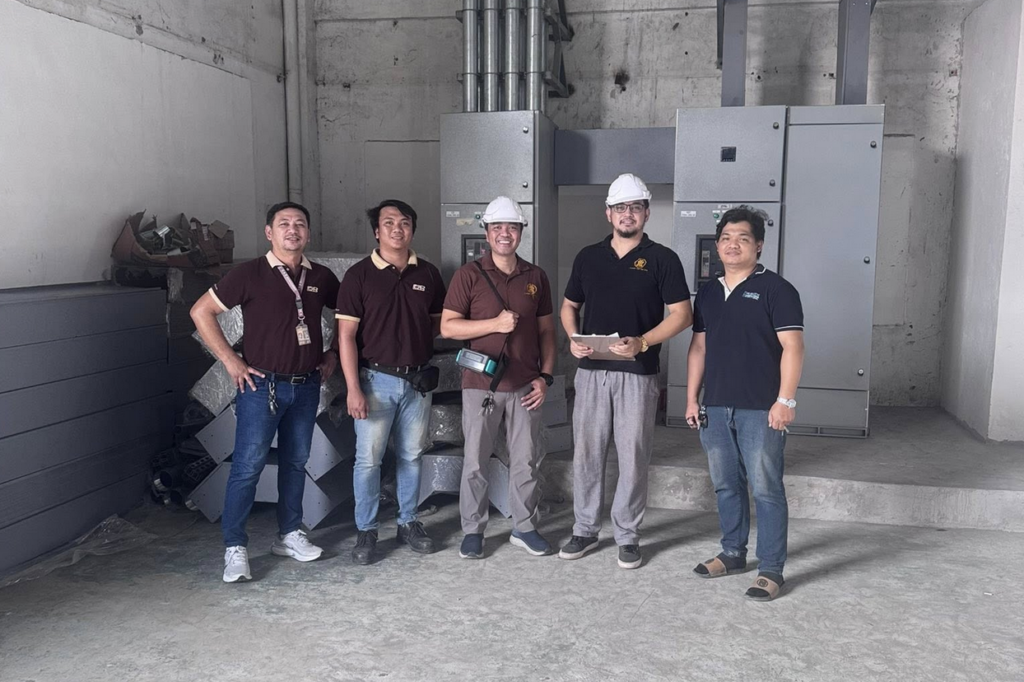
At ETCZ Corp, we conduct certified energy audits in the Philippines to help businesses understand their actual energy consumption, comply with DOE requirements, and reduce unnecessary power costs — without disrupting operations.
What Is a Certified Energy Audit? (Energy Audit Meaning)
A certified energy audit is a professional and systematic evaluation of how energy is used within a facility, conducted by DOE-accredited or certified energy auditors.
Its purpose is to:
Measure energy consumption
Identify energy losses and inefficiencies
Recommend cost-effective energy-saving measures
Support compliance with DOE energy audit Philippines regulations
In simple terms, a certified energy audit answers three critical questions:
Where is energy being used?
Where is energy being wasted?
How can energy costs be reduced safely and efficiently?
Why “Certified” Matters in an Energy Audit
Not all energy audits are equal.
A certified energy audit in the Philippines:
Is conducted by qualified professionals
Follows DOE-approved methodologies
Produces valid, defensible reports
Can be used for compliance, planning, and investment decisions
Uncertified audits often provide general observations without technical validation — limiting their real-world value.
Who Needs a Certified Energy Audit in the Philippines?
Certified energy audits are especially important for:
Manufacturing plants
Commercial buildings
Malls and office towers
Hospitals and data centers
High-energy-consuming facilities
Under Philippine regulations, large energy users are required to comply with DOE energy audit Philippines guidelines.
Even for non-mandated facilities, audits provide strong financial and operational benefits.
DOE Energy Audit Philippines: Compliance Overview
The Department of Energy (DOE) promotes energy efficiency under the Energy Efficiency and Conservation Act.
Certified energy audits support:
Regulatory compliance
Energy reporting requirements
Energy efficiency planning
Sustainability initiatives
Failure to comply may result in penalties, inefficiencies, and missed cost-saving opportunities.
How a Certified Energy Audit Works
A professional energy audit follows a structured, engineering-driven process.
1. Data Collection and Review
Utility bills
Load profiles
Operating schedules
Equipment inventory
This establishes a baseline for energy use.
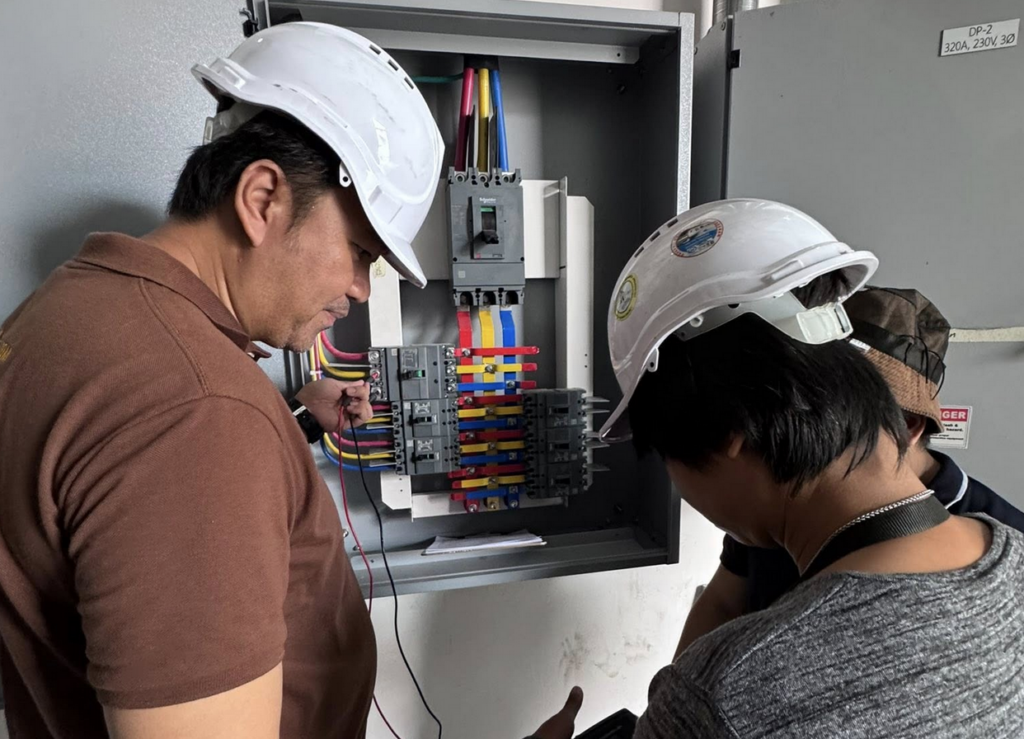
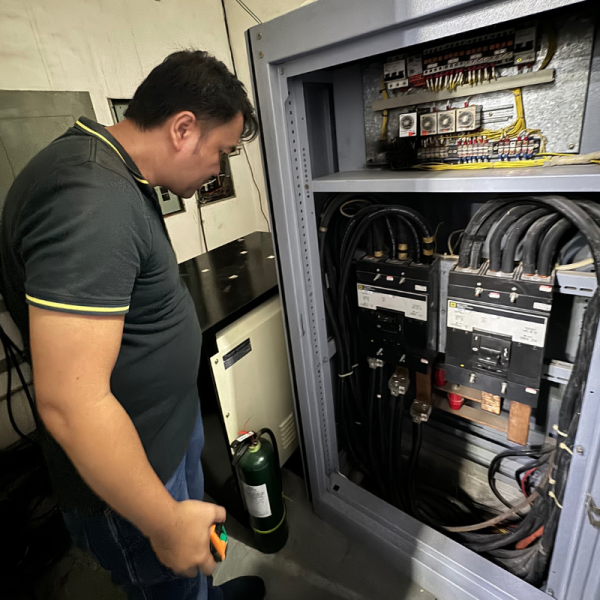
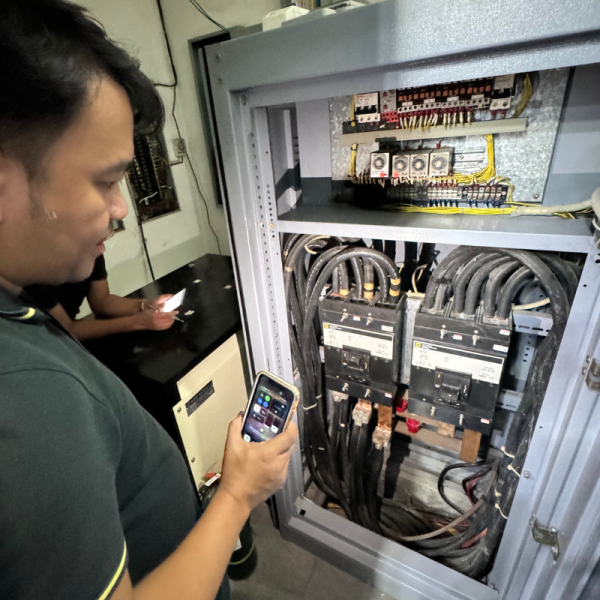
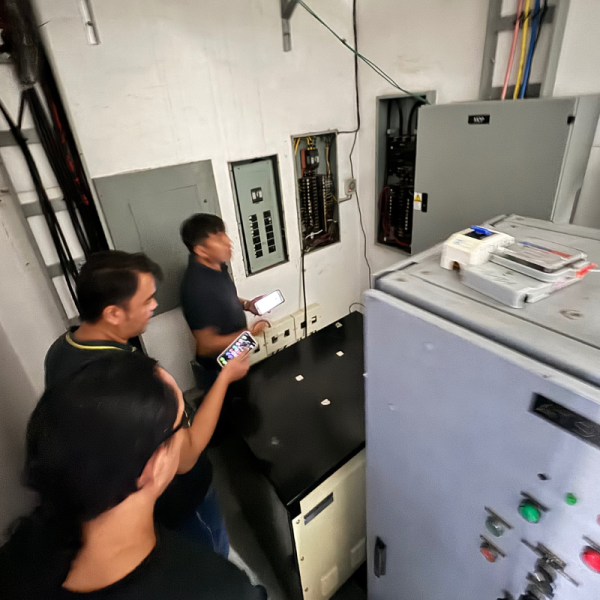
2. Site Inspection and Measurement
Auditors assess:
Electrical systems
Lighting
Motors and drives
HVAC systems
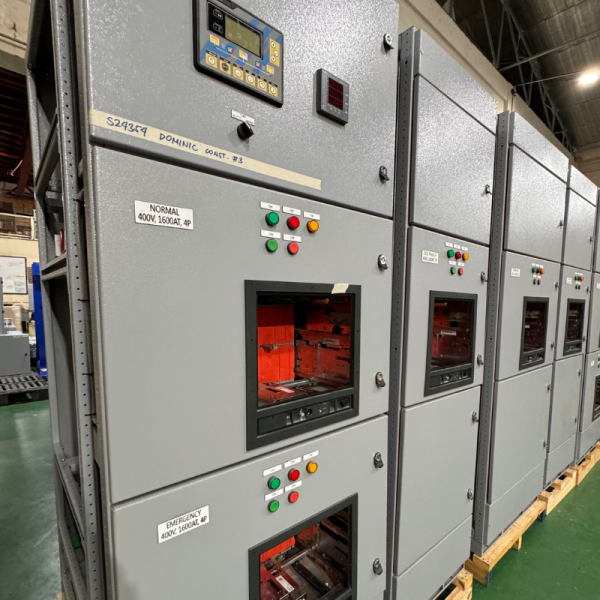
Transformers and distribution equipment
Measurements are taken under actual operating conditions.
3. Energy Loss Identification
Common inefficiencies include:
Overloaded or inefficient equipment
Power factor issues
Heat loss
Idle or oversized systems
Poor operational practices
4. Energy Saving Opportunity (ESO) Analysis
Each opportunity is evaluated based on:
Energy savings potential
Implementation cost
Return on investment (ROI)
Payback period
5. Energy Audit Report and Recommendations
The final report provides:
Clear findings
Prioritized action plans
Technical and financial analysis
Short-term and long-term strategies
This report becomes a roadmap for energy efficiency.
Common Findings in Certified Energy Audits
Based on real-world audits, common issues include:
Inefficient lighting systems
Underutilized or oversized motors
Poor power factor
Electrical losses due to loose connections
Lack of preventive maintenance
Outdated equipment
Many of these issues can be corrected with minimal investment.
Benefits of a Certified Energy Audit for Philippine Businesses
Reduced electricity costs
Improved operational efficiency
Better equipment performance
Compliance with DOE requirements
Lower carbon footprint
Improved safety and reliability
Informed investment decisions
Long-term cost control
Energy audits turn energy from a fixed expense into a manageable resource.
Certified Energy Audit vs Regular Energy Review
Regular Review
General observations
No certification
Limited technical depth
Certified Energy Audit
Engineering-based analysis
DOE-compliant methodology
Actionable and measurable results
Certification ensures credibility and effectiveness.
How Certified Energy Audits Support Electrical PMS
Energy efficiency and reliability go hand in hand.
When combined with Electrical Preventive Maintenance (PMS):
Energy losses are reduced
Electrical failures decrease
Equipment lifespan increases
Maintenance becomes predictive
ETCZ Corp integrates energy audits with PMS for maximum value.
Can a Certified Energy Audit Be Done Without Disrupting Operations?
Yes.
Most audits are conducted:
During normal operations
With minimal or no downtime
Using non-invasive measurement tools
Any required shutdowns are planned and coordinated to minimize impact.
Why Choose ETCZ Corp for Certified Energy Audits
ETCZ Corp provides:
Certified and experienced energy auditors
Licensed electrical engineers
Industrial and commercial expertise
DOE-aligned audit methodologies
Clear, practical recommendations
We focus on real savings, not just reports.
What’s Included in ETCZ Corp Certified Energy Audit Services
Energy consumption analysis
Electrical system evaluation
Equipment efficiency assessment
Load and power quality review
Energy saving opportunity identification
Financial and ROI analysis
Detailed audit reporting
Energy Audit Frequently Asked Questions
Yes, for certain large energy users under DOE regulations.
From a few days to several weeks, depending on facility size.
Many facilities achieve 10–30% energy cost reduction.
Only DOE-certified or qualified energy auditors.
Gallery
Your Partner for Electrical Success
Whether you are looking to design a new system, optimize an existing one, or address specific challenges, ETCZ Corp\u2019s electrical engineering services are your trusted solution. From initial planning to final implementation, we work closely with you to deliver efficient, reliable, and cost-effective results.
Have any queries?
We're here to help.
- #52 M.L Quezon St. Villa Ligaya Subdivision Barangay Dela Paz, Antipolo City
- 09778411839
- [email protected]