

Where to Buy Quality Electrical Wires and Cables in Antipolo and Rizal Province: The Complete 2026 Buyer's Guide
Why Where You Buy Electrical Wire Matters More Than You Think
Every year, fires caused by substandard electrical wiring destroy homes, businesses, and lives across Rizal Province and Metro Manila. The Bureau of Fire Protection (BFP) consistently lists faulty electrical wiring among the top three causes of structure fires in CALABARZON — and many of those fires start with wire that was cheap, unbranded, or counterfeit, purchased from an unvetted source.
Here is the uncomfortable truth: not all electrical wire sold in the Philippines is safe. Not all hardware stores carry Bureau of Philippine Standards (BPS)-certified wire. And not all suppliers — whether online or physical — can tell the difference between a PS Mark-certified THHN cable and a reject-grade imitation with the same sticker printed on.
For homeowners, contractors, developers, and engineers working in Antipolo City and across Rizal Province, the question “where should I buy my electrical wire?” is not a minor purchasing decision. It is a safety decision. It is a compliance decision. And — because wire represents 15–30% of typical residential electrical budgets — it is also a significant financial decision.
This comprehensive guide was written by the licensed electrical engineers and energy auditors at ETCZ Corp, based in Antipolo City, Rizal. We have served residential, commercial, and industrial electrical clients across the province and beyond for years. We know the local market, we know the brands, and we know exactly what questions you should be asking before you spend a single peso on electrical cable.
By the end of this article, you will know:
- What types of electrical wire are available locally and which ones PEC requires for specific applications
- What to look for on the packaging, the wire itself, and the supplier’s paperwork before buying
- Which stores, suppliers, and channels in Antipolo and Rizal Province are worth your time
- Current 2026 market price ranges for common wire sizes in Philippine Peso
- The top Philippine wire brands recommended by electricians
- Ten common buying mistakes to avoid
- How to calculate how much wire your project actually needs
- Complete FAQ with answers to the most-searched wire-buying questions in the Philippines
Let’s start at the foundation.
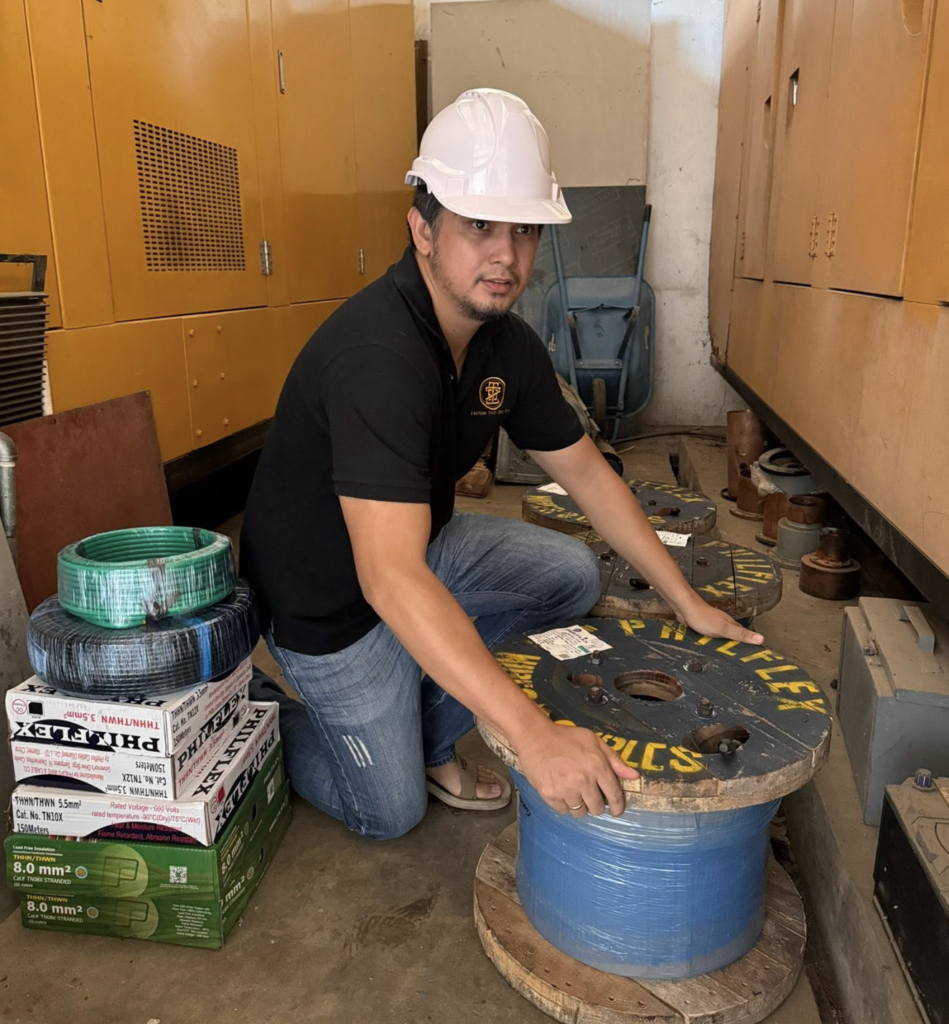
Section 1: Rizal Province’s Electrical Market — Why It’s Booming (and Why That Creates Risk)
The Construction Surge in CALABARZON
The Philippines hosts key manufacturing hubs for electrical wires, primarily in industrial regions offering logistical and cost advantages — and the CALABARZON region (Cavite, Laguna, Batangas, Rizal, Quezon) dominates production, with Batangas emerging as a critical cluster.
But Rizal Province is not just a wire-manufacturing region — it is one of the fastest-growing construction and urbanization corridors east of Metro Manila. Antipolo City, now the most populous city in Rizal, has seen explosive growth in:
- Residential subdivisions and condominiums along Sumulong Highway, Marcos Highway, and the Circumferential Road corridor
- Commercial establishments including retail centers, restaurants, hospitals, and schools expanding from the Masinag–Cogeo axis into deeper Antipolo
- Light industrial and warehouse facilities in Cainta, Taytay, and Angono serving Metro Manila’s e-commerce and logistics boom
- Government infrastructure including road, water, and public building projects under national and LGU programs
Each of these projects requires significant volumes of electrical wire and cable. That demand is being met by a mix of legitimate, certified suppliers and a troubling number of substandard products that enter the supply chain through online platforms, informal resellers, and unverified hardware stores.
Local demand is fueled by construction and infrastructure projects under the government’s “Build Better More” program. That demand spike is a green light for both quality suppliers and unscrupulous sellers. Knowing how to tell them apart is not optional — it is essential.
The Hidden Cost of the Wrong Wire
A homeowner who saves ₱5,000 by buying cheap, uncertified wire for a 3-bedroom house may face:
- Electrical fires within 3–7 years as insulation degrades ahead of schedule
- Failed MERALCO or local distribution utility (DU) inspection, blocking energization
- Rejection by the local building official during electrical permit inspection
- Insurance claim denial if fire is traced to non-compliant wiring
- The full cost of rewiring — often ₱80,000 to ₱250,000+ for a standard residential unit
The math is clear: buy right the first time.
Section 2: Types of Electrical Wire Available in Antipolo and Rizal
Before you know where to buy, you need to know what to buy. Here is a practical overview of the wire types you will encounter in local stores across Rizal Province, and where each one belongs.
2.1 THHN/THWN-2 Building Wire (The Most Common Type)
THHN wire (Thermoplastic High Heat-resistant Nylon-coated) is a type of electrical wire that is versatile enough to be used across residential, commercial, and industrial settings. It is designed to endure extreme temperatures while ensuring consistent electrical conductivity, making it perfect for both indoor and outdoor installations.
In the Philippines, THHN and THWN-2 are frequently dual-rated and sold under the combined designation “THHN/THWN-2.” This is the wire you will find most commonly in:
- Residential branch circuits (#14 AWG and #12 AWG most frequently)
- General-purpose commercial wiring
- Conduit runs in dry and damp locations
- Feeder cables from panel boards to subpanels
This type of wire is widely used by electricians, contractors, and homeowners for electrical installations that require high performance and safety standards.
2.2 THW / TW Wire (Older Standard, Still Found Locally)
TW (Thermoplastic Weather-resistant) and THW (Thermoplastic Heat- and Weather-resistant) are older insulation grades still sold in some local hardware stores. While not inherently unsafe if properly rated, the Philippine Electrical Code (PEC) now favors THHN/THWN-2 for new installations. If a store is pushing TW wire for new construction, that is a warning sign — either their stock is outdated or they are selling a downgrade.
2.3 XLPE Power Cables (For Industrial and Heavy Commercial Use)
Cross-Linked Polyethylene (XLPE) insulated cables offer superior thermal stability, moisture resistance, and mechanical durability compared to thermoplastic wires. They are the appropriate specification for:
- Industrial plant feeders and motor circuits
- Underground distribution systems
- Power utility service entrance cables
- High-load commercial applications above 600V (MV-grade XLPE)
XLPE is not typically stocked in standard hardware stores. You need a specialty electrical supply company — like ETCZ Corp — to source proper XLPE cables with the correct voltage rating, conductor size, and certification for your application.
2.4 Royal Cord / Flexible Cords
Often called “extension cord wire,” royal cord (RVV or similar flexible multi-conductor cable) is designed for temporary or portable connections — not for permanent fixed wiring. A disturbingly common mistake in Rizal Province is using royal cord inside walls as permanent branch circuit wiring. This is a PEC violation and a fire hazard.
2.5 Duplex, Triplex, and Service Entrance Cables
These pre-bundled cable assemblies are used for service entrances (from the utility pole/transformer to the main panel) and certain overhead or underground service runs. They require specific certifications and are typically sourced through electrical contractors or direct supplier relationships, not general hardware stores.
Section 3: The 5-Point Checklist Before You Buy Electrical Wire in the Philippines
Regardless of where you shop in Antipolo or Rizal Province, run every wire purchase through this checklist before releasing payment.
✅ Check 1: PS Mark Certification
The Philippine Standard (PS) Mark, issued by the Bureau of Philippine Standards (BPS) under the Department of Trade and Industry (DTI), is the primary certification marker for electrical wire sold in the Philippines. Manufacturers committed to quality pursue ISO 9001:2015 and PS Mark certification — both are markers of compliance with Philippine national standards.
What to look for: The PS Mark should appear on the wire packaging, the wire surface markings (embossed or printed), and the coil/spool label. If a supplier cannot show you the PS Mark, do not buy.
✅ Check 2: Import Commodity Clearance (ICC) for Imported Wire
If the wire was imported rather than locally manufactured, it must carry an Import Commodity Clearance (ICC) from the BPS — the equivalent of the PS Mark for imported goods. Imported wire without ICC is technically illegal to sell in the Philippines and has not been inspected to local standards.
✅ Check 3: Clear Surface Markings on the Wire Itself
Legitimate PEC-compliant wire must have the following information printed or embossed directly on the wire insulation at regular intervals:
- Manufacturer name or trademark
- Wire type designation (e.g., THHN, THWN-2)
- Conductor material (Cu for copper, Al for aluminum)
- Conductor size (AWG or mm²)
- Voltage rating (e.g., 600V)
- Country of origin
Missing or smudged markings are a red flag. Counterfeit wire frequently has incomplete or incorrect markings.
✅ Check 4: Actual Copper Content (Weight and Diameter)
One of the most pervasive forms of wire fraud in the Philippine market is “light wiring” — wire sold as #12 AWG that is actually wound to #14 AWG specifications, or wire with a smaller-than-spec copper conductor padded by a thicker insulation jacket to look full-sized.
Ask your supplier for a cross-section sample or verify the actual conductor diameter with a digital caliper. For reference:
| AWG Size | Nominal Diameter (mm) | Nominal Weight (approx., pure Cu, per meter) |
|---|---|---|
| #14 AWG | 1.63 mm | ~13 g/m |
| #12 AWG | 2.05 mm | ~19 g/m |
| #10 AWG | 2.59 mm | ~33 g/m |
| #8 AWG | 3.26 mm | ~53 g/m |
| #6 AWG | 4.11 mm | ~84 g/m |
Reputable suppliers will not object to verification. Suspect ones will.
✅ Check 5: Supplier Credentials
Your wire supplier should be able to present, on request:
- Their DTI or SEC business registration
- Supplier agreements or distributorship papers from the wire manufacturer
- A track record of supplying licensed electrical contractors and engineers
A legitimate specialist electrical supplier — as opposed to a general hardware store — will have all of these. ETCZ Corp, for example, maintains direct sourcing relationships with certified Philippine wire manufacturers and can provide full product documentation for every cable specification we supply.
Section 4: BPS Standards and Philippine Electrical Code Compliance
What the PEC Requires
The Philippine Electrical Code (PEC), based on the 2017 edition of the NEC (NFPA 70) and published in the Philippines through the Institute of Integrated Electrical Engineers (IIEE) in collaboration with the Board of Electrical Engineering (BEE) under the Professional Regulation Commission (PRC), governs all electrical installations in the country.
Key PEC requirements relevant to wire purchasing decisions:
Minimum wire sizes for residential circuits:
- Lighting circuits: #14 AWG minimum (THHN/THWN-2, copper)
- Small appliance circuits (kitchen, dining, laundry): #12 AWG minimum
- Individual appliance circuits (air conditioners, water heaters): Size per load calculation — typically #10 AWG to #6 AWG
- Service entrance conductors: Engineered per total connected load
Wiring methods allowed in Rizal Province’s typical residential construction:
- EMT (Electrical Metallic Tubing) conduit — most common in concrete construction
- PVC conduit — acceptable for concealed runs, not for exposed locations subject to physical damage
- IMC (Intermediate Metal Conduit) — for exposed or outdoor runs
- Cable tray — for commercial/industrial applications
Critical note: The wire must be rated for the wiring method. THHN/THWN-2 is approved for all of the above. Flexible cord (royal cord) is not approved as a substitute for fixed wiring under any wiring method.
What the BPS Mark Actually Certifies
The PS Mark on electrical wire certifies that the product has been tested against Philippine National Standards (PNS) for:
- Conductor material purity and cross-section dimensions
- Insulation material composition and thickness
- Dielectric (voltage withstand) strength
- Flame retardancy
- Heat resistance within the rated temperature range
It does not certify the installation workmanship or the circuit design — those are the responsibility of the licensed electrical engineer or master electrician overseeing the project.
Section 5: Where to Buy Electrical Wire in Antipolo City — A Local Supplier Guide
Antipolo City, as the capital and most populous city of Rizal Province, has the widest selection of electrical supply options in the area. Here is a breakdown of the types of sources available and what each is suited for.
5.1 Specialty Electrical Supply Companies and Contractors
This is the highest-quality, most reliable source for electrical wire in Antipolo. Specialty companies differ from general hardware stores in several important ways:
- They carry a wider selection of wire types, sizes, and specifications
- Their staff include or consult with licensed electrical engineers
- They can provide full product documentation (PS Mark certificates, manufacturer data sheets, ICC for imported cables)
- They can assist with bill of materials (BOM) preparation and cable sizing per PEC load calculations
- They often offer project-based pricing and contractor accounts for repeat buyers
ETCZ Corp — located in Antipolo City — is a prime example of this category. With over 30 years of combined electrical engineering experience, a team of licensed electrical engineers and certified energy auditors, and direct manufacturer relationships, ETCZ Corp goes beyond just selling wire. We help clients select the right wire, in the right quantity, at the right specification — backed by technical consultation at no additional charge.
Whether you need 20 meters of #12 THHN for a room addition or 2,000 meters of 100mm² XLPE for an industrial feeder, ETCZ Corp sources and verifies it.
5.2 Specialty Hardware Stores with Electrical Departments
Several established hardware stores in Antipolo carry electrical wire alongside general construction supplies. These include:
RMC Home Hardware & Electrical Supply — located at 28 Circumferential Road, Brgy. Dalig, Antipolo City, this is an established local hardware and electrical supply store serving the Dalig–Cogeo corridor.
Jesna Hardware Lumber & Electrical Supply — located at 38 J. Sumulong Street, San Jose, Antipolo, Rizal, serving the Sumulong Highway area.
FC Hardware & Electrical Supply — located at 52 M. Santos Cor P. Burgos, Antipolo, open Monday through Saturday with Sunday half-day hours.
JS Vega Hardware and Construction Supply — a supplier of hardware and construction supply in Antipolo, serving general contractors and homeowners.
Important caveat: When buying from a general hardware store rather than a specialty electrical supplier, always verify PS Mark compliance independently, check conductor dimensions, and confirm the wire type matches your PEC requirement. Hardware store staff — while helpful for general inquiries — are not always trained to distinguish PEC-compliant wire from non-compliant alternatives.
5.3 Major Hardware Chains in Antipolo
Well-known hardware chains operating in Antipolo include Wilcon Builder’s Depot, Federal Hardware Builder’s Center, and Ace Hardware (located at SM City Masinag along Marcos Highway).
Wilcon Builder’s Depot is consistently the largest hardware retail presence in Antipolo and carries a respectable selection of electrical wire from reputable Philippine brands. Wilcon is noted for being completely stocked — tiles, bathroom stuff, kitchen stuff, garden tools, locks, and more, all under one roof. Their electrical section, while broad in SKU count, is oriented toward retail consumers and light contractors rather than professional electrical procurement.
Ace Hardware (SM City Masinag) caters to the premium consumer segment and carries internationally recognized brands. Prices here tend to be higher than specialty electrical suppliers, but product quality control is generally reliable for standard-size residential wire.
Federal Hardware Builder’s Center is another broad-range hardware retailer in the area, with an electrical section suited for standard residential and light commercial needs.
When to use a chain hardware store vs. a specialist supplier:
| Purchase Type | Recommended Source |
|---|---|
| 1–5 meters for minor repairs | Chain hardware / local hardware store |
| Full room or unit wiring (#14–#10) | Chain hardware or specialty supplier |
| Panel feeders, large commercial runs | Specialty supplier (ETCZ Corp) |
| Industrial cables (XLPE, MV-grade) | Specialist only |
| Project BOM + PEC compliance verification | Specialist only |
| Urgent bulk procurement (same-day) | Specialty supplier with stock |
Section 6: Electrical Wire Supply Sources Across Rizal Province
Rizal Province is not just Antipolo. The province includes 13 municipalities and 1 city, each with its own construction activity and local supply infrastructure. Here is a geographic breakdown of key purchasing zones.
6.1 Cainta and Taytay
Cainta and Taytay, bordering Pasig City and Marikina, are among Rizal Province’s most urbanized municipalities. They host significant commercial construction, medium-rise residential development, and light industrial facilities along Felix Avenue and the Ortigas Extension corridor.
Electrical supply options here tend to be well-stocked for standard residential and commercial wire, given proximity to Metro Manila distribution networks. Buyers should still verify PS Mark compliance — the proximity to Metro Manila also means more counterfeit product flows through this corridor.
For larger projects in Cainta or Taytay, sourcing through a specialist like ETCZ Corp (with delivery capability to your project site in Rizal Province) gives you the dual benefit of a verified product and professional sizing consultation.
6.2 Angono and Binangonan
These municipalities along Laguna de Bay are growing in light industrial activity — fishing industry support facilities, food processing, and logistics. XLPE power cables and heavier-gauge THHN feeders are more commonly specified here than in purely residential zones.
General hardware stores in these towns may not stock the heavier specifications required. Project procurement from an Antipolo-based specialist supplier with province-wide delivery capability is typically more efficient for industrial projects in this zone.
6.3 Morong, Tanay, Teresa, and Baras
These eastern Rizal municipalities are experiencing growing residential subdivision development as Metro Manila residents seek more affordable housing. THHN/THWN-2 residential wire is the primary specification needed here.
However, local hardware store selection in these areas can be limited in terms of certified product availability. Homeowners and contractors managing projects in this area should plan procurement carefully — buying from a reputable Antipolo-based supplier and transporting to site is often more reliable than depending on local stock.
6.4 Rodriguez (Montalban) and San Mateo
The Rodriguez–San Mateo corridor in northern Rizal is growing rapidly in residential and agro-industrial use. THHN/THWN-2 residential wire dominates the specification profile here. San Mateo, in particular, has experienced significant mid-rise condominium and mixed-use development that requires professional electrical procurement with proper documentation.
Section 7: Philippine Wire Brands Trusted by Rizal Province Electricians
One of the most important decisions you make at the point of purchase is which brand to buy. Here is a guide to the reputable, PS Mark-certified Philippine wire manufacturers whose products should be in your specification.
7.1 Phelps Dodge Philippines (PDC)
One of the most recognized wire brands in the Philippine professional electrical sector, Phelps Dodge is frequently specified by consulting electrical engineers for medium-to-large commercial and industrial projects. PDC wire is available through authorized distributors and specialty suppliers — it is not always found in general hardware stores.
7.2 AmWire (American Wire Manufacturing Inc.)
AmWire is described as a leading electrical wire supplier and manufacturer in the Philippines, offering high-quality cables and wires. AmWire products are sold through both direct supply channels and authorized hardware distributors across CALABARZON.
7.3 Orion Wire & Cable, Inc.
Orion Wire & Cable is ISO 9001:2015 certified and PS Mark certified, and has documented project experience in Antipolo itself — including Filinvest Land Antipolo developments. Their commitment to local quality standards and track record in the Rizal market makes them a trusted choice for builders and contractors in the area.
7.4 Columbia Wire & Cable Corporation (CWCC)
Columbia Wire and Cable Corporation is an organization engaged in the manufacture of electric wire and cable products with decades of operation in the Philippine market. CWCC is a well-regarded source for both building wire and power cables.
7.5 Unicon Wires
Unicon Wires is an electric wire supplier in the Philippines serving developers, contractors, construction businesses, cooperatives, and utility companies. Their broad customer base across the professional construction sector is a mark of consistent product quality.
7.6 Megawire
Established in 1995 in Valenzuela City, Megawire has grown from a modest startup and positions itself around making safe and affordable quality products. Megawire is a value-oriented brand with reasonable retail availability across the Philippines.
7.7 ROYU
ROYU THHN/THWN wire is one of the most widely distributed residential wire brands in the Philippines and is commonly available at hardware stores across Rizal Province in standard sizes (#14, #12, #10, #8, and #6 AWG stranded configurations).
Quick Brand Recommendation by Application
| Application Type | Recommended Brands |
|---|---|
| Residential branch circuits | ROYU, AmWire, Megawire |
| Light commercial wiring | AmWire, Orion, Columbia (CWCC) |
| Heavy commercial feeders | Phelps Dodge, Unicon, Orion |
| Industrial power cables (XLPE) | Phelps Dodge, Columbia (CWCC), Unicon |
| Service entrance cables | Phelps Dodge, Unicon |
Section 8: Electrical Wire Prices in Antipolo and Rizal Province — 2026 Market Guide
Understanding local market pricing helps you evaluate quotes from suppliers and hardware stores accurately. Here is a reference price table based on current Philippine market data for THHN/THWN-2 copper wire.
8.1 THHN/THWN-2 Copper Wire — Price Guide 2026
THHN wire prices can vary depending on size and length, and on average can cost around ₱18.00 to ₱3,092.00 per meter, with the range reflecting everything from #14 AWG solid wire to large 500mm² power cable.
| Wire Size | Common Application | Approx. Price Range (per meter) | Notes |
|---|---|---|---|
| #14 AWG (2.0mm²) | Lighting circuits | ₱18 – ₱28 | Most affordable, minimum for lighting PEC |
| #12 AWG (3.5mm²) | Small appliance circuits | ₱28 – ₱45 | Standard for kitchen/laundry per PEC |
| #10 AWG (5.5mm²) | AC circuits, 20A branch | ₱45 – ₱75 | Commonly required for 1.5 HP aircon |
| #8 AWG (8.0mm²) | 30A circuits, small feeders | ₱85 – ₱135 | Dryer circuits, larger AC units |
| #6 AWG (14.0mm²) | 50A circuits, panel feeders | ₱140 – ₱225 | Sub-panel feeds, large loads |
| #4 AWG (22.0mm²) | 70A feeders | ₱220 – ₱360 | Medium commercial sub-feeds |
| #2 AWG (35.0mm²) | 100A service feeders | ₱360 – ₱550 | Residential service entrance |
| #1/0 AWG (50.0mm²) | 150A+ commercial feeders | ₱550 – ₱850 | Light commercial services |
| #4/0 AWG (100mm²) | 250A+ heavy commercial | ₱1,100 – ₱1,800 | Industrial feeders |
| 250mm²+ | Industrial power | ₱1,800 – ₱3,092+ | Specialist procurement required |
Note: Prices are indicative reference ranges for Philippine market conditions as of mid-2026. Actual prices vary by brand, copper commodity price, order quantity, and supplier. VAT and delivery not included. Contact ETCZ Corp for a current project quotation.
8.2 Why Wire Prices Fluctuate
Electrical wire prices in the Philippines are directly tied to the global price of copper, which is traded in US dollars on the London Metal Exchange (LME). When the peso weakens against the dollar, or when global copper demand rises (driven by EV production, renewable energy buildout, or infrastructure spending), Philippine wire prices rise accordingly — sometimes by 10–25% within a single quarter.
This is why locking in supplier quotes for large projects is important. ETCZ Corp can provide fixed-price quotations for project supply orders, protecting your budget from mid-project copper price movements.
8.3 The True Cost of Cheap Wire
If you see THHN #12 AWG priced at ₱15/meter when the market rate is ₱35–45/meter, the wire is almost certainly:
- Under-gauge (smaller actual copper cross-section than labeled)
- Made with copper-clad aluminum (CCA) instead of pure copper — which has different resistance and ampacity characteristics
- Non-PS Mark certified
- Counterfeit or reject-grade
Saving ₱20 per meter on 500 meters of wire is a ₱10,000 savings that can cost you ₱150,000 in rewiring — or worse. Always buy from a verified supplier, always check the PS Mark, and always be suspicious of prices significantly below market.
Section 9: Buying Electrical Wire Online in the Philippines — What You Need to Know
Online marketplaces like Lazada and Shopee have made electrical wire purchase significantly more accessible across Rizal Province. But online buying comes with unique risks that do not apply to face-to-face purchases from a vetted supplier.
9.1 Legitimate Online Purchases
Some of the best use cases for online electrical wire purchase include:
- Ordering from the official brand stores of recognized Philippine wire manufacturers (Phelps Dodge, AmWire, ROYU) directly through the platform
- Reorder purchasing when you have already verified a supplier offline and simply need a convenient repeat order
- Price comparison for budgeting purposes (always verify offline before committing)
9.2 Online Red Flags
Be extremely cautious of online wire listings that:
- Show no PS Mark or product certification mention in the description
- List brand names that do not match any recognized Philippine wire manufacturer
- Show prices 30–50% below typical market rates
- Have no verifiable seller information, physical address, or DTI registration
- Use stock photos rather than actual product images
- Have reviews that do not mention professional electrical use
9.3 The Professional Buyer’s Approach
For any project requiring more than incidental quantities of wire (say, more than 50 meters total), the professional approach is:
- Get a proper bill of materials from a licensed electrical engineer
- Request quotations from 2–3 verified suppliers (including specialist suppliers like ETCZ Corp)
- Verify the PS Mark and product certification before approving the purchase
- Accept delivery with a visual inspection and spot-check of conductor dimensions
- Keep documentation for permit filing and insurance purposes
Section 10: How to Calculate How Much Electrical Wire You Need
One of the most common questions from homeowners and small contractors in Antipolo and Rizal Province is: “How much wire do I actually need?” Here is a practical framework.
10.1 Basic Estimation Method
For a typical residential room:
- Measure the room perimeter (length + width × 2)
- Add ceiling height (for vertical runs from switch to ceiling box, and from outlet to floor/ceiling)
- Add 20% for routing, bending, and panel termination slack
- Multiply by the number of circuits (lighting and outlets are typically on separate circuits per PEC)
Example — 4m × 5m bedroom:
- Perimeter: 18 linear meters
- Ceiling height runs (2 switches, 4 outlets): ~16 meters
- Subtotal: 34 meters
- Add 20% buffer: ~41 meters per circuit
- Two circuits (lighting + outlets): ~82 meters of #14 AWG + #12 AWG respectively
This is a rough estimate. An accurate bill of materials requires a proper electrical layout drawing and load schedule — which ETCZ Corp’s licensed engineers can prepare for your project.
10.2 Common Project Wire Quantity Reference
| Project Type | Typical Wire Requirement | Notes |
|---|---|---|
| 3-bedroom residential house | 300–600 meters total mixed sizes | Varies with floor plan and appliance load |
| Commercial space (100–300 sqm) | 500–2,000 meters | Depends heavily on load density |
| Restaurant / food service | 800–3,000 meters | High equipment load, many dedicated circuits |
| Small warehouse (500 sqm) | 500–1,500 meters | Lighting + utility outlets + feeder |
| Industrial plant (1,000+ sqm) | Engineer-designed BOM required | XLPE and heavy THHN; specialist procurement |
10.3 Always Order a Contingency Buffer
Standard practice in Philippine electrical construction is to add 10–15% contingency to your estimated wire quantity. Wire offcuts and installation waste are unavoidable. Running out of wire mid-installation causes delays, and a second order from a different batch can have minor conductor diameter or insulation thickness variations that complicate splicing and termination.
Buy in one verified batch from one verified supplier whenever possible.
Section 11: Common Buying Mistakes to Avoid in Antipolo and Rizal Province
Based on ETCZ Corp’s years of electrical service experience in Rizal Province, these are the most frequently observed electrical wire purchasing errors:
Mistake 1: Buying wire before knowing the circuit specification
Wire size cannot be chosen without knowing the circuit’s ampere load, run length (voltage drop check), and wiring method. Always calculate first, buy second.
Mistake 2: Choosing the cheapest available option
As discussed in Section 8, abnormally low prices are a direct indicator of substandard product. Electrical wire is not an area to optimize for lowest unit cost.
Mistake 3: Confusing royal cord for branch circuit wire
Royal cord is extension cord material. It is not PEC-approved for fixed wiring inside walls, ceilings, or conduits for permanent circuits.
Mistake 4: Ignoring color coding requirements
The PEC specifies wire insulation color codes for phase conductors (black, red, blue for three-phase; black or red for single-phase), neutral (white or gray), and ground (green or bare). Mixing up colors causes inspection failures and, in the worst case, dangerous wiring errors.
Mistake 5: Not accounting for conduit fill capacity
If you are pulling multiple wires through a single conduit, the PEC limits how many conductors can share a conduit based on conductor size and conduit internal diameter. Overfilling a conduit is a code violation and causes heat buildup. Your electrical engineer should calculate conduit fill as part of the design.
Mistake 6: Buying wire without checking for local stock of matching accessories
Wire alone does not make a circuit. Conduits, fittings, junction boxes, panel breakers, and wire connectors must all be compatible. Buy from a supplier who can supply the full system, not just the wire.
Mistake 7: Not verifying the supplier’s return policy for overstock
Estimating errors happen. Before buying, confirm whether your supplier accepts returns or exchanges for unopened rolls of wire. A reputable supplier will have a clear policy.
Mistake 8: Accepting wire without checking the packaging seal
Legitimate wire comes in factory-sealed coils with a full-wrap label showing brand, wire type, size, voltage rating, length, and PS Mark. Repackaged or unbranded wire presented loose or in generic packaging should not be purchased.
Mistake 9: Using aluminum wire for branch circuits
Aluminum conductors are sometimes used for service entrance cables and large feeder applications where engineered connections are made. They are not appropriate for standard residential branch circuits due to expansion/contraction issues at terminations. Always use copper for branch circuit wiring in Philippine residential applications.
Mistake 10: Skipping the electrical engineer
In the Philippines, the design and supervision of electrical installations above a certain threshold must be performed by a licensed electrical engineer under Republic Act 7920 (New Electrical Engineering Law). Buying wire without a proper electrical design from a licensed professional puts your project at risk of permit rejection, inspection failure, and safety hazards.
Section 12: Working with a Licensed Electrical Contractor in Rizal Province
Why the Supplier-Contractor Relationship Matters
The best electrical wire purchase decision is often made not at the hardware counter, but at the design table — with a licensed electrical engineer reviewing your load schedule, specifying the correct wire sizes, and sourcing materials from verified suppliers with full PEC-compliance documentation.
In Rizal Province, the building permit process for electrical work requires:
- A signed and sealed electrical plan by a licensed electrical engineer (for buildings above a certain floor area — check with your local building official)
- A bill of materials that references wire type, size, and specification
- Compliance with the PEC on all wiring methods, wire sizes, and protection devices
ETCZ Corp provides end-to-end electrical engineering services in Antipolo and across Rizal Province, including:
- Electrical system design and load scheduling
- PEC-compliant material specification and sourcing
- Electrical permit processing assistance
- Site supervision during installation
- Energy audit and power quality assessment for existing facilities
When you work with ETCZ Corp, your wire purchase is not a guess — it is an engineered decision backed by calculation, certification, and professional accountability.
Section 13: Special Considerations for Rizal Province’s Climate
The Tropical Environment Factor
Rizal Province’s climate presents specific challenges that influence wire specification and sourcing decisions:
High ambient temperature: Antipolo and the surrounding upland areas can experience ambient temperatures of 28–36°C regularly. THHN/THWN-2 wire is rated for 90°C operation in dry locations and 75°C in wet locations — more than adequate for Philippine ambient conditions. Lower-rated wire (e.g., TW, rated 60°C) has a reduced ampacity in high-ambient environments.
Monsoon season humidity and flooding: Low-lying areas of Rizal Province (parts of Cainta, Taytay, areas near Laguna de Bay) experience seasonal flooding. For any installation in flood-prone areas, THWN-2 (wet location rated) is mandatory rather than optional, and conduit sealing, box placement, and panel elevation must all account for potential water intrusion.
Typhoon wind loading: Overhead conductors and exposed raceways in Rizal Province must be designed to withstand typhoon-force winds (wind zone classification per the Philippine building code). This affects service entrance conductor selection and outdoor conduit mounting specifications more than internal wiring, but your electrical engineer must account for it.
Corrosive environments near industrial zones: Areas near food processing facilities, chemical storage, or the coastal lakeshore of Laguna de Bay may benefit from XLPE-insulated cables over thermoplastic alternatives for exposed or embedded runs — XLPE’s superior chemical resistance is a meaningful advantage in these environments.
Section 14: Quick Reference — Where to Buy, What to Ask, What to Check
The Antipolo/Rizal Buyer’s Checklist
Before you visit any supplier:
- Know your wire type required (THHN/THWN-2, XLPE, etc.)
- Know your wire sizes and quantities (from a proper electrical design)
- Know whether the installation is dry, damp, or wet location
- Set your budget with realistic market price expectations
At the store or with the supplier:
- Ask for the PS Mark certificate or ICC for the specific product
- Check the wire surface markings (type, size, voltage, manufacturer)
- Ask for a cross-section sample or verify conductor diameter
- Verify the supplier has DTI/SEC registration
- Confirm the return/exchange policy for unopened rolls
For large projects:
- Request a formal quotation with itemized specifications
- Confirm delivery timeline and minimum order quantities
- Ask whether a licensed electrical engineer can review your BOM
- Verify the supplier can provide documentation for permit filing
Frequently Asked Questions
The best place to buy electrical wire in Antipolo City is from a licensed electrical supply specialist who can provide PS Mark-certified products with full documentation, rather than a general hardware store. For projects requiring PEC-compliant wire with engineering support, ETCZ Corp in Antipolo City offers supply, sizing consultation, and project-based procurement with documentation suitable for building permit filing. For small residential repair quantities, established hardware stores along Sumulong Highway and Marcos Highway carry standard-size THHN wire from recognized brands.
The Philippine Electrical Code requires a minimum of #14 AWG (2.0mm²) copper THHN/THWN-2 wire for residential lighting circuits and a minimum of #12 AWG (3.5mm²) for small appliance branch circuits (kitchen, dining, laundry areas). Individual dedicated circuits for air conditioners, water heaters, and other fixed appliances must be sized per the specific appliance load per PEC calculations. Service entrance conductors are sized separately based on total connected load. A licensed electrical engineer should perform these calculations for your project.
THHN (Thermoplastic High Heat-resistant Nylon-coated) is rated for 90°C in dry locations. THWN-2 (Thermoplastic Heat- and Wet-location Nylon-coated) is rated for 90°C in dry locations and 75°C in wet locations. In the Philippine market, most wire sold as “THHN” is dual-rated THHN/THWN-2 — meaning it carries both designations on the surface marking. For Philippine tropical conditions, always verify that your wire carries the THWN-2 rating, especially for any damp or wet location installation. If your project is in a flood-prone area of Rizal Province, THWN-2 is non-negotiable.
Aluminum wire is not recommended for residential branch circuit wiring in the Philippines. While aluminum conductors are acceptable for large service entrance cables and feeder conductors when properly engineered, their use in branch circuit wiring (wall outlets, lighting) causes long-term safety problems due to thermal expansion, oxidation at connection points, and compatibility issues with standard residential terminals. The PEC requires copper conductors for standard branch circuits. Always use copper THHN/THWN-2 for residential wiring throughout Antipolo and Rizal Province.
Gallery
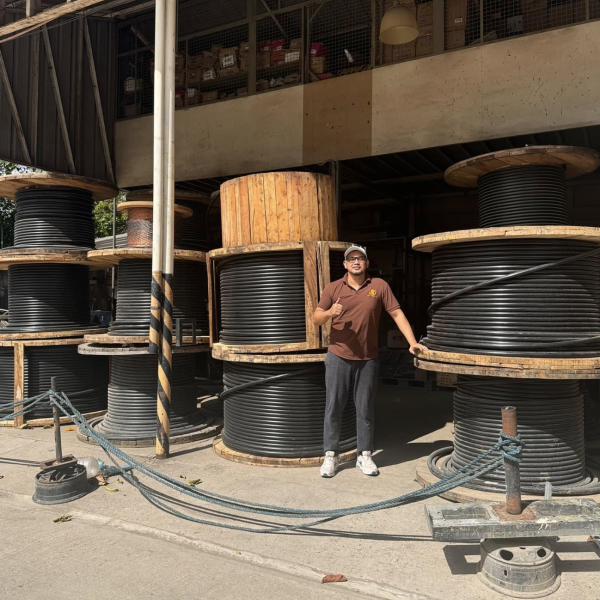
Why Choose ETCZ Corp for Your Electrical Wiring Needs in the Philippines?
At ETCZ Corp, we are not just electricians — we are licensed, certified electrical engineering professionals who are passionate about keeping Filipino homes and businesses safe, efficient, and code-compliant.
Here is what sets ETCZ Corp apart:
✅ Certified Electrical Engineers on every project — not just technicians
✅ FREE consultation before any project begins — we assess your needs before you spend a single peso
✅ PNS-certified materials only — we never compromise on wire quality
✅ Full PEC compliance — every installation is code-correct and documented
✅ Transparent pricing — no hidden charges, no surprises
✅ Residential, commercial, and industrial expertise — we handle it all
✅ Serving Antipolo, Rizal Province, and Metro Manila
✅ Post-installation support — we are with you long after the job is done
Whether you are building a new home in Antipolo, upgrading an aging electrical system in your commercial building, installing a cold storage facility, or planning for solar power integration — ETCZ Corp has the expertise, licensing, and passion to power your project the right way.

ETCZ Corp
Your Trusted Electrical Supply and Engineering Partner in Antipolo, Rizal
Contact ETCZ Corp today for a FREE electrical consultation.
Our Certified Electrical Engineers are ready to assess your project, recommend the right wire types and sizes, and deliver a safe, code-compliant installation that lasts for decades.
🌐 Visit us: etczcorp.com
📍 Location: Antipolo, Rizal — serving Rizal Province and Metro Manila
📬 Message us directly through our website for a FREE quote

Call Now 09778411839
Have any queries?
We're here to help.
- #52 M.L Quezon St. Villa Ligaya Subdivision Barangay Dela Paz, Antipolo City
- 09778411839
- [email protected]