

Why Certified Energy Audits Are Required for Large Commercial and Industrial Facilities
The Step-by-Step Process of a Certified Energy Audit
Many business owners and facility managers know that a certified energy audit is required or highly recommended — but few truly understand what happens during the process.
After more than 30 years working inside factories, commercial buildings, and high-load facilities, one thing is clear: The value of an energy audit depends on how well it is executed.
A proper audit is not a checklist. It is a methodical engineering process that turns raw energy data into clear, cost-saving actions.
At ETCZ Corp, we follow a structured, transparent, and DOE-aligned approach to certified energy audits, ensuring accuracy, compliance, and real results.
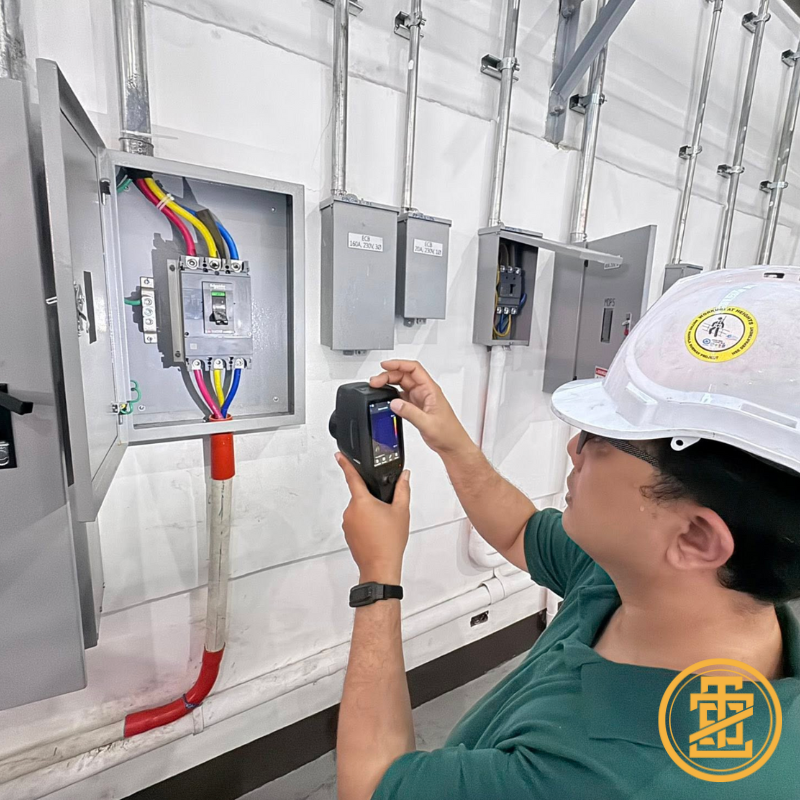
What Is a Certified Energy Audit? (Brief Overview)
A certified energy audit is a professional evaluation of how energy is used within a facility, conducted by qualified energy auditors following Department of Energy (DOE) guidelines.
Its purpose is to:
Measure actual energy consumption
Identify inefficiencies
Recommend practical energy-saving solutions
Support regulatory compliance and long-term planning
Why the Energy Audit Process Matters
Energy audits are only effective when:
Data is accurate
Measurements reflect real operating conditions
Recommendations are realistic and financially sound
A step-by-step process ensures nothing is overlooked and every peso saved is justified.
Step 1: Initial Consultation and Facility Assessment
The process begins with a professional consultation.
At ETCZ Corp, this includes:
Understanding your business operations
Reviewing facility size and electrical load
Identifying compliance requirements
Setting audit objectives
This stage ensures the audit is tailored, not generic.
Step 2: Collection of Energy and Operational Data
Accurate data is the foundation of a certified energy audit.
We gather:
Historical electricity bills
Load demand records
Equipment lists and ratings
Operating schedules
Maintenance records
This establishes the facility’s energy baseline.
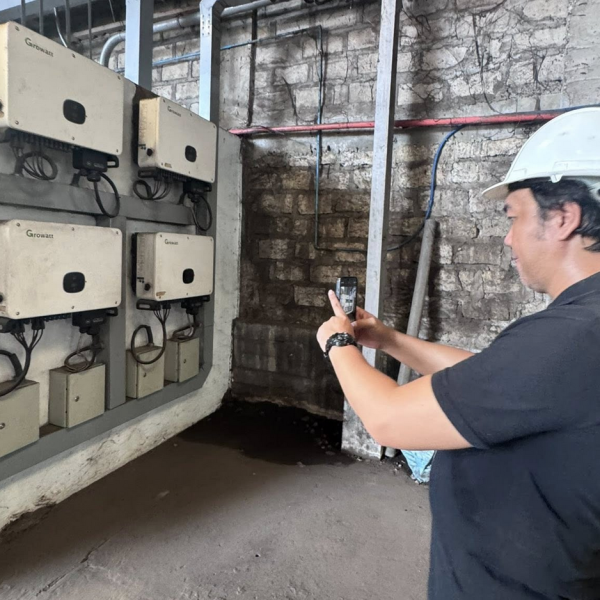
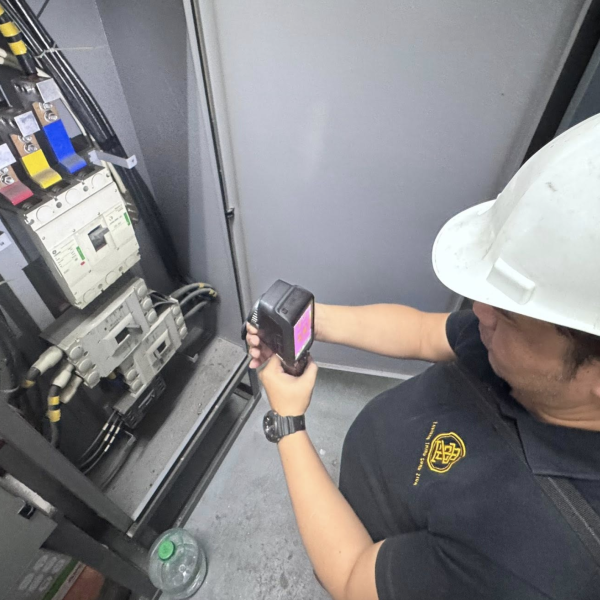
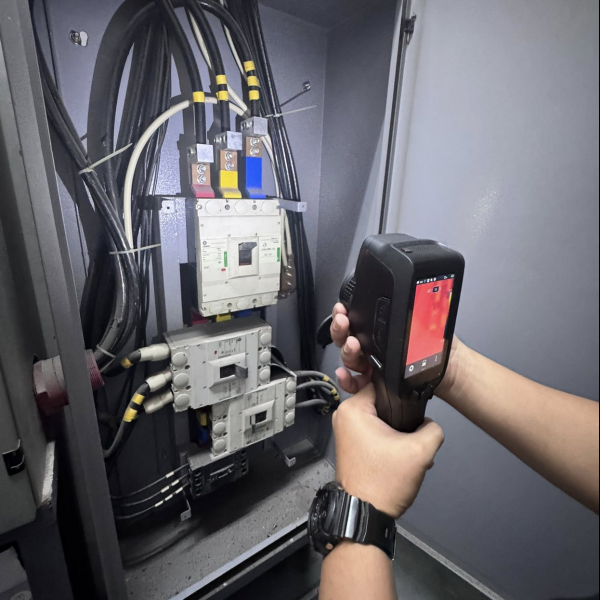
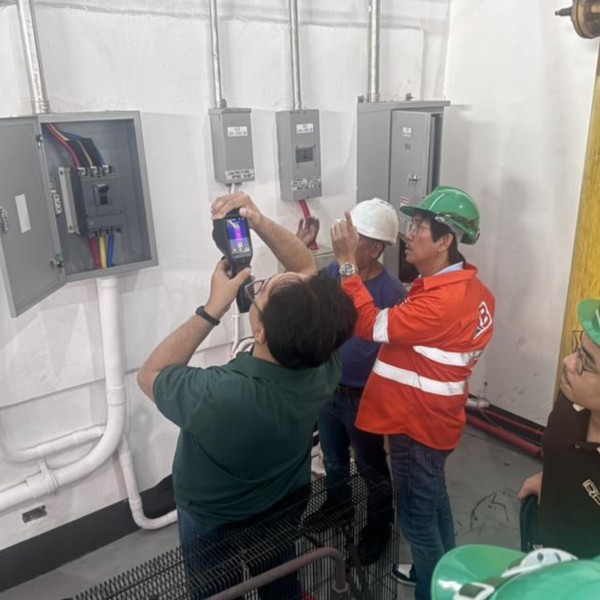
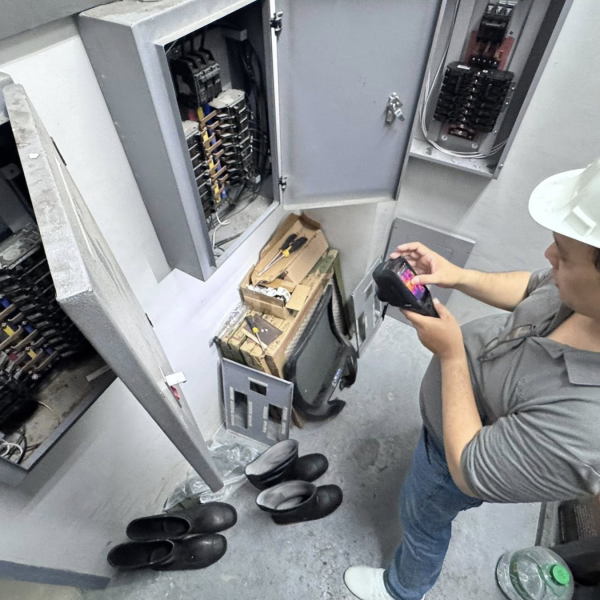
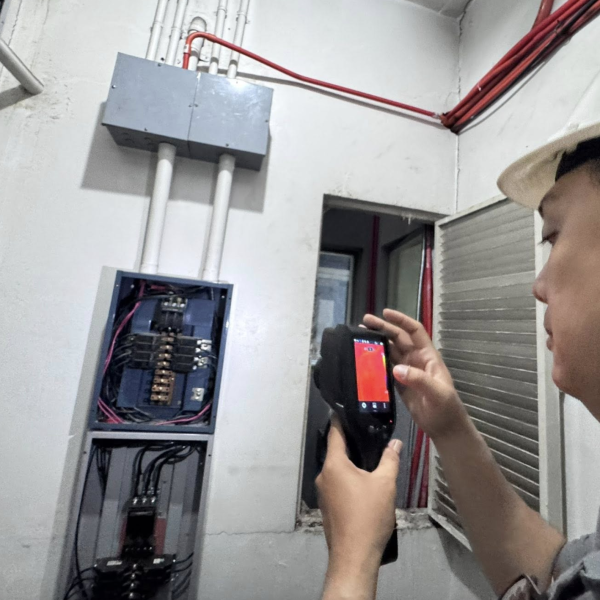
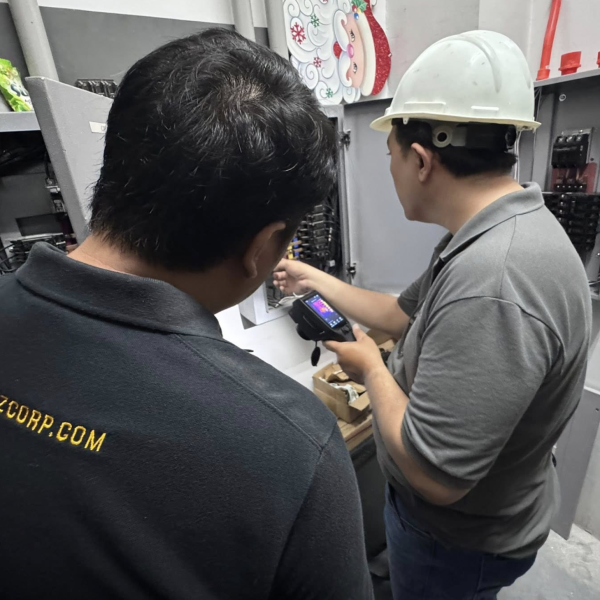
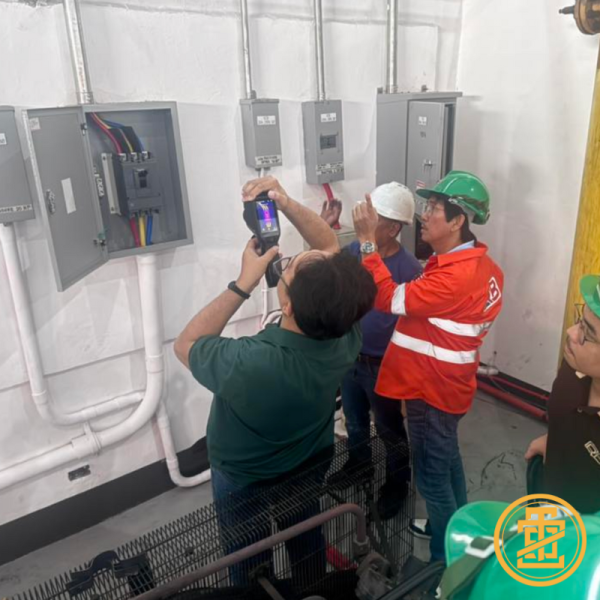
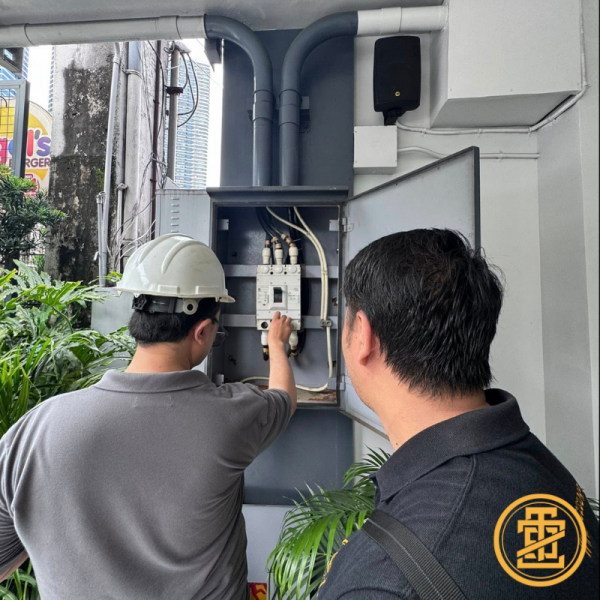
Step 3: On-Site Inspection and Measurement
Certified auditors conduct a detailed site walkthrough to evaluate:
Electrical distribution systems
Panel boards and switchgear
Motors, drives, and production equipment
Transformers and substations
Lighting systems
HVAC and auxiliary loads
Measurements are taken using calibrated instruments under actual operating conditions.
Step 4: Identification of Energy Losses and Inefficiencies
During inspection, common issues are identified, such as:
Overloaded or underutilized equipment
Poor power factor
Heat loss and electrical losses
Idle running systems
Aging or inefficient assets
Many of these losses are invisible without professional measurement.
Step 5: Energy Saving Opportunity (ESO) Development
Each identified issue is translated into a specific Energy Saving Opportunity.
For every ESO, we analyze:
Potential energy savings
Implementation cost
Return on investment (ROI)
Payback period
Operational impact
Only practical and cost-effective solutions are recommended.
Step 6: Financial and Technical Evaluation
A certified energy audit must make financial sense.
This step includes:
Cost-benefit analysis
Energy cost reduction estimates
Prioritization of actions
Short-term vs long-term solutions
This helps management make informed decisions.
Step 7: Preparation of the Certified Energy Audit Report
The final report is a clear, professional, and DOE-compliant document that includes:
Facility energy profile
Detailed findings
Identified inefficiencies
Recommended improvements
Financial analysis
Implementation roadmap
This report serves as a long-term reference for energy management.
Step 8: Presentation and Discussion of Findings
Results are presented to:
Facility managers
Engineering teams
Decision-makers
We explain:
What was found
Why it matters
How to implement solutions safely and efficiently
This ensures alignment across teams.
Step 9: Support for Implementation (Optional but Valuable)
At ETCZ Corp, we don’t stop at reporting.
We can assist with:
Electrical PMS
Equipment upgrades
Power factor correction
Panel board improvements
Energy-efficient retrofits
Turning recommendations into measurable results.
Step 10: Continuous Monitoring and Re-Audit Planning
Energy management is ongoing.
Facilities are advised to:
Track energy performance
Monitor implemented improvements
Schedule follow-up audits
Update strategies after expansions
This ensures long-term efficiency and compliance.
How Long Does a Certified Energy Audit Take?
Typical timelines:
Small commercial facilities: a few days
Large industrial plants: several weeks
The size and complexity of the facility determine the duration.
Can Energy Audits Be Done Without Downtime?
Yes.
Most certified energy audits:
Are non-invasive
Occur during normal operations
Require minimal or no shutdown
Any necessary downtime is planned in advance.
Common Mistakes During Energy Audits
Poor audits often result from:
Incomplete data
Uncalibrated instruments
Assumptions instead of measurements
Lack of industrial experience
No financial analysis
Certified audits eliminate these risks.
Why Choose ETCZ Corp for Certified Energy Audits
ETCZ Corp combines:
Certified energy auditors
Licensed electrical engineers
Industrial and commercial expertise
DOE-aligned audit processes
Practical, cost-driven recommendations
We focus on clarity, compliance, and savings.
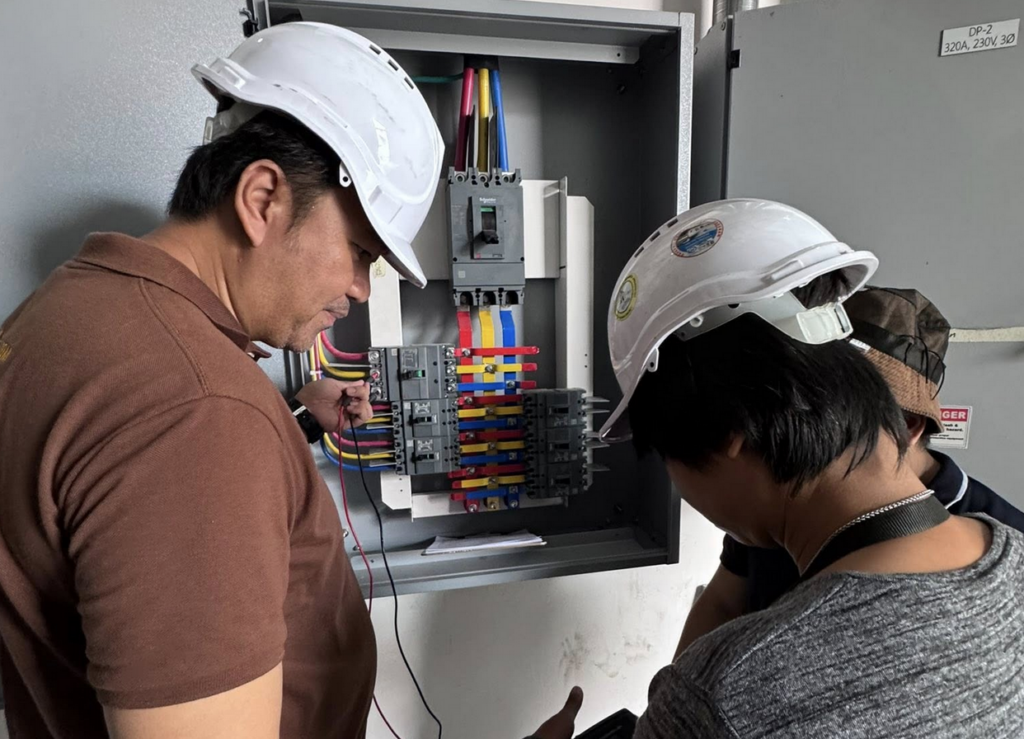
Common Findings in Certified Energy Audits
Based on real-world audits, common issues include:
Inefficient lighting systems
Underutilized or oversized motors
Poor power factor
Electrical losses due to loose connections
Lack of preventive maintenance
Outdated equipment
Many of these issues can be corrected with minimal investment.
Benefits of a Certified Energy Audit for Philippine Businesses
Reduced electricity costs
Improved operational efficiency
Better equipment performance
Compliance with DOE requirements
Lower carbon footprint
Improved safety and reliability
Informed investment decisions
Long-term cost control
Energy audits turn energy from a fixed expense into a manageable resource.
Certified Energy Audit vs Regular Energy Review
Regular Review
General observations
No certification
Limited technical depth
Certified Energy Audit
Engineering-based analysis
DOE-compliant methodology
Actionable and measurable results
Certification ensures credibility and effectiveness.
How Certified Energy Audits Support Electrical PMS
Energy efficiency and reliability go hand in hand.
When combined with Electrical Preventive Maintenance (PMS):
Energy losses are reduced
Electrical failures decrease
Equipment lifespan increases
Maintenance becomes predictive
ETCZ Corp integrates energy audits with PMS for maximum value.
Can a Certified Energy Audit Be Done Without Disrupting Operations?
Yes.
Most audits are conducted:
During normal operations
With minimal or no downtime
Using non-invasive measurement tools
Any required shutdowns are planned and coordinated to minimize impact.
Why Choose ETCZ Corp for Certified Energy Audits
ETCZ Corp provides:
Certified and experienced energy auditors
Licensed electrical engineers
Industrial and commercial expertise
DOE-aligned audit methodologies
Clear, practical recommendations
We focus on real savings, not just reports.
What’s Included in ETCZ Corp Certified Energy Audit Services
Energy consumption analysis
Electrical system evaluation
Equipment efficiency assessment
Load and power quality review
Energy saving opportunity identification
Financial and ROI analysis
Detailed audit reporting
Who Should Schedule a Certified Energy Audit Now?
Facilities with rising electricity costs
Expanding factories and plants
Aging electrical infrastructure
High-load commercial buildings
Businesses preparing for DOE inspection
If your facility is large, an audit is no longer optional.
Energy Audit Frequently Asked Questions
Yes, especially for large energy-consuming facilities.
Typically every three years or after major changes.
No, audits are planned to avoid disruption.
Savings are calculated using real measurements and verified data.
Yes, we offer full electrical engineering and maintenance support.
Gallery
Your Partner for Electrical Success
Whether you are looking to design a new system, optimize an existing one, or address specific challenges, ETCZ Corp’s electrical engineering services are your trusted solution. From initial planning to final implementation, we work closely with you to deliver efficient, reliable, and cost-effective results.

ETCZ Corp
Start Your Certified Energy Audit Today
If you need a certified energy audit in the Philippines, partner with professionals who understand both engineering and compliance. 👉 Schedule your FREE initial consultation with ETCZ Corp today. Our certified engineers will guide you step by step toward energy efficiency, compliance, and long-term savings. ETCZ Corp – Measure accurately. Act confidently. Save sustainably. ⚡

Call Now 09778411839
Have any queries?
We're here to help.
- #52 M.L Quezon St. Villa Ligaya Subdivision Barangay Dela Paz, Antipolo City
- 09778411839
- [email protected]