

Complete Guide to Electrical Wires and Cables in the Philippines: Types, Sizes & Uses
Complete Guide to Electrical Wires and Cables in the Philippines: Types, Sizes & Uses
Whether you are building a new home in Antipolo, renovating a commercial space in Rizal, or upgrading an industrial facility anywhere in the Philippines, understanding electrical wires and cables is absolutely essential. The wrong wire type, the wrong size, or the wrong installation method can lead to overloaded circuits, costly electrical fires, and serious injury — all of which are far too common in Filipino homes and businesses.
At ETCZ Corp, we are a licensed electrical contracting firm serving Antipolo, Rizal Province, and Metro Manila. Our team of Certified Electrical Engineers works with hundreds of clients each year on wiring projects ranging from simple home rewires to large-scale commercial and industrial installations. We have written this comprehensive guide to help every Filipino homeowner, contractor, and business owner make informed and safe decisions when it comes to electrical wires and cables in the Philippines.
In this guide, we will cover everything you need to know — from the difference between wires and cables, to Philippine National Standards (PNS), to the most common wire types used in Filipino homes and businesses, wire sizes, color coding, insulation types, common wiring mistakes, and how to choose a licensed electrician you can trust.
Let us get started.
Wire vs. Cable: Understanding the Difference
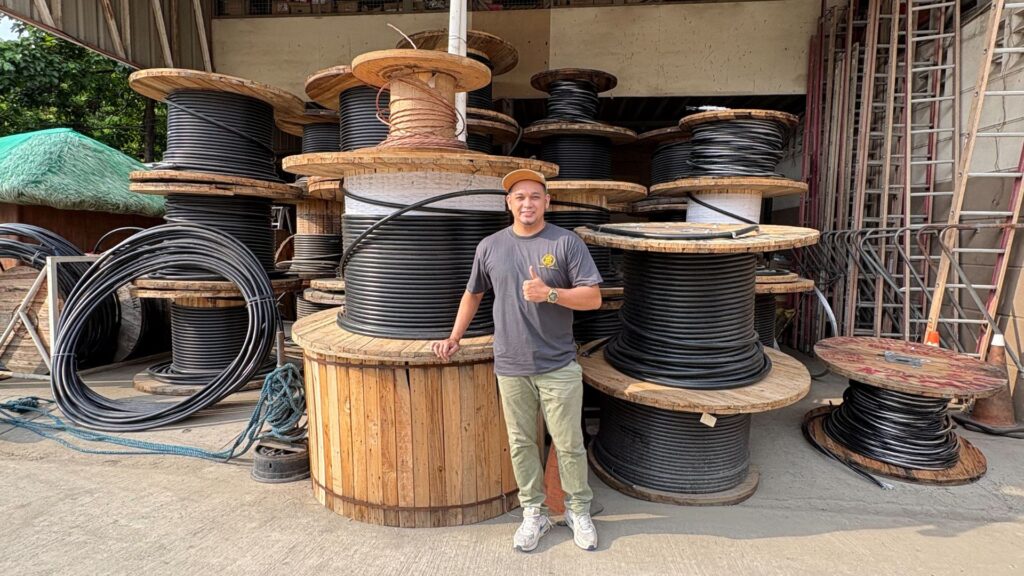
Before diving into types and sizes, it is important to understand the fundamental difference between a wire and a cable — terms that are often used interchangeably but actually refer to different things.
A wire is a single electrical conductor — typically made of copper or aluminum — that may be bare or covered with a thin layer of insulation. Wires are the individual conductors that carry electrical current.
A cable, on the other hand, is a group of two or more wires bundled together within a common protective outer jacket or sheath. Cables are designed to carry power from one point to another while protecting the individual conductors from environmental damage, mechanical stress, and moisture.
In everyday Filipino conversations and in most hardware stores in the Philippines, both terms are used loosely. Selecting the right electrical wire isn’t a matter of convenience — it’s a non-negotiable safety requirement. Whether you are shopping for wire or cable, the critical factors remain the same: wire type, conductor material, insulation rating, wire size, and PNS compliance.
Philippine Electrical Standards: PNS, PEC, and BPS Explained
Before purchasing any electrical wire or cable in the Philippines, you must understand the regulatory framework that governs electrical products in the country.
Philippine National Standard (PNS)
In the Philippines, the Philippine National Standard (PNS) has strict regulations on the technical performance, application scope, and quality requirements of electrical cables, ensuring that they meet local safety and functional requirements. The PNS is harmonized with international IEC (International Electrotechnical Commission) standards, ensuring that Filipino-used electrical products meet globally recognized benchmarks.
The Philippines adopts the Philippine National Standards (PNS), which are harmonized with international IEC standards. For residential and commercial low-voltage installations (up to 600V), the primary cable types are PVC Insulated Cables (PNS IEC 60227), which are most common for indoor fixed wiring — rated at 70°C operating temperature, flame-retardant, and available in single-core or multi-core configurations.
Bureau of Philippine Standards (BPS) Certification
All wires sold commercially must bear the BPS Certification Mark — a circular logo with “BPS” inside and the standard number. Without this mark, the product is illegal for sale and fails the Electrical Engineering Law (RA 7920) and the Consumer Act (RA 7394).
When buying electrical wire in the Philippines, always look for the PS Mark (Product Standard) for locally manufactured wires and the ICC Mark (Import Commodity Clearance) for imported products. Always ensure that the electrical wires you purchase comply with Philippine Electrical Code (PEC) and Department of Trade and Industry (DTI) standards. Look for PS and ICC marks to verify authenticity and safety compliance.
Philippine Electrical Code (PEC)
The Philippine Electrical Code (PEC) is the cornerstone of all electrical installations in the country. It sets the standards for electrical wiring, materials, and practices to ensure safety and efficiency. The PEC 2017 Edition is the current governing standard and compliance with it is mandatory for all licensed electrical practitioners under Republic Act 7920.
The Problem of Counterfeit Wire in the Philippines
The Philippine wire market suffers from widespread counterfeiting — especially in provincial hardware stores and unbranded online listings. Fake cables often use recycled copper with impurities, thin insulation, or incorrect PVC compounds that emit toxic fumes when heated. Genuine wires maintain consistent diameter, smooth sheath texture, legible printing, and uniform conductor stranding.
This is why purchasing your electrical materials from a trusted, licensed supplier — or working with a certified electrical contractor like ETCZ Corp — is so critically important.
Types of Electrical Wires and Cables in the Philippines
The Philippine market carries a wide variety of electrical wire types, each designed for specific applications and environments. Below is a comprehensive guide to the most commonly used types.
1. 🔶 THHN Wire — The Gold Standard of Building Wire
THHN stands for Thermoplastic High-temperature Nylon-sheathed wire, and it is by far the most widely used building wire in the Philippines today.
THHN wire is a high-performance wire widely used in building electrical systems, which has attracted attention for its excellent durability, reliability, and economy.
Technical Specifications:
- Rated voltage: 600V. Temperature range: up to 90°C in dry environments and up to 75°C in humid environments.
- The inner layer is insulated with polyvinyl chloride (PVC), which has good heat resistance and flame retardancy. The outer layer is covered with a nylon sheath to enhance wear resistance, chemical corrosion resistance, and oil resistance.
Advantages of THHN Wire:
Its advantages are: high heat resistance (it can operate for a long time in a dry environment at 90°C), high insulation strength (the PVC insulation layer gives it excellent electrical insulation performance), chemical corrosion resistance (the nylon sheath can effectively resist corrosive media such as oil, gasoline, acid and alkali), and ease of installation (soft and easy to bend, suitable for various complex wiring needs).
Common Applications:
In the Philippines, THHN electrical wire is widely used in residential building wiring, commercial building electrical systems, infrastructure projects (such as power grid transformation, elevator power supply), and industrial factory power distribution.
Recommended Sizes:
For household circuits, it is recommended to use THHN 2.0mm² or THHN 3.5mm² specifications. Medium-sized equipment or air conditioning systems are recommended to use specifications ranging from THHN 5.5mm² and above, depending on the load.
⚡ ETCZ Corp Pro Tip: Always specify THHN wire when requesting conduit-based wiring for walls, ceilings, and panels. It is the preferred choice of licensed electrical engineers throughout the Philippines.
2. 💧 THW Wire — For Wet and Dry Locations
THW stands for Thermoplastic Heat and Water-resistant wire. It is similar in construction to THHN but rated specifically for both dry and wet installation environments, making it a popular choice for Philippine conditions.
THW copper conductors are used for power and lighting circuits in industrial, commercial and residential facilities where more security is required, just as specified in the National Electrical Code. This type of conductor can be used in dry and wet places.
The conductors type THW can be solid or stranded and they are built with soft temper copper, they are also insulated with a uniform layer of Chloride of Polyvinyl (PVC) thermoplastic material resistant to the moisture and the heat.
Maximum Operating Temperature: 75°C in both wet and dry conditions
Rated Voltage: 600V
Available Sizes: 2.0mm² to 325mm² and larger
Best for:
- Outdoor-adjacent wiring installations
- Bathroom and kitchen circuits
- Industrial facilities with moisture exposure
- Underground conduit wiring in wet soil conditions
THW is often used interchangeably with THHN in many Philippine projects, but when in doubt in humid or wet environments, always choose THW for the added water resistance.
3. 🏠 Royal Cord (Flexible Wire) — The Filipino Household Staple
If you have ever bought an extension cord or plugged in an appliance in the Philippines, you have almost certainly encountered Royal Cord — the flexible multi-stranded copper wire that is everywhere in Filipino homes and businesses.
Royal Cord wire is widely trusted in Philippine households because of its flexibility, safety, and durability. Its different sizes and core configurations allow it to cover almost all typical home electrical needs.
Royal Cord Wire is a flexible cable widely used in the Philippines, often called “Royal Cord.” Unlike rigid wire, Royal Cord utilizes a multi-strand copper conductor with durable insulation, offering exceptional flexibility and ease of installation. This allows for easy bending, twisting, and routing through tight spaces without sacrificing performance.
Common Applications:
- Ideal for ceiling lights, wall lamps, and LED installations.
- Commonly used in televisions, rice cookers, fans, refrigerators, and washing machines.
- Extension cords, portable power strips, and movable equipment
Insulation & Standards:
Conductor quality consists of stranded copper conductors tested for conductivity and flexibility. Insulation performance uses PVC insulation designed for durability, flame resistance, and long service life.
Royal Cord is available in 2-core (2C), 3-core (3C), and larger configurations. The 3-core version includes a grounding wire, which is strongly recommended for all modern appliance connections in the Philippines.
⚡ ETCZ Corp Safety Note: Royal Cord is NOT designed for permanent fixed wiring inside walls, ceilings, or conduits. Using it as a substitute for THHN or THW in fixed installations is a violation of the Philippine Electrical Code and a serious fire hazard.
4. 🏗️ NM / NYM Wire — Concealed Wiring for New Construction
NM (Non-Metallic) wire — also commonly referred to in the Philippines as NYM wire — is a multi-conductor cable encased in a flat or round PVC outer jacket. It is one of the go-to choices for concealed wiring in residential construction.
This type of wire is specified under Philippine National Standard PNS 35-2 for thermoplastic insulated non-metallic flat-jacketed electric wires with 2 or 3 conductors, sizes 2.0mm² to 5.5mm², solid or stranded, rated 60°C, 600V.
NM (Non-metallic) wire is a thermoplastic jacketed wire containing 2 or 3 PVC insulated circuit conductors with or without grounding, used in wiring systems operating at a voltage not exceeding 600V and at a temperature not exceeding 60°C, suitable for use in dry and wet locations.
Best for:
- New home construction (embedded in concrete or inside wall cavities)
- Ceiling wiring for lighting circuits
- General purpose branch circuits (lighting, outlets)
- Renovation projects where wire needs to be concealed
NYM (PVC-insulated cable) is commonly used in residential wiring in the Philippines — flexible and suitable for concealed installations in walls and ceilings.
5. 🌿 NYY Cable — Heavy-Duty Underground and Outdoor Cable
NYY cable is a PVC-insulated, PVC-sheathed multi-core cable designed for heavy-duty applications. It is significantly more robust than THHN or NM wire and is specifically designed for situations where the cable needs greater mechanical protection.
NYY cable is used as a lighting and power distribution cable, installed in areas where severe mechanical stress is avoided. It can be laid indoors, outdoors, buried, or in cable trenches.
Key Characteristics:
- Multi-core (2, 3, or 4 conductors) with individual PVC insulation on each conductor
- Heavy outer PVC sheath for environmental protection
- Suitable for direct burial in soil (with appropriate bedding)
- Rated for 0.6/1kV applications
Best for:
- Underground feeder cables connecting buildings on a property
- Outdoor distribution between panels
- Industrial power distribution systems
- Connecting generators to main panels
- Cold storage facility wiring
6. ⚡ Service Drop Cable (Duplex / Triplex) — The Utility Connection Wire
Service drop cable is the overhead wire that connects the electricity distribution pole to your property’s meter base. In the Philippines, this is managed by distribution utilities like MERALCO, but understanding this cable type is important for property owners and contractors.
A Service Drop Wire is an overhead electrical line that connects the utility company’s power line to a customer’s building or structure. This connection is vital for delivering electrical power to homes and businesses.
Types of Service Drop Cables:
Duplex service drop wire comprises two conductors: one insulated for the current-carrying phase and one bare or uninsulated conductor for the neutral. This type of service drop wire is typically used for lower voltage applications.
Triplex overhead wire consists of three conductors twisted together — two insulated conductors for the current-carrying wires and one bare or uninsulated conductor that serves as a neutral. This wire is commonly used for single-phase service drop applications.
Quadruplex service drop wires are used in three-phase power distribution. They consist of four conductors, with three insulated wires for the phases and one bare or insulated wire for the neutral. This type of wire is suitable for large commercial and industrial applications where three-phase power is required.
⚠️ Important: It is prohibited by MERALCO to terminate service drop, relocate, and transfer kWh meters even if you are a licensed electrician. Only MERALCO personnel or accredited MERALCO contractors are allowed to do so. Always coordinate directly with your utility provider for service drop work.
7. 🔥 XHHW-2 Cable — High-Performance for Extreme Environments
XHHW-2 (Cross-linked polyethylene insulated, Heat and Water resistant, 90°C rated) is a premium wire type used in demanding industrial and commercial environments. Service drop conductors using XHHW-2 are stranded, soft drawn copper, insulated with heat, moisture, and sunlight resistant cross-linked polyethylene. The neutral is solid or stranded bare, hard drawn copper.
XHHW-2 is rated at 90°C in both wet and dry conditions, making it the top choice for harsh environments in the Philippines — including industrial facilities, outdoor commercial applications, and coastal properties exposed to salt air and high humidity.
Electrical Wire Sizes in the Philippines: The Complete Guide
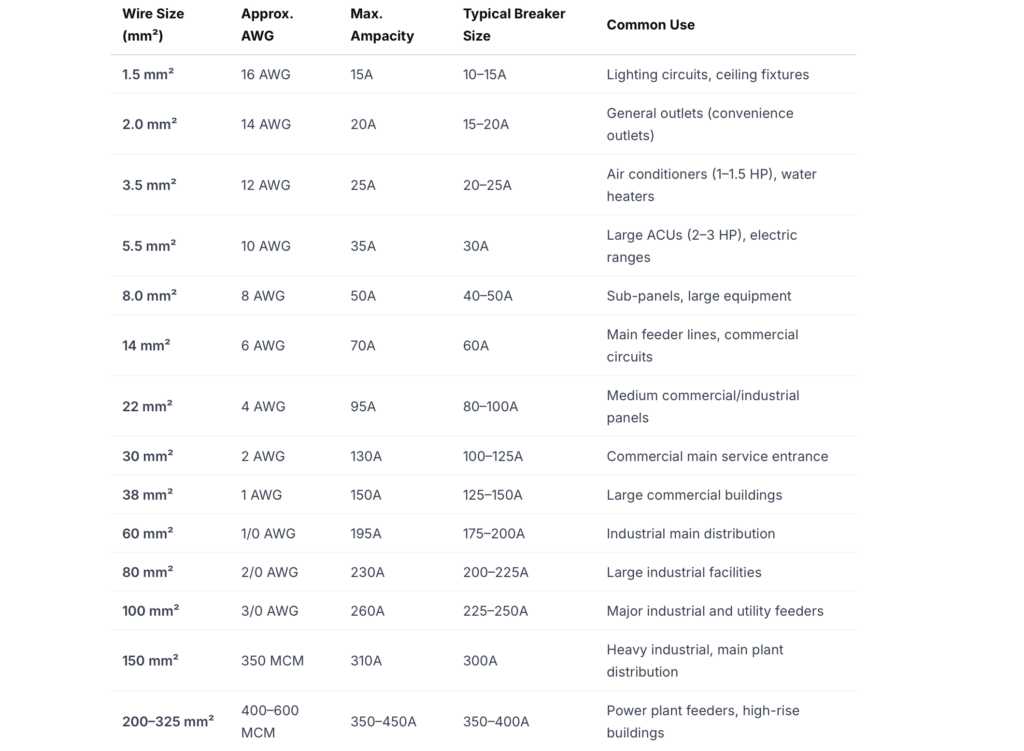
Wire size is one of the most critical decisions in any electrical installation. Wire gauge — measured by the American Wire Gauge (AWG) system — determines how much electrical current a wire can safely carry. Choosing the correct gauge is critical to prevent overheating and fire hazards.
In the Philippines, wire sizes are most commonly expressed in square millimeters (mm²) following the IEC metric system, though AWG references are also used, particularly for imported products.
Complete Wire Size Reference Table for the Philippines
Understanding Wire Size for Common Philippine Appliances
One of the most frequently asked questions our engineers at ETCZ Corp receive is: “What wire size do I need for my appliance?” Here is a practical quick reference for the most common Filipino household needs:
| Appliance | Recommended Wire Size | Circuit Breaker |
|---|---|---|
| LED Lighting Circuit | 1.5 mm² | 15A |
| Standard Wall Outlets (Convenience Outlets) | 2.0 mm² | 20A |
| Split-Type Aircon (1 HP) | 3.5 mm² | 20A |
| Split-Type Aircon (1.5–2 HP) | 3.5–5.5 mm² | 25–30A |
| Split-Type Aircon (2.5–3 HP) | 5.5 mm² | 30A |
| Electric Water Heater | 3.5 mm² | 20A |
| Electric Stove / Range | 5.5 mm² | 30A |
| Washing Machine (automatic) | 2.0–3.5 mm² | 20A |
| Refrigerator / Freezer | 2.0 mm² | 20A |
| Microwave Oven | 2.0–3.5 mm² | 20A |
| Computer Workstation / Server Room | 3.5–5.5 mm² | 25A |
| EV Charger (Level 2) | 8.0–14 mm² | 40–60A |
Wire Color Coding in the Philippines
Understanding wire color coding is essential for safe installation and troubleshooting. In the Philippines, color coding generally follows the Philippine Electrical Code guidelines:
| Wire Color | Function |
|---|---|
| Black | Phase / Live / Hot wire (Line 1) |
| Red | Phase / Live / Hot wire (Line 2) |
| Blue | Neutral wire |
| Green or Green/Yellow Stripe | Ground / Earth wire |
| White | Neutral (older installations) |
| Yellow | Phase wire (3-phase systems, Line 3) |
⚠️ Safety Warning: Not all electrical work in the Philippines follows proper color coding — especially in older homes built before the 2017 PEC edition. If you are working on or near existing wiring in an older property, always use a voltage tester before touching any wire, regardless of color.
How to Read an Electrical Wire Label in the Philippines
Every legitimate PNS-certified electrical wire sold in the Philippines is printed with critical information along its length. Knowing how to read these labels ensures you are buying exactly what you need.
Here is what to look for on a wire label:
| Label Item | What It Means |
|---|---|
| Wire Type (e.g., THHN, THW) | Insulation and temperature rating type |
| Size in mm² (e.g., 3.5mm²) | Cross-sectional area — determines ampacity |
| Number of Conductors (e.g., 1C, 2C, 3C) | How many individual wires inside the cable |
| Voltage Rating (e.g., 600V) | Maximum safe operating voltage |
| Temperature Rating (e.g., 90°C) | Maximum safe operating temperature |
| Manufacturer Name or Brand | Traceability and warranty information |
| PNS Standard Number (e.g., PNS 35-1) | Confirms compliance with Philippine standards |
| PS/ICC Mark | Government certification mark |
| Length Markers (e.g., every 1 meter) | Measurement marks for accurate cutting |
Ensure that the wires have PNS and UL markings and comply with PEC or NEC requirements. If a wire lacks clear printing or the markings are blurry or easily rubbed off, it may be a counterfeit product — avoid it entirely.
Types of Wire Insulation: Which One Is Right for Your Project?
The insulation material of a wire determines where and how it can be safely used. Here are the most common insulation types found in Philippine electrical wire products:
PVC (Polyvinyl Chloride) Insulation
PVC is the most common insulation material used in Philippine electrical wires. It offers good heat resistance, flame retardancy, and moisture resistance at an affordable cost. Found in THHN, THW, NM/NYM, and Royal Cord wires.
Suitable for: Indoor wiring, conduit installations, residential and commercial applications.
Limitation: Can emit toxic fumes (including hydrogen chloride gas) when burned, which is a concern in fire situations.
XLPE (Cross-Linked Polyethylene) Insulation
XLPE offers superior heat resistance and electrical performance compared to standard PVC. It is used in higher-performance cables like XHHW-2 and medium-voltage power cables. THHN cables need to have good humidity tolerance in the high humidity and heat climate of the Philippines, especially in industrial specification wires where the waterproof performance of the sheath is particularly critical. XLPE addresses this demand with enhanced thermal and moisture performance.
Suitable for: Industrial applications, outdoor installations, medium-voltage distribution.
Rubber / PCP Insulation
Rubber-insulated cables offer exceptional flexibility and are ideal for applications where the cable must withstand mechanical stress, vibration, or frequent movement.
Heavy-duty rubber-insulated cables (PNS IEC 60245) are used for temporary power, outdoor service drops, generator connections, and wet-location applications — rated at 60°C or 90°C depending on compound, oil-resistant, and highly flexible.
Suitable for: Generator connections, temporary power setups, welding equipment, outdoor portable tools.
Nylon Sheath (THHN)
The nylon outer sheath of THHN wire is not the primary insulation — that is the PVC layer beneath it. The nylon sheath adds abrasion resistance, oil resistance, and additional mechanical protection, making THHN easier to pull through conduits without damaging the insulation.
Application Guide: Choosing the Right Wire for Your Project
🏠 Residential Electrical Wiring Philippines
For a typical Filipino home, the standard electrical wiring system will use a combination of wire types and sizes:
- Main service entrance wire: NYY cable or THHN (30–60mm²) from the meter base to the main panel
- Sub-feeder to panels: THHN (14–22mm²) for panel-to-panel feeds
- Lighting branch circuits: THHN or NM wire (1.5–2.0mm²) on 15A breakers
- Convenience outlet circuits: THHN or NM wire (2.0mm²) on 20A breakers
- Air conditioner dedicated circuits: THHN (3.5–5.5mm²) on dedicated 20–30A breakers
- Appliance connections: Royal Cord (2C or 3C, appropriate size)
Residential electrical installations are critical for ensuring the safety, efficiency, and reliability of a home’s electrical system. In the Philippines, specific factors need to be considered due to unique environmental, regulatory, and cultural aspects.
🏢 Commercial Electrical Wiring Philippines
Commercial buildings have far more complex electrical demands than residential homes. Restaurants, offices, retail stores, and commercial establishments in the Philippines typically require:
- Three-phase power distribution using 22–100mm² THHN or THW conductors
- Dedicated heavy-load circuits for HVAC, kitchen equipment, elevators
- Emergency lighting circuits with separate, protected wiring
- Proper load balancing across phases to prevent overloads
- Conduit wiring throughout (EMT, IMC, or PVC conduit depending on location)
🏭 Industrial Electrical Wiring Philippines
Industrial facilities — including manufacturing plants, cold storage warehouses, and commercial kitchens — demand the most robust electrical systems:
- Heavy-gauge THHN or XLPE-insulated cable (60–325mm²) for main feeders
- Motor control circuit wiring with appropriate gauge and insulation
- Armored cables for areas with mechanical stress or rodent exposure
- Explosion-proof conduit systems for hazardous locations
- Three-phase, 4-wire distribution systems for maximum efficiency
Industrial environments or building main cables can choose large-sized wires ranging from THHN 30mm² to 250mm².
10 Costly Electrical Wiring Mistakes Filipinos Must Avoid
Our engineers at ETCZ Corp have inspected thousands of electrical installations across Antipolo and Rizal, and the same dangerous mistakes appear again and again. Here are the top 10 wiring errors that put Filipino homes and businesses at risk:
Mistake #1: Using Undersized Wire
The most common mistake is using any size or guessing sizes of wires and circuit breakers. An electrician should follow the minimum requirement of the Philippine Electrical Code. Undersized wire overheats, degrades insulation, and causes fires — often slowly and invisibly inside walls before the damage becomes catastrophic.
Mistake #2: Buying Uncertified or Counterfeit Wire
Using substandard wires can cost you more than what you actually think you save. It is recommended to use quality wires and cables. Counterfeit wire may look identical to genuine certified wire on the outside but can have impure copper conductors, insufficient insulation thickness, and wrong PVC compounds that fail dangerously under load.
Mistake #3: Incorrect Circuit Breaker Sizing
Conductors have a corresponding size and rating of circuit breaker. An electrician should know and follow the minimum requirement of PEC. Using an oversized breaker with undersized wire is extremely dangerous — the breaker won’t trip when the wire overloads, allowing the wire to overheat and start a fire.
Mistake #4: No Proper Grounding
Incorrect grounding equipment is a major violation. The minimum requirement for Grounding Electrode Conductor and Service Entrance based on PEC is 8.0mm² TWG copper wire. Many older Filipino homes have no grounding system at all, leaving residents vulnerable to electric shock from faulty appliances.
Mistake #5: Leaving Wires Without Junction Boxes
Junction boxes protect the connections from accidental damage and contain sparks and heat from loose connections or short circuits. Open wire splices — simply twisted together with electrical tape — are a violation of the PEC and a leading cause of electrical fires in Philippine homes.
Mistake #6: Overloading Outlets and Extension Cords
Overloading outlets or overcrowding electrical boxes are common mistakes that can lead to overheating and potential fires. Avoid plugging excessive devices into a single outlet and ensure proper distribution of electrical load across multiple outlets. Enough spacing and proper box sizing help prevent overheating and ensure safe electrical operation.
Mistake #7: Using Royal Cord for Fixed Wiring
As mentioned earlier, Royal Cord (flexible wire) is designed for movable, flexible applications. Using it in place of THHN or NM wire for permanent in-wall or in-conduit wiring violates the PEC and dramatically increases fire risk due to its inferior insulation rating and mechanical durability.
Mistake #8: Wrong Wire for Air Conditioning Units
ACU and SPO (Special Purpose Outlet) have a dedicated rating of circuit breaker and size of wire based on PEC. It is important that there is no other loads connecting or tapping to ACU/SPO circuits. Using the wrong wire size for an air conditioner is one of the most common causes of house fires in the Philippines, particularly as Filipino families add more and more high-powered AC units to their homes.
Mistake #9: Improper Conduit Use in Open Ceilings
Open ceiling wiring installations in buildings should use metallic conduit like RMC, IMC, and EMT — not PVC or other non-metallic pipe. PVC conduit is not suitable for open ceiling environments in commercial and industrial buildings where the risk of physical damage and fire spread is higher.
Mistake #10: Hiring Unlicensed Electricians
Being an electrician, it is your responsibility to ensure the safety of your clients and the public in using electricity. An electrician should follow the minimum requirements of the Philippine Electrical Code and Republic Act 7920 (New Electrical Engineering Law).
If you are a Non-Licensed Electrical Practitioner (NLEP), you should consult or have the supervision of a Licensed Electrical Practitioner — a Registered Master Electrician (RME), Registered Electrical Engineer (REE), or Professional Electrical Engineer (PEE) — for your electrical works. The only licensed electrician in the Philippines is the Registered Master Electrician (RME), licensed by the Professional Regulation Commission.
How to Buy Quality Electrical Wires in the Philippines: A Buyer’s Guide
When purchasing electrical wire in the Philippines — whether at a hardware store in Antipolo, a construction supply shop in Rizal, or online — follow these expert buying tips from the ETCZ Corp team:
✅ DO:
- Specify wire type (e.g., THHN, THW, or NYY) in your purchase order — not just “2.5mm².”
- Look for the BPS Certification Mark, PS Mark, or ICC Mark on the wire packaging and printed on the wire itself
- Buy from reputable electrical supply stores or directly from licensed electrical contractors
- Choose orange-sheathed cables for outdoor or UV-exposed runs (PNS IEC 60227-5, UV stabilized).
- Ask for the manufacturer’s name and confirm the wire’s PNS standard number matches your application
- Purchase slightly more wire than your measured requirement — typically 10–15% extra to account for connections and future repairs
❌ DON’T:
- Don’t reuse old conduits without cleaning — dust and moisture accelerate insulation breakdown.
- Don’t mix copper and aluminum conductors in the same junction box — galvanic corrosion is a serious risk.
- Don’t buy the cheapest wire available without verifying its certification — cheap wire is one of the most expensive mistakes you can make
- Don’t purchase wires that lack clear, legible printing along their length
- Don’t assume a “100m reel” means 100m usable length — reputable brands guarantee ≥99.5m; cheap reels often deliver ≤92m.
When Should You Call a Licensed Electrician?
While basic electrical awareness is valuable for every Filipino homeowner, there are specific situations where hiring a Certified Electrical Engineer or Registered Master Electrician is not just advisable — it is legally required under Philippine law.
Call a licensed electrician from ETCZ Corp immediately if you experience any of the following:
- Frequent circuit breaker trips — may indicate overloaded circuits or undersized wiring
- Burning smell from outlets, panels, or switches — a serious fire warning sign requiring emergency attention
- Flickering or dimming lights — can indicate loose connections or voltage drop issues
- Discolored, warm, or charred outlets/switch plates — sign of arcing or overheating
- Electric shocks from appliances or outlets — indicates faulty grounding or wiring
- Water damage to your electrical system — immediately dangerous; requires professional assessment
- Planning any new construction or renovation — electrical design and installation must be done by a licensed professional
- Adding a new air conditioning unit or major appliance — requires load calculation and possibly a dedicated circuit
- Installing a solar panel system — requires solar-ready electrical system assessment and modification
Regular inspections by licensed electricians are the holy grail — they help identify potential hazards and ensure the safety of your electrical system. These kinds of inspections may help detect any underlying issues that may require attention.
When wiring or installing new equipment, let it be handled by a duly licensed electrical engineer or electrician to ensure the equipment meets the requirements for safe operation.
Energy Audit Frequently Asked Questions
THHN wire is the most commonly used electrical wire in the Philippines for fixed building wiring. It is available in virtually all hardware and electrical supply stores across the country, is PNS-compliant, and is suitable for most residential, commercial, and industrial applications when installed in conduit. Royal Cord is the most commonly used flexible wire for appliances and extension cords.
For a 1 HP split-type air conditioner in the Philippines, the minimum recommended wire size is 3.5mm² THHN wire on a dedicated 20A circuit breaker. For a 1.5 HP unit, use 3.5mm² on a 25A breaker. For 2 HP and above, use 5.5mm² on a 30A breaker. Always have a licensed engineer confirm the correct sizing based on the actual nameplate data of your specific unit.
No — this is extremely dangerous and a violation of the Philippine Electrical Code. The excessive use of extension cords or power strips by connecting too many devices can cause overheating and potential fire hazards. It is advisable to install additional outlets to meet the electrical needs of different areas. Extension cords are for temporary use only. Permanent wiring should always be done by a licensed electrician using properly sized, PNS-certified wire in conduit.
Genuine PNS-certified wire will have: (1) clear, permanent printing along its length with the wire type, size, voltage rating, and manufacturer name; (2) a BPS Certification Mark on the packaging; (3) a PS Mark (for local manufacture) or ICC Mark (for imported products); and (4) consistent diameter and smooth, uniform insulation with no bubbles or imperfections. Genuine wires maintain consistent diameter, smooth sheath texture, legible printing, and uniform conductor stranding.
Gallery
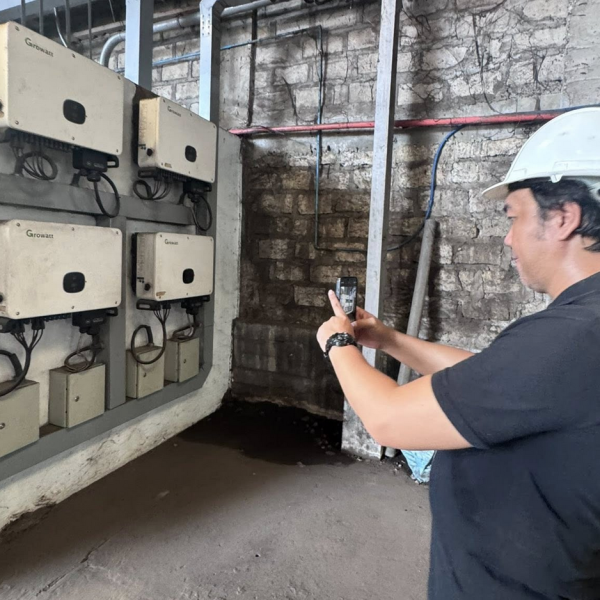
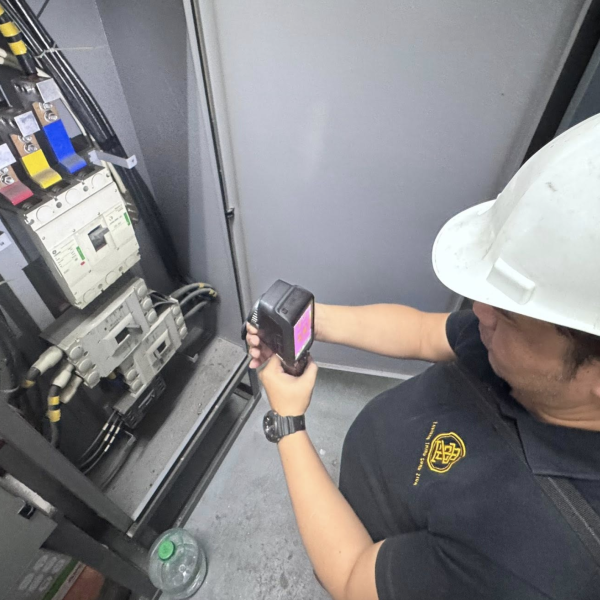
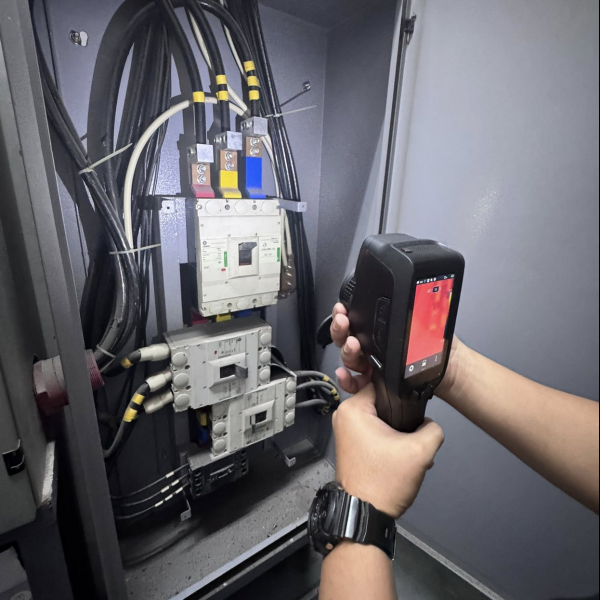
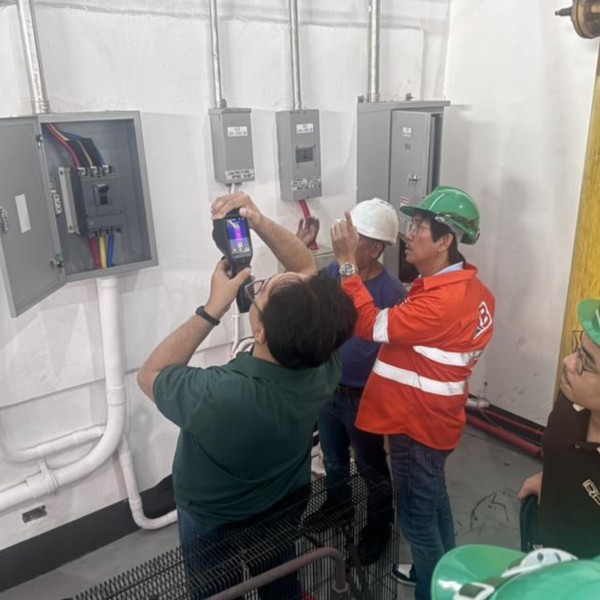
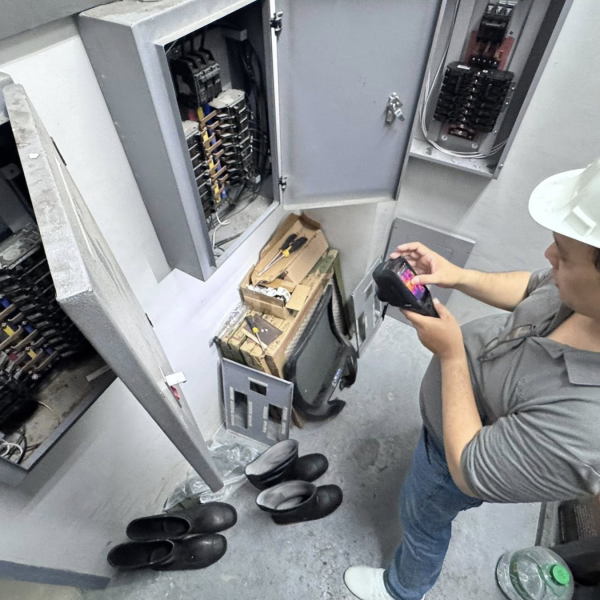
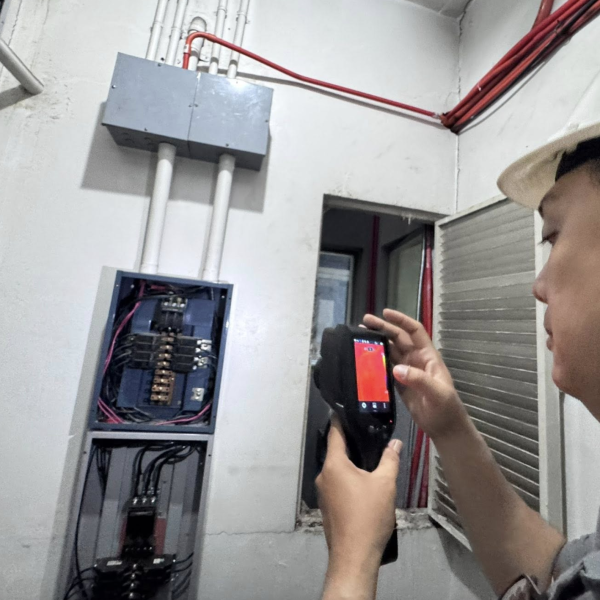
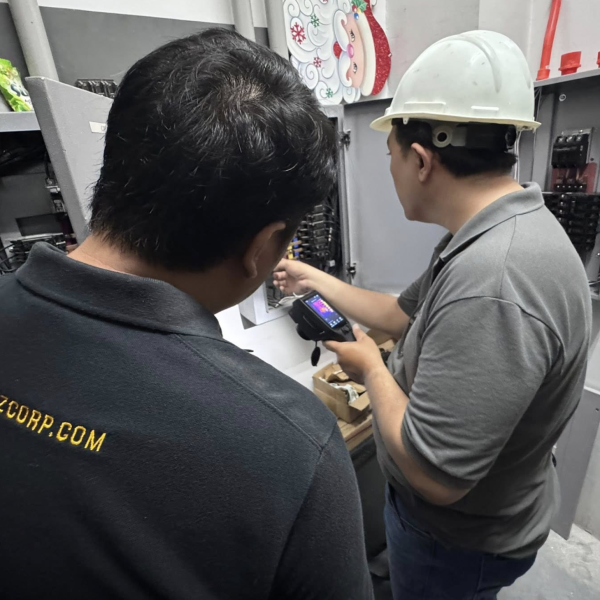
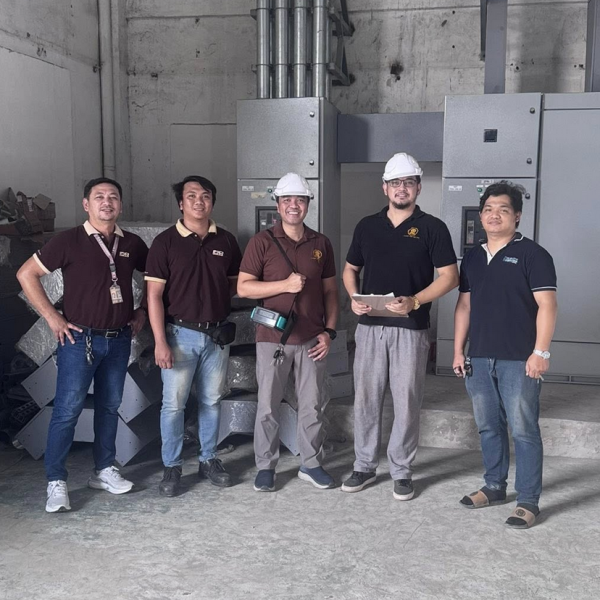
Why Choose ETCZ Corp for Your Electrical Wiring Needs in the Philippines?
At ETCZ Corp, we are not just electricians — we are licensed, certified electrical engineering professionals who are passionate about keeping Filipino homes and businesses safe, efficient, and code-compliant.
Here is what sets ETCZ Corp apart:
✅ Certified Electrical Engineers on every project — not just technicians
✅ FREE consultation before any project begins — we assess your needs before you spend a single peso
✅ PNS-certified materials only — we never compromise on wire quality
✅ Full PEC compliance — every installation is code-correct and documented
✅ Transparent pricing — no hidden charges, no surprises
✅ Residential, commercial, and industrial expertise — we handle it all
✅ Serving Antipolo, Rizal Province, and Metro Manila
✅ Post-installation support — we are with you long after the job is done
Whether you are building a new home in Antipolo, upgrading an aging electrical system in your commercial building, installing a cold storage facility, or planning for solar power integration — ETCZ Corp has the expertise, licensing, and passion to power your project the right way.

ETCZ Corp
Ready to Get Started?
Contact ETCZ Corp today for a FREE electrical consultation.
Our Certified Electrical Engineers are ready to assess your project, recommend the right wire types and sizes, and deliver a safe, code-compliant installation that lasts for decades.
🌐 Visit us: etczcorp.com
📍 Location: Antipolo, Rizal — serving Rizal Province and Metro Manila
📬 Message us directly through our website for a FREE quote

Call Now 09778411839
Have any queries?
We're here to help.
- #52 M.L Quezon St. Villa Ligaya Subdivision Barangay Dela Paz, Antipolo City
- 09778411839
- [email protected]