

Electrical Panel Board Fabrication
Electrical Panel Board Fabrication
Electrical panel board fabrication isn’t just “metal in, box out.” It’s where engineering, safety, and local reality meet—especially here in the Philippines, where humidity, dust, typhoons, and demanding industrial loads push every component to its limit. At ETCZ Corp, we don’t just build panel boards; we build the backbone of your power system so your lights, machines, elevators, and processes keep running safely and smoothly.
In this post, we’ll walk you through what electrical panel board fabrication really looks like, why the process and the people behind it matter, and how choosing the right fabricator can save you downtime, safety headaches, and costly corrections down the line.
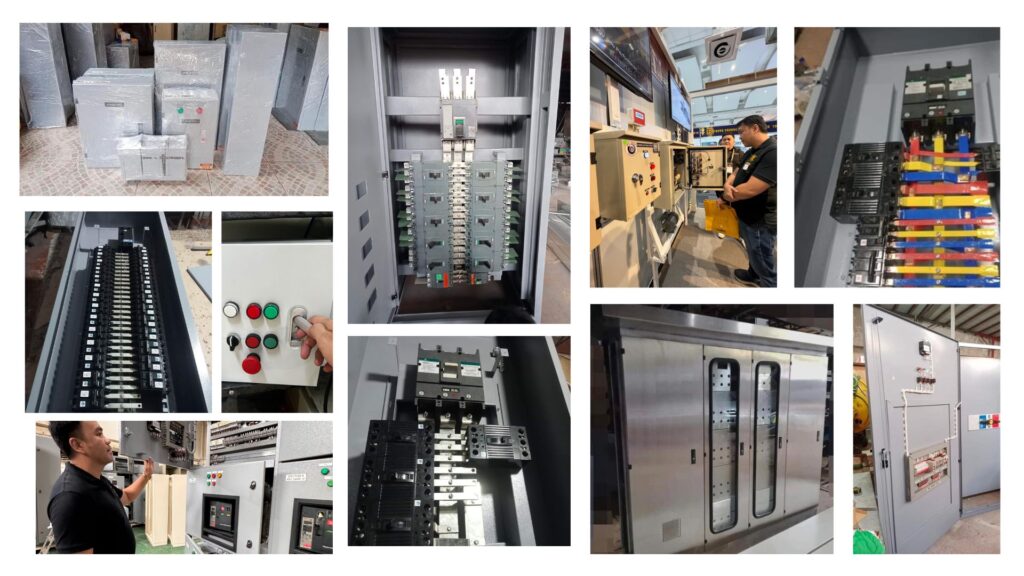
What an Electrical Panel Board Actually Does
Before we talk about fabrication, it helps to understand the role of the panel board itself. In simple terms, an electrical panel board (also called a distribution board or DB) is the “central switching point” for a building or facility:
It receives incoming power from the main service (usually from Meralco or a generator/UPS).
It splits that power into different circuits for lighting, HVAC, machinery, office loads, etc.
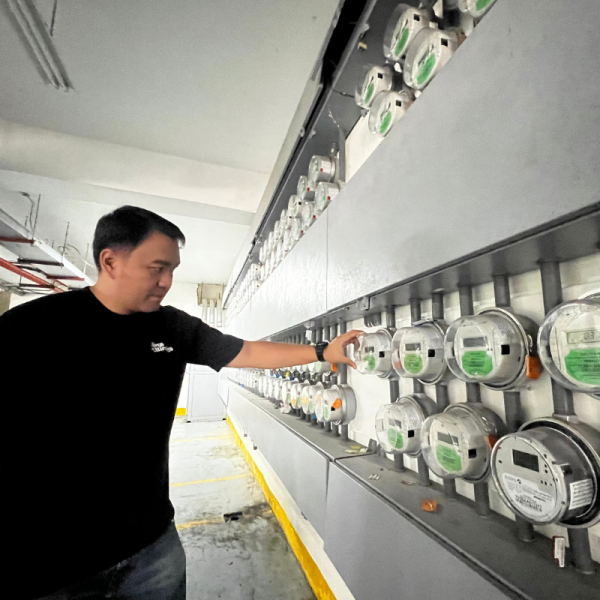
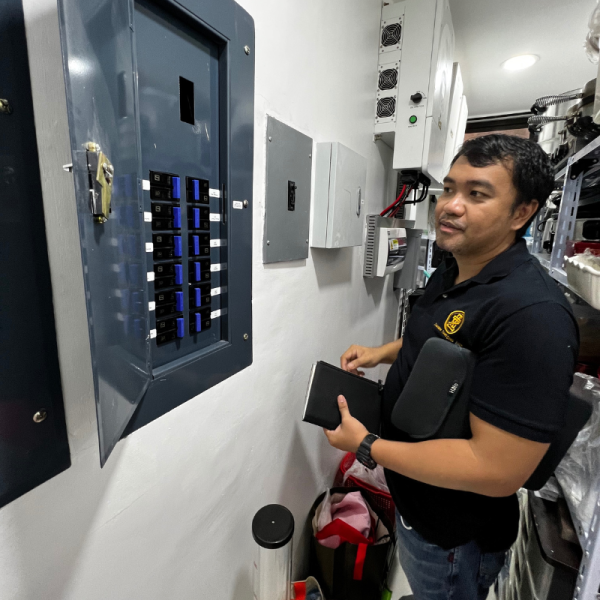
It houses protective devices such as circuit breakers, fuses, surge protectors, and sometimes metering or monitoring relays.
Think of it like a multi‑lane highway interchange: one big road coming in, lots of smaller roads going out, and all of it controlled so no lane gets overloaded and nothing crashes.
When that interchange is poorly designed or sloppily built, you get congestion, accidents, and breakdowns—all of which translate to power outages, equipment damage, fire risk, and safety issues for your people and your business.
That’s why the way your panel board is designed and fabricated from the very beginning is so critical—with local conditions in mind.
What “Fabrication” Means for an Electrical Panel Board
Panel board fabrication is more involved than just welding a box and stuffing breakers inside. Usually, it breaks down into three big phases:
1. Design and Engineering
Every fabrication job should start here. At ETCZ Corp, this usually involves:
Studying the single‑line diagram (SLD) of your electrical system.
Calculating load currents, fault levels, and cable sizes.
Selecting appropriate components (type of breaker—MCCB, ACB, molded case, metering panels, etc.).
Choosing the correct busbar material and size (copper or aluminum), enclosure rating (IP, NEMA), and opening layouts.
We always design according to Philippine standards (PEC) and where applicable IEC and IEEE references, so the panel board is not just ready today, but still safe and compliant years from now.
2. Enclosure Fabrication
This is where the metal part of the “box” happens. In our own facility, this phase typically includes:
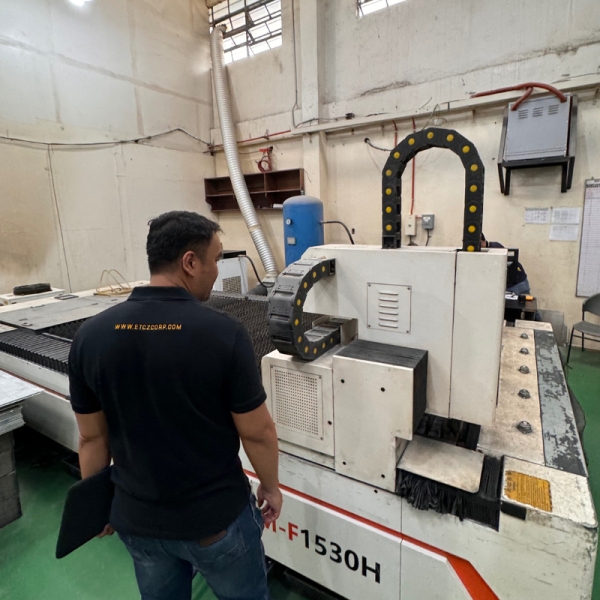
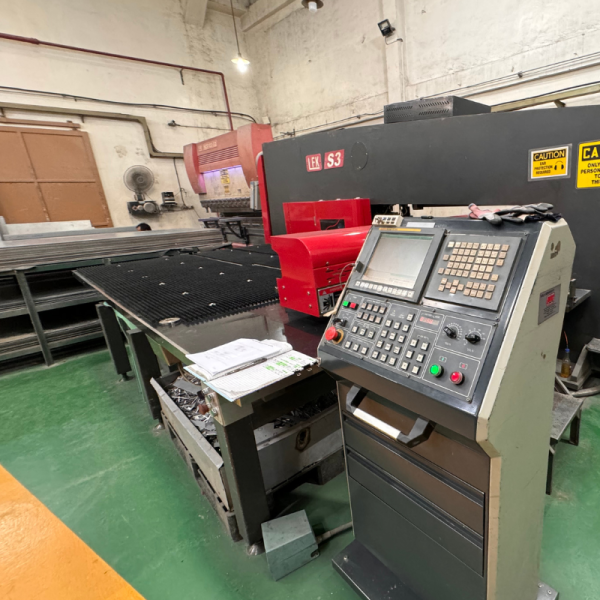
Cutting steel or stainless sheets with CNC laser or shear machines (or by hand where needed, but with strict tolerances).
Bending and forming enclosure sides, covers, and mounting plates.
Welding (where required), followed by grinding and smoothing to ensure clean, safe edges.
Surface treatment and painting, usually zinc‑rich primer plus powder coating or epoxy, depending on environment (indoor vs outdoor, coastal vs high‑dust, etc.).
The goal here isn’t just looks; it’s mechanical strength, corrosion resistance, and long‑term protection against moisture and accidental contact with live parts.
3. Component Assembly and Wiring
Once the enclosure is ready, comes the “nerve‑supply” phase:
Fixing busbars and main incoming lugs with proper torque and clear insulation spacing.
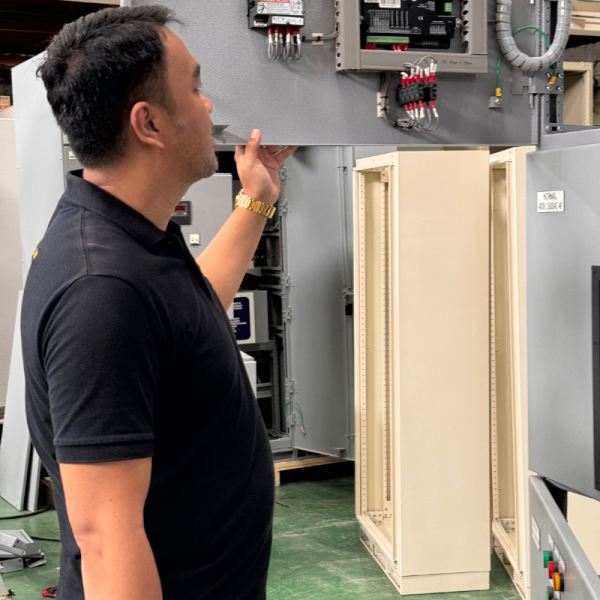
Mounting distribution breakers, contactors, relays, surge protection, and control components.
Running wiring harnesses (cables and terminals) with correct color coding, bends, and labeling.
Grounding the structure properly so fault currents have a safe path and your people and equipment aren’t at risk.
At ETCZ Corp, we follow wiring standards and best practices—no random spaghetti‑mess of wires at the back. Clean wiring pays off later during troubleshooting, maintenance, and any future modifications.
4. Testing and Commissioning
The final sanity check before your panel board leaves our facility or is energized on‑site usually involves:
Continuity and insulation resistance tests (Megger).
Functional checks of breakers, relays, and protection settings.
Visual and dimensional inspection against the approved drawing.
In some cases, a short‑circuit withstand test if the customer requires it or if the panel will be used in a critical or high‑fault‑level location.
This “test‑before‑energization” mindset avoids nasty surprises when the main breaker is first switched on and your plant manager is holding their breath.
Why Proper Fabrication Matters in the Philippines
The climates and conditions here are not gentle on electrical equipment. Here are a few local realities that make proper panel board fabrication important:
High humidity and salt‑laden air (near Manila Bay, Laguna, Bataan, etc.) increase corrosion risk for steel enclosures and busbars.
Dust, construction debris, and particulate matter can find their way inside enclosures, shortening insulation life or causing tracking.
Frequent voltage fluctuations and brownouts or generator transfers stress protective devices and metering components.
Tight spaces and mixed‑use setups (condo with commercial units, mixed residential‑industrial zones) demand compact yet safe layout and proper load‑sharing design.
If the panel is fabricated quickly, cheaply, and without these conditions in mind, you’ll pay for it later:
More frequent trips and breaker failures.
Corrosion leading to poor connections and hot spots.
Risk of sparks or arc flash if busbar alignment and clearances aren’t correct.
Compliance issues if the enclosure doesn’t meet IP ratings or section‑clearance requirements.
By contrast, a properly fabricated panel board from a serious provider like ETCZ Corp is built to:
Resist corrosion through better material choice and coatings.
Handle expected load spikes and fault levels.
Accommodate future expansion or reconfiguration without major redesign.
In short: it’s an investment in trouble‑free operation, not just an item on your materials list.
The ETCZ Corp Approach to Panel Board Fabrication
When a client comes to ETCZ Corp with a request for a new panel board or a full distribution panel package, here’s what we usually do:
Initial consultation
We talk through your load type (single‑phase vs three‑phase), ratings (100 A, 400 A, 800 A, 1600 A, etc.), environment (outdoor, industrial shop, high‑rise, etc.), and any special requirements (energy metering, custom labeling, or SCADA/PLC compatibility).Concept design and approval
We prepare a simple proposal and single‑line diagram, then propose suitable enclosure types, main breakers, and metering options. The client approves, and we lock the design before any metal is cut.In‑house fabrication and sourcing
Our team handles most of the mechanical work in our own fabrication bay:Cutting and forming steel enclosures.
Welding, grinding, and surface treatment.
Powder‑coated finishing with your color preference (if any).
At the same time, our procurement team orders high‑quality components from trusted brands (ABB, Schneider, Siemens, Mitsubishi, etc.), depending on your budget and application.
Component mounting and wiring
We lay out the main and branch busbars, assemble breakers and relays on DIN rails, then run wiring in neat ducts or cable ties. Labels are clear and consistent so your technicians can troubleshoot quickly.Testing and quality check
Before delivery or on‑site energization, every panel undergoes:Continuity and insulation checks.
Visual inspection of torque, clearances, and labelling.
A run‑through of protection functions, where possible.
Installation (optional) and documentation
If you request it, ETCZ Corp can also handle on‑site installation and first‑time energization, along with as‑built drawings, test reports, and operating manuals.
The result is a ready‑to‑use panel board—designed for safety, durability, and Filipino conditions—we don’t just “supply boxes.” We supply confidence that the panel you’re depending on is built the right way, not the quick way.
Key Things a Good Fabricator Should Handle
If you’re comparing panel board fabricators or asking yourself, “Is this provider the right fit?”, here are the key things ETCZ Corp prioritizes—and you may want to look for in others:
Strict adherence to codes and standards
Philippine Electrical Code (PEC) compliance is non‑negotiable if you care about BFP, BFP‑related permits, and insurance. Internationally recognized practices (IEC and IEEE‑inspired designs) are also important, especially in industrial and export‑linked plants.Correct choice and sizing of components
Lots of contractors “upsell” oversized breakers or busbars that don’t match the actual load or fault level. A good fabricator designs the right size for your system—safe, compliant, and economical.Color‑coded, cleanly labeled wiring
Messy wiring costs time and money when something goes wrong. Neat wiring and clear labels cut troubleshooting time by 50–70% in our experience.Robust enclosures with proper IP ratings
IP42/IP54 for outdoor or dusty areas, proper clearances for fork‑lift traffic, and enough depth for future re‑routing—all these matter more than they sound.Documentation and as‑built drawings
When you hand over the building to a new maintenance team, they’ll need updated drawings, test records, and component lists. We make sure you get them.
If a fabricator seems reluctant to talk about these details, that’s a red flag.
When You Need Custom Fabrication vs. “Off‑the‑Shelf” Panels
Panel boards come in two broad flavors:
Standard, off‑the‑shelf panels
These are preconfigured boards available from switchgear or power‑equipment suppliers. They’re usually more affordable for simple residential or small commercial loads and when you don’t need extra metering or control features. Many brands in the Philippines now offer ready‑made solutions, but these are often “fixed” in layout and busbar arrangement.Custom‑fabricated panels
For industrial projects, mixed‑load buildings, renovations, or any situation where:Layout is tight or constrained,
Existing distribution cannot be easily changed,
You need metering‑by‑department or sublocation,
Or you’re integrating multiple voltage levels (400 V main plus 230 V lighting, etc.)
a custom‑fabricated panel is almost always the right choice.
ETCZ Corp specializes in custom fabrication because every facility is different. A food‑processing plant in Cavite has very different needs from a BPO in Ortigas or a refurbished warehouse in Calabarzon. Rather than forcing you into an “off‑the‑shelf” box, we build an enclosure and layout that suits:
Your existing electrical room.
Your load profile.
And your maintenance capabilities.
That flexibility is one of the main reasons why businesses come back to us for upgrades and new projects.
Safety and Compliance: Your Hidden “ROI” on Quality Fabrication
It’s easy to focus only on upfront cost, but with electrical equipment, safety and compliance are real returns on investment:
Reduced fire risk
Correct busbar sizing, proper clearances, and tight torque on connections all reduce hot spots and arcs that can ignite nearby combustible materials.Lower risk of arc flash incidents
Well‑laid‑out panels with proper covers, warning labels, and visible disconnection points make it easier for electricians to work safely during maintenance.Easier compliance with BFP and barangay fire inspectors
Clear SLDs, IP‑rated enclosures, proper signage, and documented testing records make inspections less stressful—and can prevent you from being told to “shut down until fixed.”Fewer unplanned outages
A robustly fabricated panel board is less likely to nuisance‑trip or fail because of poor internal layout or substandard components.
In practical terms, this means:
Less lost production time.
Fewer emergency repairs and overtime calls.
A safer environment for your workers and visitors.
None of this is glamorous, but it’s exactly the kind of stuff that keeps a business running smoothly for years.
Rough Cost Influencers in Panel Board Fabrication
You’ve probably asked, “How much does a panel board fabrication usually cost?” While every project is different, here’s what tends to move the needle in the Philippines context:
Rated current and size
A 200 A panel for a small commercial shop will cost far less than a 1600 A main distribution board for a factory. More current = bigger enclosures, thicker busbars, heavier breakers.Single‑phase vs three‑phase and complexity
Three‑phase panels are more expensive than single‑phase because of component count and layout complexity. Add sub‑metering and control relays, and the price rises with the added hardware and engineering time.Material choices
Option A: standard mild‑steel enclosure with powder coating.
Option B: stainless‑steel enclosure for coastal or high‑corrosion areas.
Stainless costs more but lasts far longer in salty, humid environments.Component brands
Local or generic breakers vs ABB/Schneider branded components can swing the budget by 25–50% on larger panels.Labor and fabrication time
Fabrication isn’t free. A simple one‑line‑entry unit is faster to build than a multi‑section MDB with metering, control, and bus‑coupler sections. Time, skill, and testing all factor into the price.Custom features and labeling
Custom labels, extra monitoring ports, or bilingual labels (English and Filipino) add small but meaningful costs.
ETCZ Corp is honest about these trade‑offs: we help you choose the level of sophistication that matches your budget, your risk appetite, and your facility’s life span. Sometimes a slightly “heavier” panel at the start pays for itself in terms of lower maintenance and fewer headaches.
Frequently Asked Questions
Electrical panel board fabrication is the process of designing, manufacturing, and assembling an enclosure plus busbars and components to distribute electrical power safely and reliably within a building or facility. It includes mechanical work (cutting, welding, painting) and electrical work (busbar routing, breaker installation, wiring, and testing).
You should strongly consider custom fabrication if:
Your space is irregular or very tight.
You have a mix of single‑phase and three‑phase loads.
You want sub‑metering or complex load grouping.
Your existing distribution doesn’t match standard equipment layouts.
You plan to expand in the future and need spare ways or extra busbar sections.
Ready‑made panels work well for simple, one‑size‑fits‑all configurations; custom fabrication gives you the exact right fit for your project.
Typical materials include:
Mild steel (galvanized or powder‑coated) for standard indoor enclosures.
Stainless steel (SS304 or SS316) for outdoor, coastal, or highly corrosive environments.
Copper busbars for conductors inside (sometimes aluminum in high‑current panels where weight and cost matter).
Quality fabricators make sure material choices match environmental and electrical requirements
For a medium‑sized industrial panel board, fabrication combined with testing often takes about 1–2 weeks, depending on:
Availability of components.
Complexity of layout and control wiring.
Shop workload and resource scheduling.
We usually give clients a clear lead‑time at the quotation stage so they can plan their project schedule.
Yes. Even simple panels benefit from a basic single‑line diagram and load calculation. Without it, there’s a risk of:
Undersized breakers or busbars.
Unbalanced phases.
Unnecessary trips or early aging of equipment.
At ETCZ Corp, we either review your existing design or help create a simple one‑line and layout as part of our service.




ETCZ CORP
Types of Panel Boards We Offer

ETCZ CORP
Industries We Serve
Manufacturing & Industrial Plants
Commercial Buildings & Shopping Malls
Hospitals & Healthcare Facilities
Data Centers & IT Infrastructure
Residential & Real Estate Developments
Lighting and Power Panel Boards
Ideal for commercial and industrial applications, our lighting and power panel boards ensure safe and efficient distribution of electrical power.
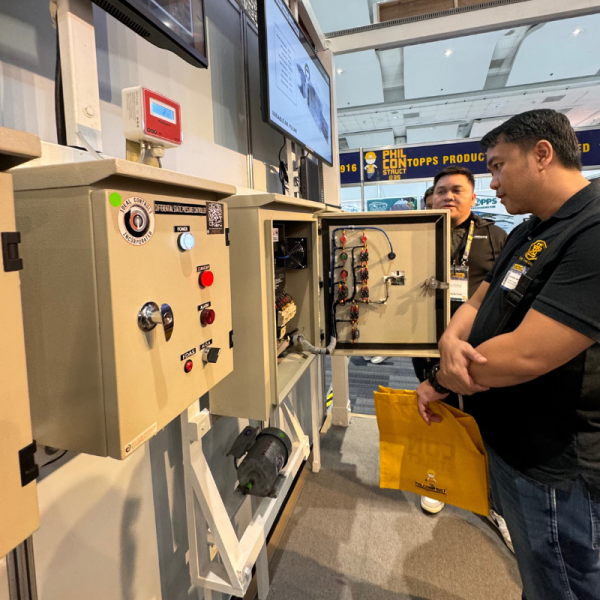
Motor Control Panel Boards
Designed for controlling and protecting electric motors, our motor control panel boards help optimize energy usage and prevent equipment failures.
Distribution Panel Boards
Our distribution panel boards provide seamless power allocation to various circuits, ensuring even load distribution and minimizing electrical faults.
Custom Panel Boards
We design and build custom panel boards to fit specific project requirements, whether for factories, hospitals, malls, or residential buildings.
Schedule your FREE initial consultation with ETCZ Corp today.
Our certified electrical engineers will evaluate your system and recommend safe, compliant, and future-ready solutions.
ETCZ Corp – Your Trusted Industrial Electrical Contractor for Panel Board Systems.
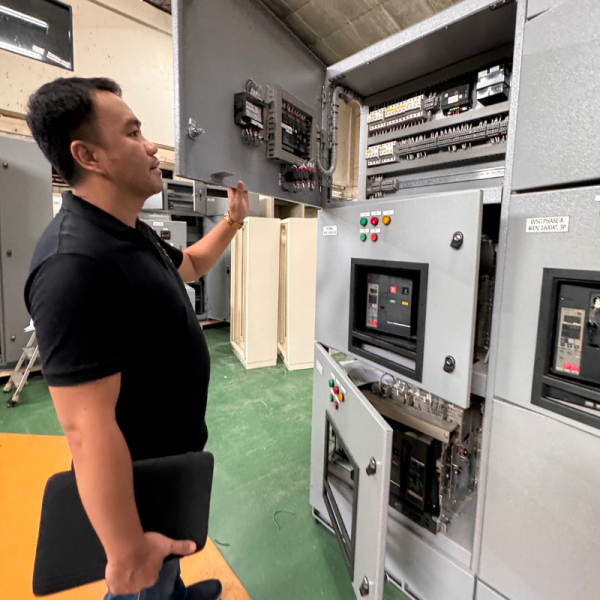
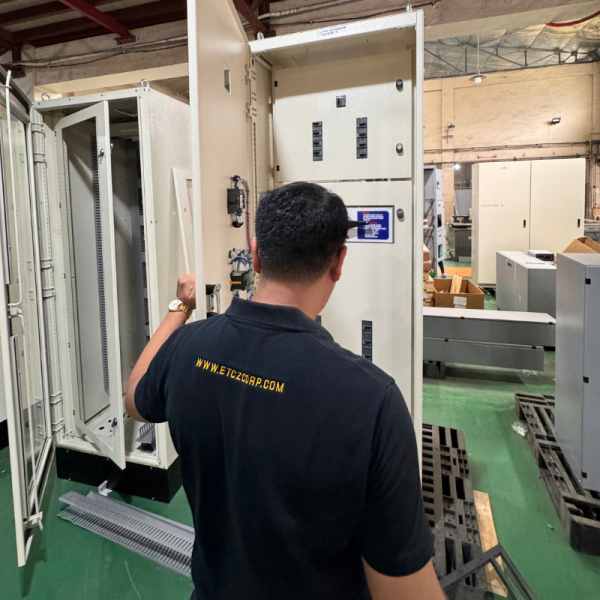
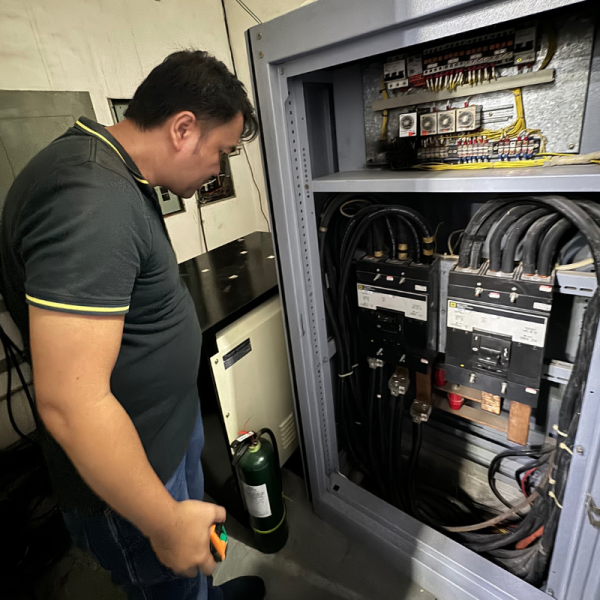
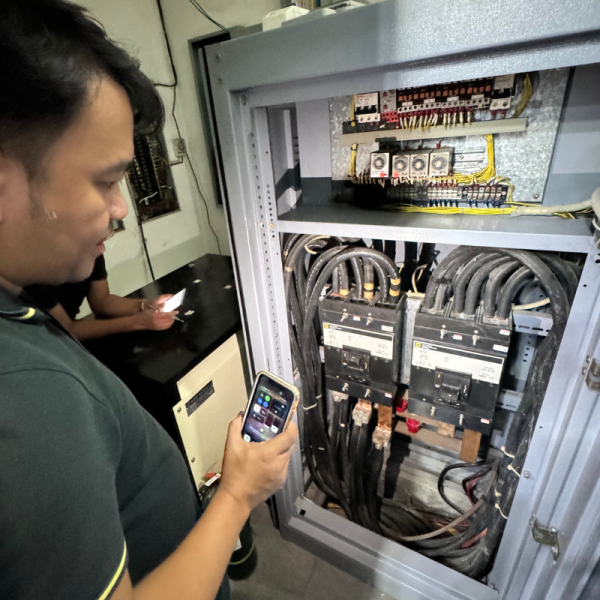
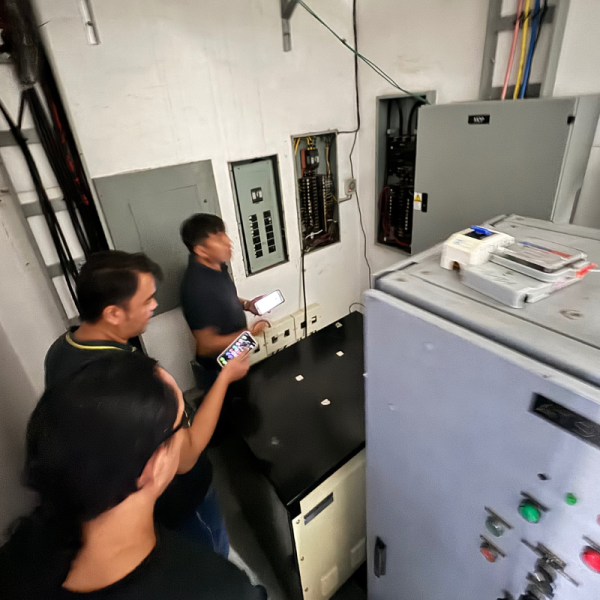
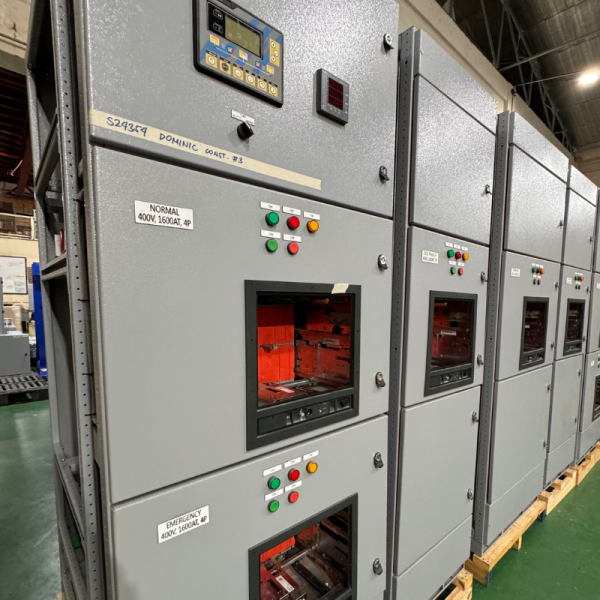
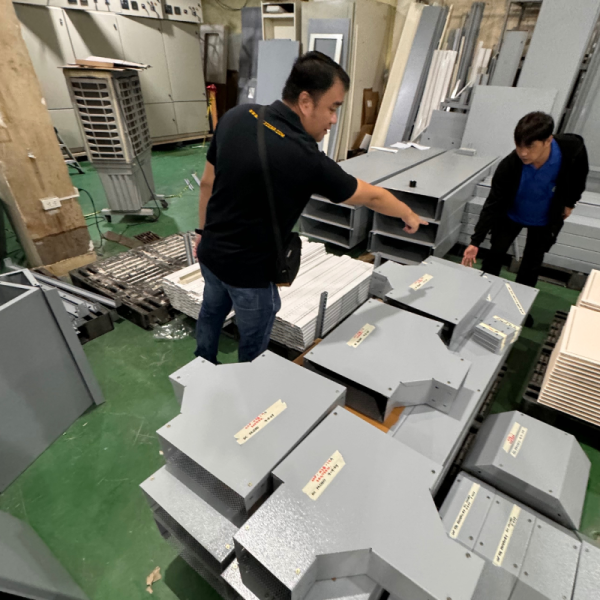
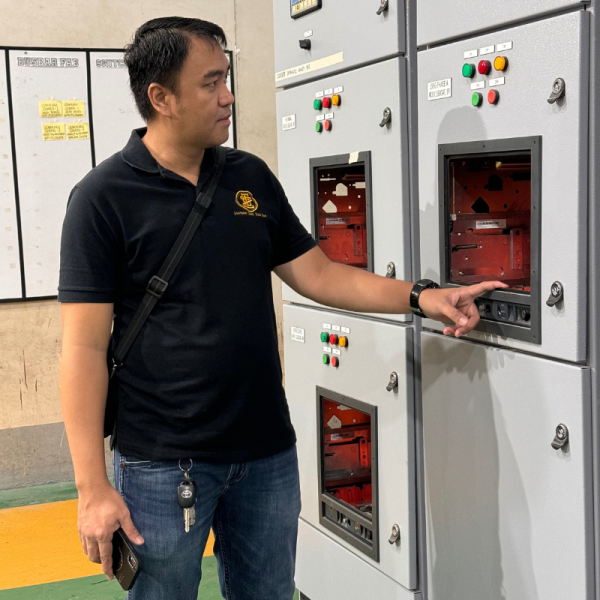
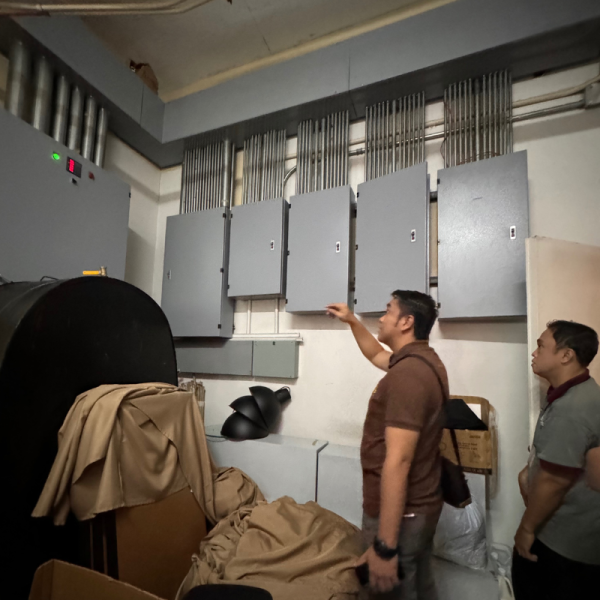
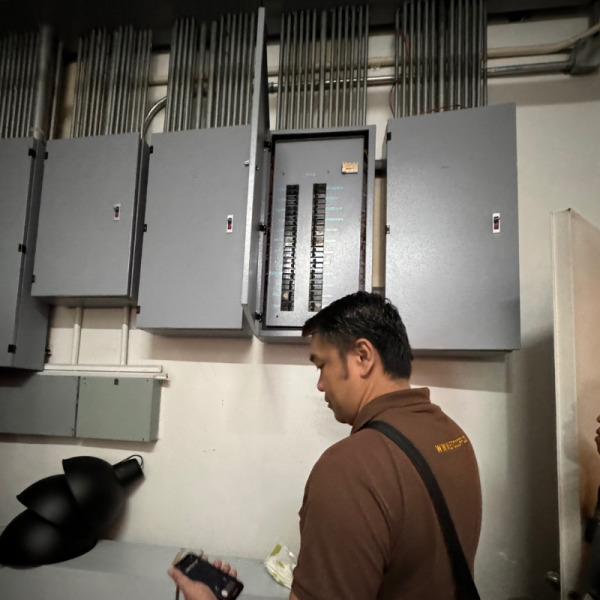
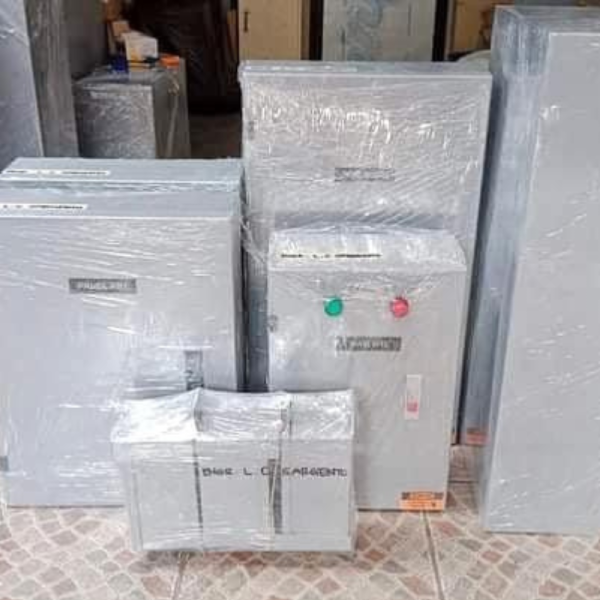
Gallery
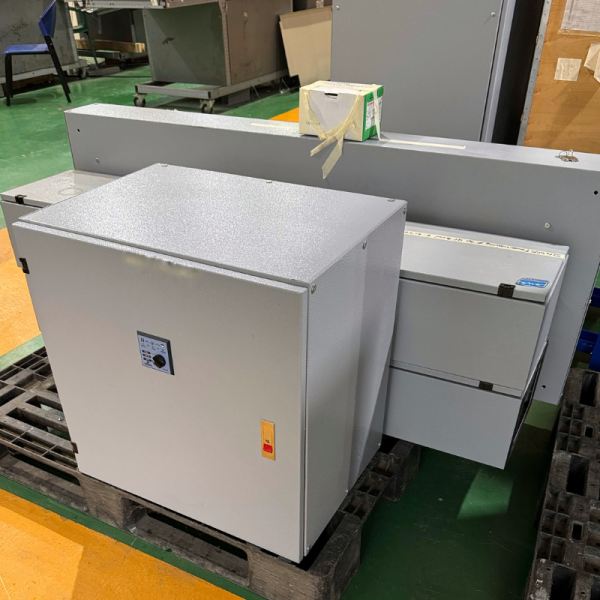
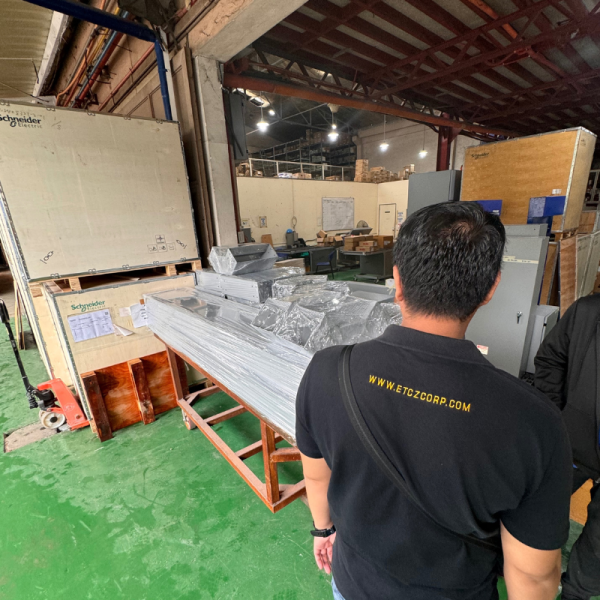
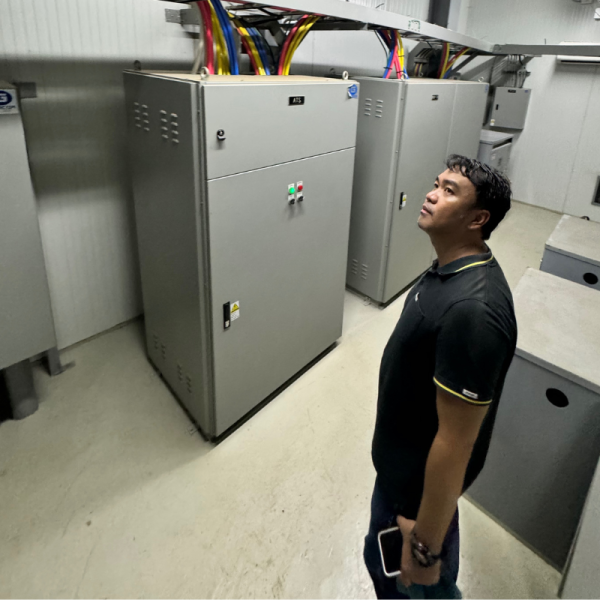
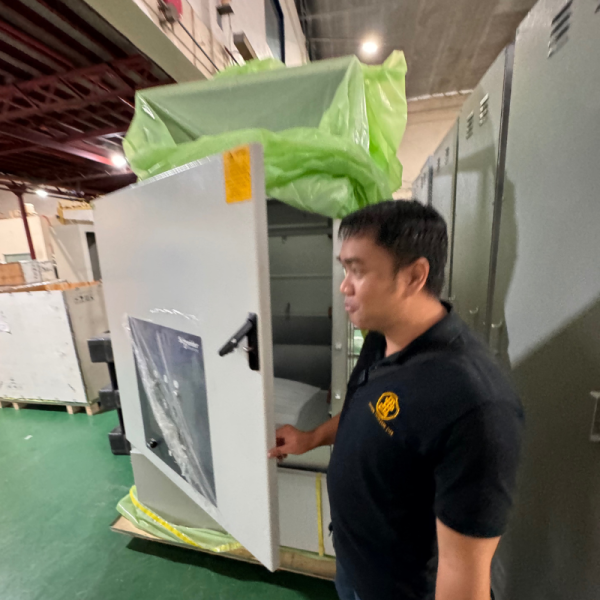
Your Partner for Electrical Success
Whether you are looking to design a new system, optimize an existing one, or address specific challenges, ETCZ Corp\u2019s electrical engineering services are your trusted solution. From initial planning to final implementation, we work closely with you to deliver efficient, reliable, and cost-effective results.

Expertise You Can Trust:
Backed by a team of seasoned professionals, we bring decades of collective experience to the table. Our electrical engineers are not only proficient in their craft but also passionate about delivering excellence in every project we undertake.

Comprehensive Services
Whether you’re in need of design consultation, project management, installation, or maintenance services, ETCZ Corp offers a comprehensive suite of solutions to meet your requirements. We work closely with our clients at every stage of the project, from conceptualization to completion, ensuring seamless execution and optimal outcomes.

Quality Assurance
Quality and safety are paramount in the work we do. At ETCZ Corp, we adhere to the highest standards of quality assurance, employing rigorous testing and inspection protocols to ensure that every project meets regulatory requirements and industry standards. Our dedication to quality is evident in the reliability and durability of our solution

Client-Centric Approach:
At ETCZ Corp, we prioritize our clients’ needs above all else. We take the time to understand their unique challenges, goals, and constraints, tailoring our services to deliver solutions that address their specific requirements. Our client-centric approach fosters long-lasting partnerships built on trust, transparency, and mutual success
Have any queries?
We're here to help.
- #52 M.L Quezon St. Villa Ligaya Subdivision Barangay Dela Paz, Antipolo City
- 09778411839
- [email protected]