

Custom Electrical Panel Board Philippines: Complete Buyer's Guide
Custom Electrical Panel Board Philippines: The Complete Buyer's Guide for Factories
If you’re managing, building, or expanding a factory in the Philippines, one of the most important decisions you’ll make is choosing the right electrical panel board. Get it wrong, and you’re looking at failed FDCP inspections, costly downtime, potential fire hazards, and expensive retrofits. Get it right, and your entire electrical system runs safely and efficiently for decades. This guide tells you everything you need to know.

According to the Bureau of Fire Protection (BFP) Philippines, electrical faults are consistently among the top causes of industrial fires in the country. Incorrectly specified or poorly fabricated panel boards are a significant contributing factor.
Unlike standard residential panels, industrial and commercial panel boards in the Philippines must comply with the Philippine Electrical Code (PEC), international standards such as IEC 61439, and in many cases the specific requirements of your utility provider (Meralco, Cotabato Light, VECO, etc.).
Why Custom Panel Boards Matter for Philippine Factories
The Philippine manufacturing sector has expanded dramatically over the past decade, particularly in industrial zones across Luzon — from Laguna Technopark to First Philippine Industrial Park (FPIP) and Carmelray Industrial Park. With this growth comes increased electrical complexity — more machines, higher power demands, more sophisticated automation systems, and stricter regulatory requirements.
Here’s why a custom panel board is critical for your facility:
Exact Load Match
A custom panel board is designed around your actual load schedule — the specific motors, equipment, lighting circuits, and HVAC systems in your facility. This prevents both over-engineering (paying for capacity you don’t need) and under-engineering (dangerous overloading of circuits).
PEC and Utility Compliance
Generic, imported panel boards frequently fail Philippine inspections because they don’t meet PEC requirements for labeling, busbar sizing, short-circuit ratings, or enclosure standards. A custom panel board built by a licensed Philippine electrical contractor is designed from the ground up to pass FDCP and utility inspections.
Space and Layout Optimization
Factory electrical rooms come in all shapes and sizes. Custom panel boards are fabricated to fit your available space exactly — including front-access vs. rear-access designs, floor-standing vs. wall-mounted options, and multi-section assemblies for high-circuit-count facilities.
Future Expansion Capacity
A well-engineered custom panel board includes spare capacity — empty slots, larger busbars, and conduit entries — sized for your factory’s projected growth. This eliminates the costly need to replace an entire panel just because you added one production line.
Brand and Component Quality Control
With a custom panel board from a reputable Philippine supplier, you specify the brands of circuit breakers, contactors, and metering equipment. This matters enormously for long-term reliability. Brands like Schneider Electric, ABB, Siemens, and Mitsubishi Electric have local support networks, spare parts availability, and warranties — critical considerations for Philippine-based facilities.
Types of Electrical Panel Boards Used in Industrial Facilities
Understanding the different types of panel boards will help you communicate clearly with suppliers and ensure you’re getting exactly what your facility needs.
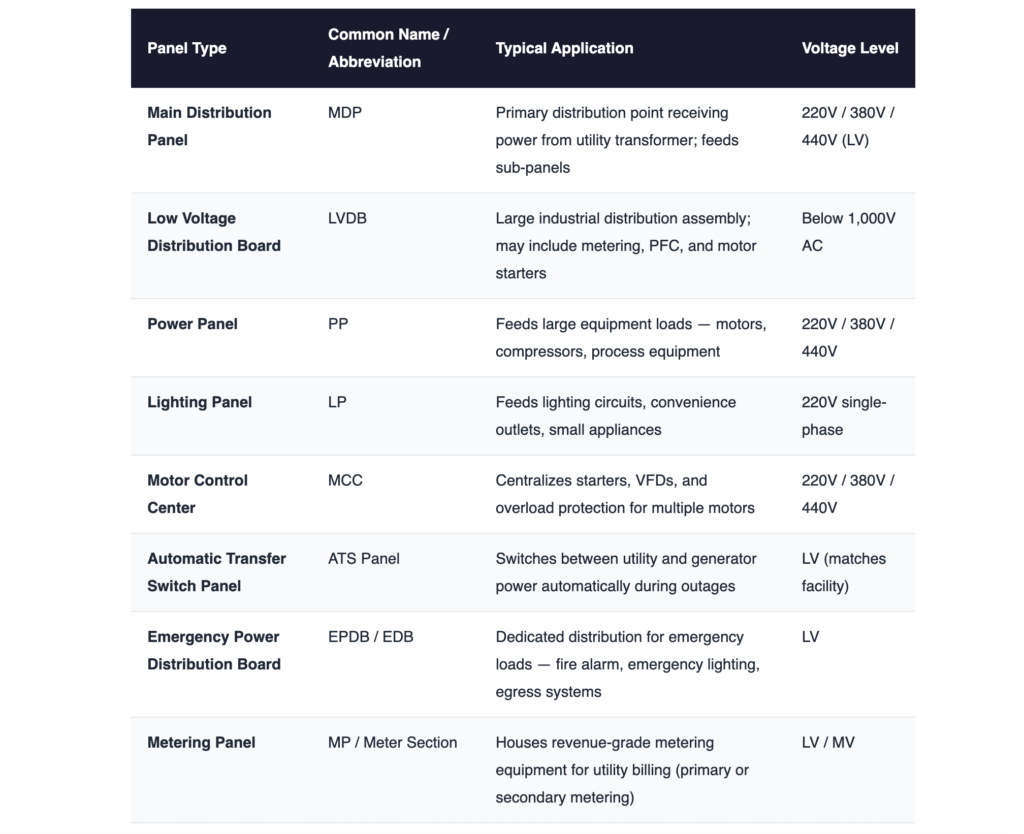
Key Components Inside an Industrial Panel Board
When you receive a quotation or panel board design from a supplier, understanding what’s inside the panel helps you compare proposals accurately and ensure you’re not paying for inferior components.
Busbars
The copper or aluminum conductors that carry current from the main incoming breaker to individual outgoing circuit breakers. Busbar sizing (cross-section in mm²) is critical — undersized busbars overheat under load. Quality suppliers use electrolytic copper busbars with proper isolation between phases.
Main Circuit Breaker (MCB / MCCB / ACB)
The main incoming protective device. Molded Case Circuit Breakers (MCCBs) are standard for most industrial panels up to about 1,600A. Air Circuit Breakers (ACBs) are used for higher amperages and provide more sophisticated protection and metering features. Brands like Schneider Electric’s EasyPact and ComPact series, or ABB’s Tmax series, are commonly specified in Philippine industrial panels.
Outgoing Circuit Breakers
Individual MCBs or MCCBs for each outgoing circuit. These must be coordinated with the main breaker (a process called protective device coordination or selectivity study) to ensure that a fault on one circuit trips only that circuit’s breaker — not the entire panel.
Enclosure
The steel cabinet housing all components. Industrial panel boards typically use 2.0mm–3.0mm cold-rolled steel enclosures with powder-coat or enamel paint finishes. IP rating matters — IP54 or higher is recommended for factory environments with dust and moisture. Stainless steel enclosures are specified for food processing or chemical plants.
Metering Equipment
Many industrial panel boards include panel-mounted power meters, energy meters, ammeters, and voltmeters to monitor load and energy consumption. Modern facilities increasingly use multi-function power meters (MFMs) that communicate via Modbus to building management systems (BMS).
Surge Protection Devices (SPDs)
Surge protection is critical in the Philippines, where lightning strikes and utility switching events cause frequent transient overvoltages. DEHN, Schneider Electric, and Citel make surge protection devices designed for panel board installation in Philippine conditions.
5. Philippine Electrical Code (PEC) Standards You Must Know
The Philippine Electrical Code (PEC), published and maintained by the Institute of Integrated Electrical Engineers of the Philippines (IIEE), governs all electrical installations in the country. Panel boards must comply with specific PEC articles to pass inspection by the Fire and Electrical Inspection Unit (FEIU) under the Bureau of Fire Protection (BFP).
Key PEC requirements affecting panel board design and installation include:
PEC Rule 2.30 — Panelboards
This rule covers the installation requirements for panelboards — covering cabinet construction, bus arrangement, overcurrent protection requirements, and maximum number of overcurrent devices. A critical requirement is that the total ampere ratings of all overcurrent devices in a panel cannot exceed the panelboard’s own rating.
PEC Rule 2.10 — Wiring Methods and Conductors
Governs the cable sizes, insulation ratings, and installation methods for all conductors connecting to the panel board — including incoming service cables and outgoing branch circuits.
PEC Rule 1.50 — Grounding
Proper system grounding and equipment grounding is mandatory. All panel board enclosures must be effectively grounded. Ground fault protection is required on specific circuits and at specific current ratings.
Short-Circuit Current Rating (SCCR)
One of the most commonly overlooked panel board requirements in the Philippines is the short-circuit current rating. Every circuit breaker and panel assembly must be rated to interrupt the maximum available fault current at that point in the system. Undersized SCCR ratings create a serious explosion and fire hazard during fault conditions.
IEC 61439 — Low Voltage Switchgear and Controlgear Assemblies
For industrial panel boards and LVDBs, compliance with IEC 61439 is increasingly required by multinational clients and industrial zone administrators. This international standard covers verification testing, temperature rise limits, and construction requirements for LV assemblies.
How Much Does a Custom Panel Board Cost in the Philippines?
Pricing for custom electrical panel boards in the Philippines varies significantly based on type, amperage rating, number of circuits, brand of components, enclosure specifications, and the complexity of the single-line diagram. Below is a general price reference based on 2026 market conditions.
| Panel Board Type | Typical Capacity | Approximate Price Range | Notes |
|---|---|---|---|
| Lighting Panel (LP) | 60A–200A, 12–30 circuits | ₱8,000 – ₱25,000 | Standard commercial/residential use |
| Power Panel (PP) | 100A–400A, 6–24 circuits | ₱20,000 – ₱80,000 | Equipment and motor loads |
| Main Distribution Panel (MDP) | 400A–1,600A | ₱150,000 – ₱600,000 | Medium factory; price rises with brand spec |
| LVDB (Industrial) | 1,600A–4,000A+ | ₱500,000 – ₱2,000,000+ | Large manufacturing; may include PFC, metering |
| Motor Control Center (MCC) | Varies by motor count | ₱300,000 – ₱1,500,000+ | Per number of motor starter units |
| ATS Panel | 200A–1,600A | ₱80,000 – ₱400,000 | Auto transfer for generator backup |
*Prices are indicative only and reflect material and basic fabrication costs. Installation, cabling, conduits, and engineering fees are additional. Always request a formal quotation based on your specific load schedule and site conditions.
What Drives Panel Board Costs Up?
- Premium brand components: Schneider Electric and ABB command higher prices than generic alternatives — but deliver superior reliability, warranty support, and spare parts availability.
- Higher IP ratings: IP65 stainless steel enclosures for food/pharma environments cost significantly more than standard IP42 steel enclosures.
- Metering integration: Adding revenue-grade metering, MFMs, and communication modules increases cost but adds significant long-term value.
- Seismic bracing: Required in earthquake-prone areas of the Philippines; adds to enclosure fabrication complexity.
- UPS integration: For critical load panels that must stay powered during transitions.
The Panel Board Procurement Process: Step-by-Step
For factory owners and project managers who haven’t been through a custom panel board procurement before, here’s what the process looks like from start to finish with a reputable supplier in the Philippines.
Step 1: Electrical Load Schedule
Before any panel board can be designed, your electrical engineer must produce a complete load schedule — a list of every electrical load in the facility, its rated amperage, power factor, demand factor, and the circuit it connects to. This document is the foundation of the entire panel board design. Without it, any panel board quotation is just a guess.
Step 2: Single-Line Diagram (SLD)
The SLD shows the complete electrical distribution hierarchy of your facility — from utility incoming service, through the main panel, to every sub-panel and major load. It defines the voltage levels, cable routes, protection scheme, and metering points. A licensed Registered Electrical Engineer (REE) must produce and sign the SLD under Philippine law.
Step 3: Panel Board Design and Specification
Using the load schedule and SLD, the supplier’s engineering team produces a detailed panel board design — including busbar sizing, circuit breaker selection, short-circuit study, enclosure dimensions, and component layout. This is where the “custom” part truly happens.
Step 4: Shop Drawing Review and Approval
Before fabrication begins, you (or your project electrical engineer) review and approve the shop drawings. This is your opportunity to verify that the design matches your requirements and that all PEC compliance items are addressed. Don’t skip this step.
Step 5: Fabrication
Panel board fabrication typically takes 2–8 weeks depending on complexity. During this stage, the steel enclosure is cut, welded, and powder-coated; busbars are machined and installed; and circuit breakers and components are mounted and wired according to the approved design.
Step 6: Factory Acceptance Test (FAT)
Before the panel leaves the fabrication shop, it should undergo a Factory Acceptance Test — verifying insulation resistance, continuity, correct wiring, and proper operation of all circuit breakers and protective devices. Request a FAT report from your supplier.
Step 7: Delivery, Installation, and Commissioning
Panel delivery to site must be carefully coordinated to avoid physical damage during transport and installation. Once in place, a licensed electrical contractor performs the final connections, and the panel is energized and commissioned. Commissioning tests include insulation resistance, function testing of all breakers, and verification of metering accuracy.
Step 8: PEC Compliance Inspection
For new or upgraded facilities in the Philippines, electrical inspection by the local FDCP (Fire and Disaster Control Plan) authority and utility provider (e.g., Meralco) is required before full operation. Your electrical contractor should prepare the as-built drawings and technical documentation package for this inspection.
8. How to Choose the Right Panel Board Supplier in the Philippines
The Philippine market has no shortage of panel board suppliers — from large established electrical contractors to small fabrication shops. Choosing the wrong supplier is one of the most expensive mistakes a factory can make. Here’s exactly what to look for.
✅ Licensed Electrical Engineer on Staff
Any panel board design must be signed and sealed by a PRC-licensed Registered Electrical Engineer (REE). Ask to see the REE license of the engineer who will sign your drawings. This is non-negotiable under Philippine law (RA 7920).
✅ Authorized Brand Distributor / Accredited Installer
Top-tier panel board suppliers in the Philippines are authorized distributors or accredited installers for the brands they use (Schneider Electric, ABB, Siemens, etc.). This authorization means they use genuine components, have access to technical support, and can provide valid product warranties.
✅ Track Record with Industrial Projects
Ask for a portfolio of completed industrial panel board projects — including client name, project scope, and photos. A supplier with experience in your specific industry (food manufacturing, pharmaceuticals, electronics, cold storage) is even better, as they’ll understand the specific code requirements and operating environment.
✅ Ability to Produce and Sign Engineering Documents
Your supplier should be able to produce a complete documentation package: load schedule review, single-line diagram, panel board shop drawings, material submittals, FAT reports, and as-built drawings. If a supplier can’t provide these, walk away — they’re not a legitimate engineering firm.
✅ After-Sales Support and Maintenance Capability
Panel boards require ongoing maintenance — thermal scanning, torque checks, breaker testing. Choose a supplier who also provides preventive maintenance services (PMS) and can support your panel board throughout its 20–30 year service life. An annual PMS contract from the same firm that fabricated your panel board is an ideal arrangement.
✅ Response Time for Emergency Service
Panel board faults don’t wait for business hours. Ask prospective suppliers about their emergency response capability. A supplier based in or near your industrial zone — and available 24/7 — provides far more value than a low-price competitor that’s hours away.
Panel Board Maintenance: Protecting Your Investment
A custom panel board is a significant investment — and like any industrial equipment, it requires regular maintenance to remain safe and efficient. Neglected panel boards are one of the leading causes of electrical fires and unplanned production shutdowns in Philippine factories.
Electrical Thermography (Infrared Scanning)
Electrical thermography — using an infrared camera to scan panel boards under load — is the single most powerful tool for identifying problems before they become failures. Hot spots caused by loose connections, overloaded circuits, or failing components appear as temperature anomalies that are invisible to the naked eye but clearly visible in an infrared image.
ETCZ Corp recommends thermal scanning of panel boards at least once per year for standard industrial facilities, and every six months for high-load or critical facilities. Many insurance providers in the Philippines now require documented thermal scanning as a condition of electrical equipment coverage.
Annual Preventive Maintenance (PMS)
A comprehensive annual PMS visit should include:
- Visual inspection of all components, cables, and enclosure
- Torque check and retightening of all busbar connections, cable lugs, and terminal screws
- Cleaning of enclosure interior, removal of dust and debris
- Testing of all circuit breakers (trip test)
- Insulation resistance testing of all circuits
- Verification of protection relay settings against the original design settings
- Review of metering accuracy
- Documentation of findings and corrective action recommendations
Load Monitoring
Many factories expand production over time without updating their electrical documentation. It’s critical to periodically compare actual measured loads against the original panel board load schedule. If circuits are routinely running at more than 80% of their rated capacity, the panel board is being overloaded — a fire and equipment-failure risk that must be addressed proactively.
When to Replace vs. Repair a Panel Board
Panel boards that are more than 25–30 years old, show repeated tripping issues, have physical damage (corrosion, burn marks, cracked insulators), or use obsolete breaker types that can no longer be maintained should be evaluated for replacement. A qualified electrical engineer from a firm like ETCZ Corp can assess your panel and provide an honest recommendation — repair, retrofit, or full replacement.
10. Why Factories Choose ETCZ Corp for Custom Panel Boards
ETCZ Corp is a licensed electrical engineering and contracting firm based in Antipolo City, Rizal, serving commercial and industrial clients throughout Luzon. Our panel board services span the complete lifecycle: consultation and design, fabrication, installation, commissioning, and long-term maintenance.
What Makes ETCZ Corp Different
- Certified Electrical Engineers on staff — All panel board designs are produced and signed by PRC-licensed Registered Electrical Engineers (REEs). Every project is code-compliant by design, not by chance.
- Authorized brand components — ETCZ Corp uses genuine circuit breakers, contactors, and protection devices from leading brands including Schneider Electric, ABB, Siemens, Mitsubishi, and CRE. No counterfeits, no substitutions without client approval.
- Free consultation — Before committing to any panel board project, ETCZ Corp provides a free consultation with a certified electrical engineer to review your load schedule, discuss your requirements, and provide an honest assessment of your options.
- Full documentation package — Every ETCZ Corp panel board comes with a complete documentation package: as-built drawings, FAT report, material submittals, and commissioning records — everything you need for FDCP inspection and insurance requirements.
- Industrial zone expertise — ETCZ Corp has completed panel board projects in factories across Laguna Technopark, FPIP, Carmelray, and major industrial areas in Rizal, Laguna, Batangas, Bulacan, and Pampanga.
- Integrated PMS and thermography — As a full-service electrical firm, ETCZ Corp can maintain your panel board throughout its service life with annual PMS and thermal scanning — giving you a single, accountable partner for your electrical system.
Whether you’re building a new factory, expanding an existing facility, replacing aging electrical infrastructure, or need a turnkey electrical contractor in the Philippines for an industrial zone project, ETCZ Corp has the engineering capability, brand authorizations, and project experience to deliver.
Explore more of ETCZ Corp’s related services:




ETCZ CORP
FAQ
A custom electrical panel board is an enclosure that houses circuit breakers, busbars, protective devices, and metering equipment built to the specific load, voltage, and layout requirements of a facility — rather than a generic off-the-shelf unit. In industrial and commercial settings in the Philippines, custom panel boards are fabricated to match PEC requirements and the exact electrical demands of the building or plant.
Panel board prices in the Philippines vary widely based on type and capacity. A basic lighting panel (LP) typically ranges from ₱8,000–₱25,000. A power panel (PP) runs ₱20,000–₱80,000. A main distribution panel (MDP) for a medium factory can range from ₱150,000–₱600,000+, while a full low-voltage distribution board (LVDB) for a large industrial facility may cost ₱500,000–₱2,000,000 or more. Always request a detailed quotation from a licensed supplier like ETCZ Corp based on your specific load schedule.
An MDP (Main Distribution Panel) is the primary panel that receives power from the utility or transformer and distributes it to sub-panels throughout a facility. An LVDB (Low Voltage Distribution Board) is a broader term for any panel operating at low voltage (below 1,000V AC) that distributes power to multiple circuits or sub-systems. In large industrial facilities, an LVDB typically refers to a larger, more complex assembly than an MDP and may incorporate metering, power factor correction, and motor control components.
Lead times for custom panel board fabrication in the Philippines typically range from 2 to 8 weeks depending on complexity, component availability, and the supplier’s current workload. Simple lighting or power panels may be completed in 1–2 weeks. Complex MDPs or LVDBs with custom busbars, metering, and multi-section enclosures can take 4–8 weeks or longer. Always confirm lead times with your supplier early, especially for project-critical timelines.
ETCZ CORP
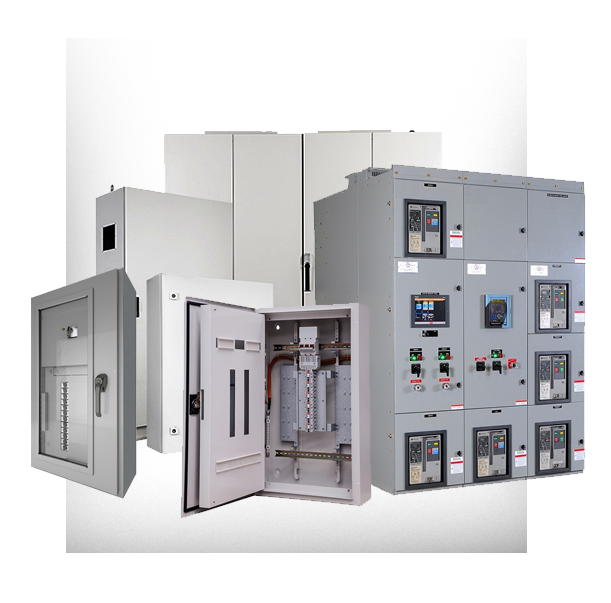
Types of Panel Boards We Offer
What Is a Custom Electrical Panel Board?
An electrical panel board — also called a distribution board, distribution panel, or breaker panel — is an enclosure that receives electrical power from a source (utility transformer or generator) and distributes it to individual circuits throughout a building or facility. It houses the circuit breakers, fuses, busbars, metering equipment, and protective relays that control and safeguard every circuit in your facility.
A custom electrical panel board is one that is engineered and fabricated specifically for your facility’s electrical load schedule, physical layout, voltage level, and operational requirements — rather than purchased as a generic, off-the-shelf unit.
For most industrial and commercial facilities in the Philippines, custom panel boards are not just preferable — they’re necessary. Every factory has a different combination of motors, lighting loads, HVAC systems, process equipment, and future expansion capacity. A panel board that isn’t designed specifically for these demands creates a dangerous mismatch between protection settings and actual electrical behavior.
ETCZ CORP
Industries We Serve
Manufacturing & Industrial Plants
Commercial Buildings & Shopping Malls
Hospitals & Healthcare Facilities
Data Centers & IT Infrastructure
Residential & Real Estate Developments
Lighting and Power Panel Boards
Ideal for commercial and industrial applications, our lighting and power panel boards ensure safe and efficient distribution of electrical power.
Motor Control Panel Boards
Designed for controlling and protecting electric motors, our motor control panel boards help optimize energy usage and prevent equipment failures.
Distribution Panel Boards
Our distribution panel boards provide seamless power allocation to various circuits, ensuring even load distribution and minimizing electrical faults.
Custom Panel Boards
We design and build custom panel boards to fit specific project requirements, whether for factories, hospitals, malls, or residential buildings.
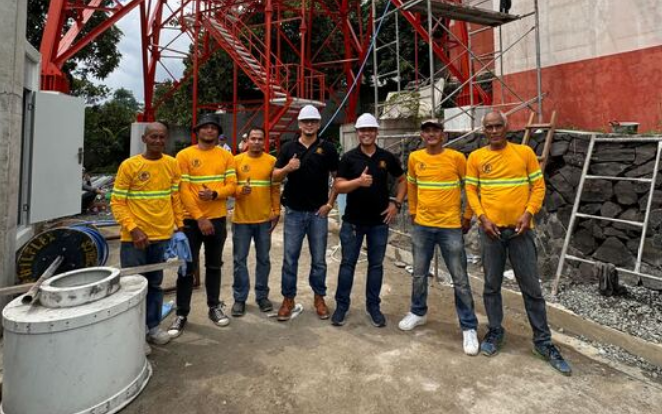
Get a Free Consultation Today!
we recognize the critical role that well-designed panel boards play in ensuring the safety, efficiency, and reliability of your electrical systems. As part of our commitment to empowering our clients with top-tier solutions, we are excited to offer a complimentary consultation with our certified electrical engineer.
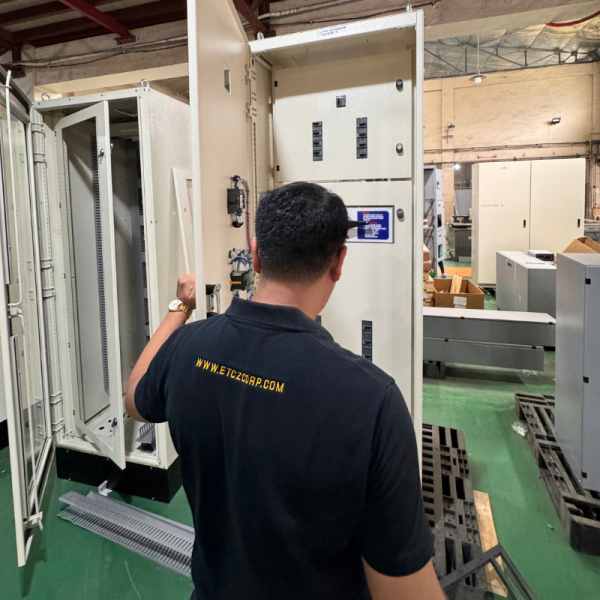
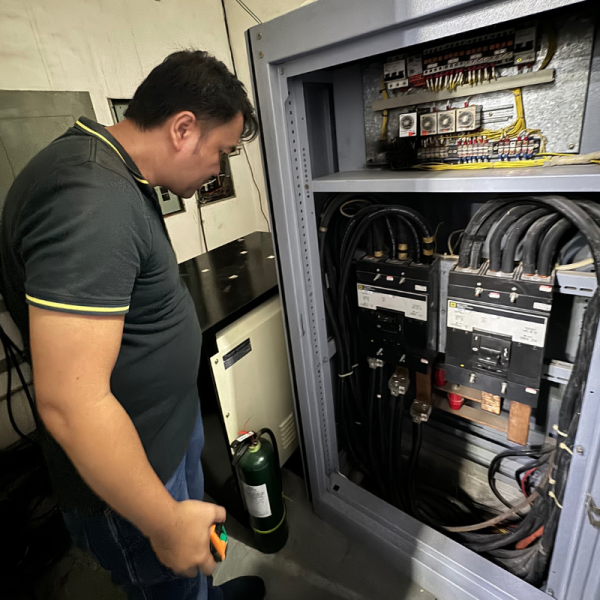
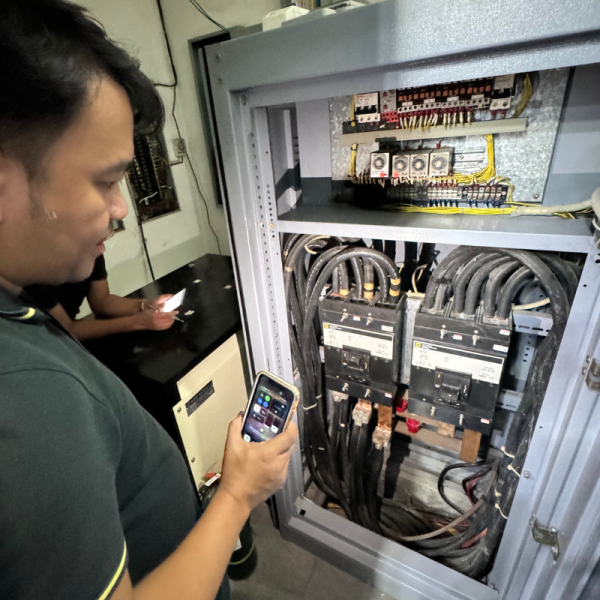
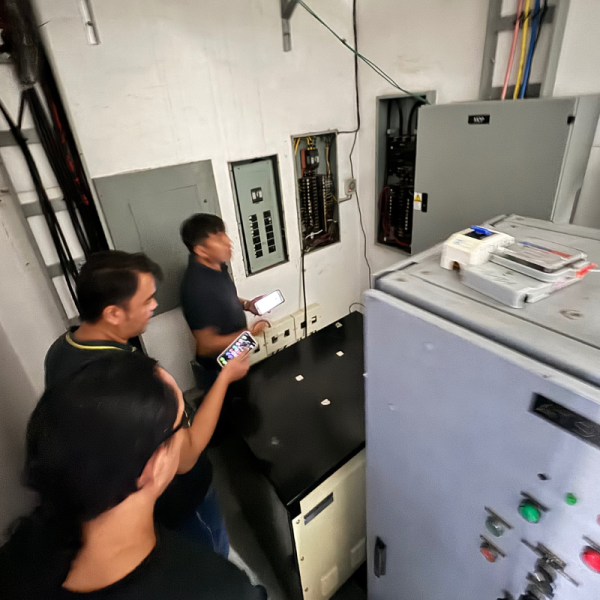
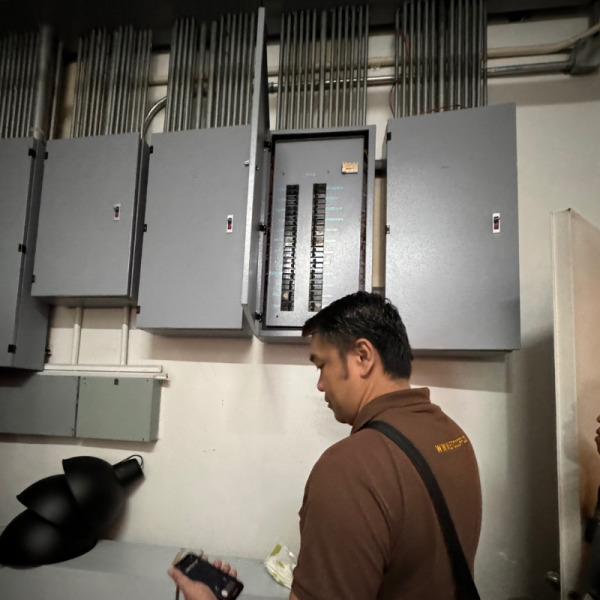
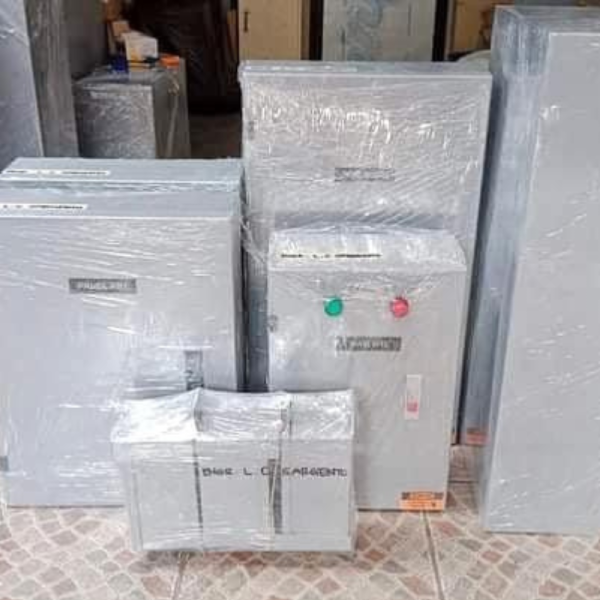
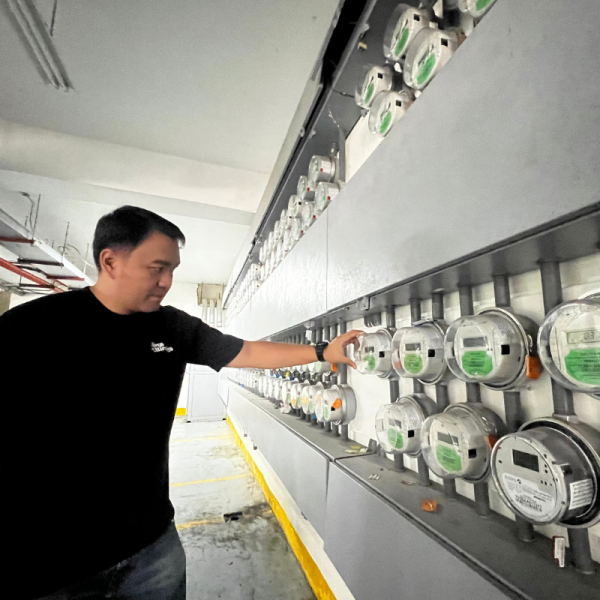
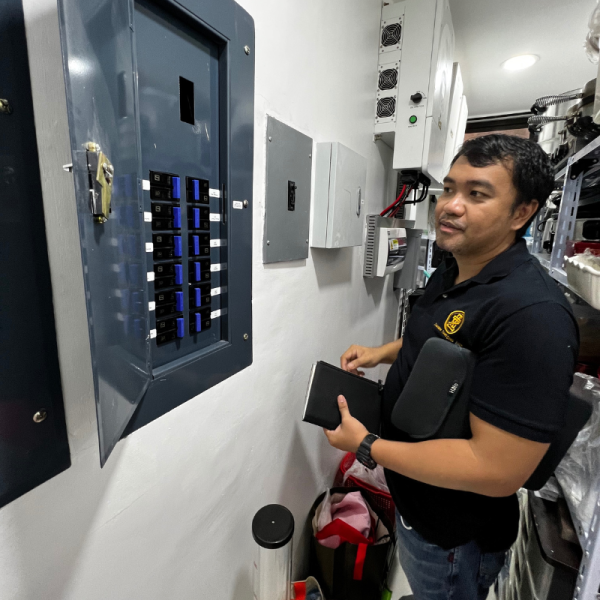
Gallery
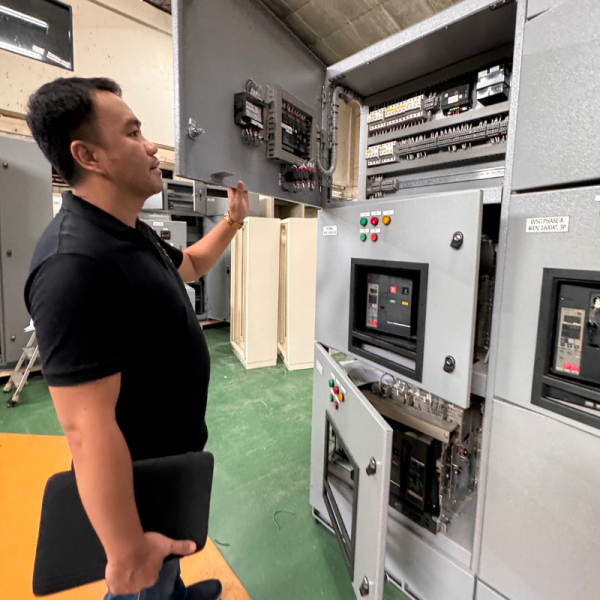
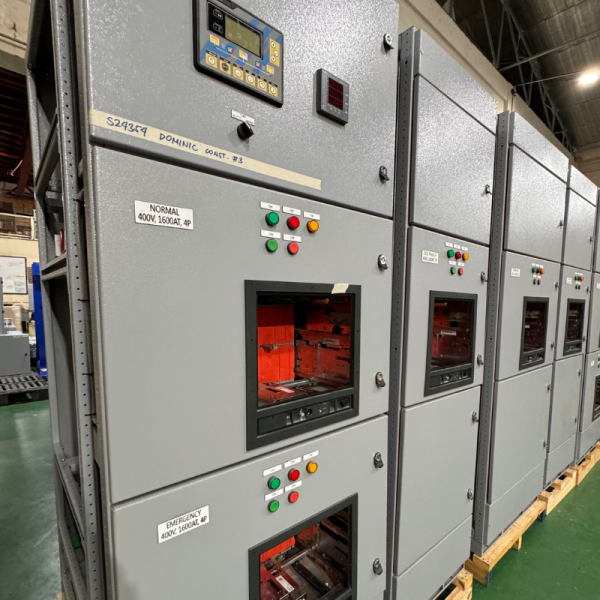
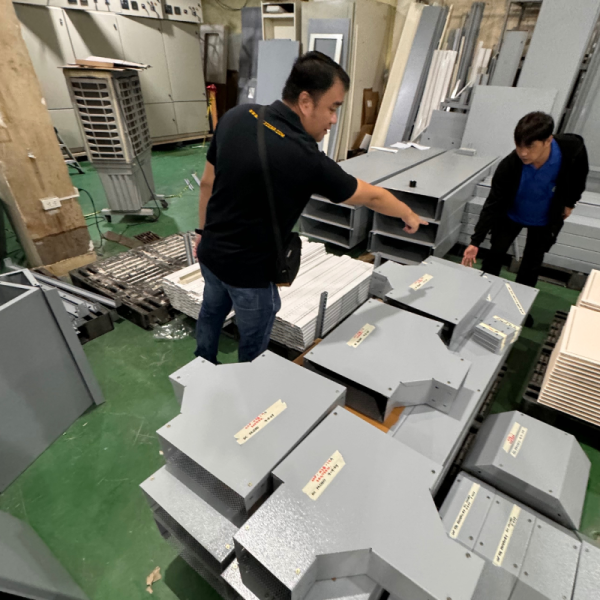
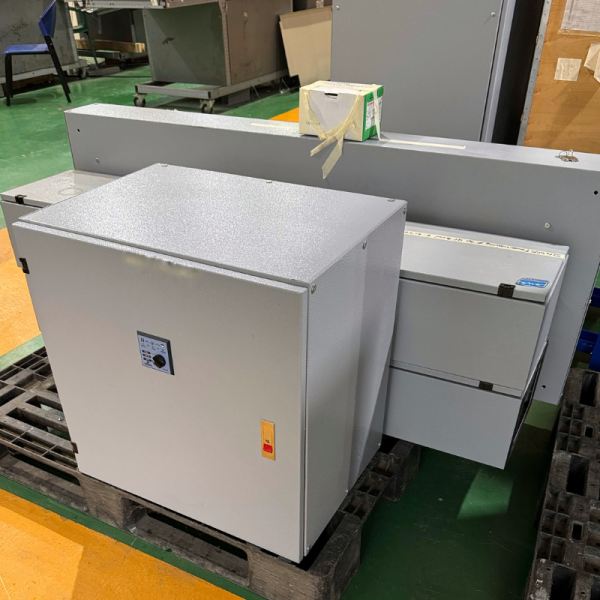
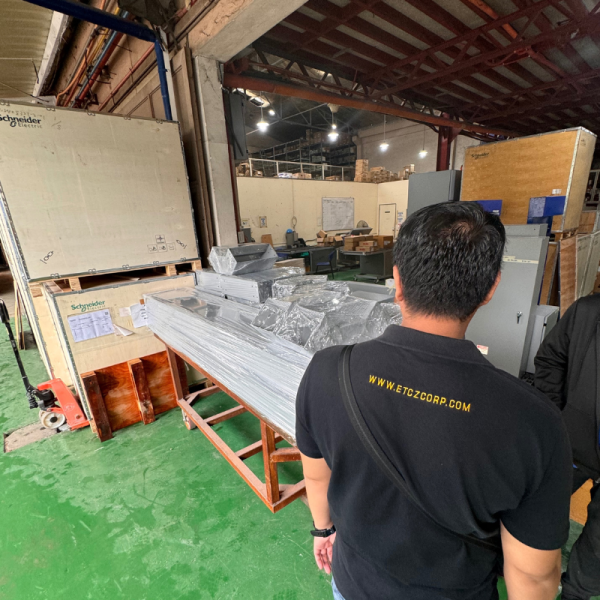
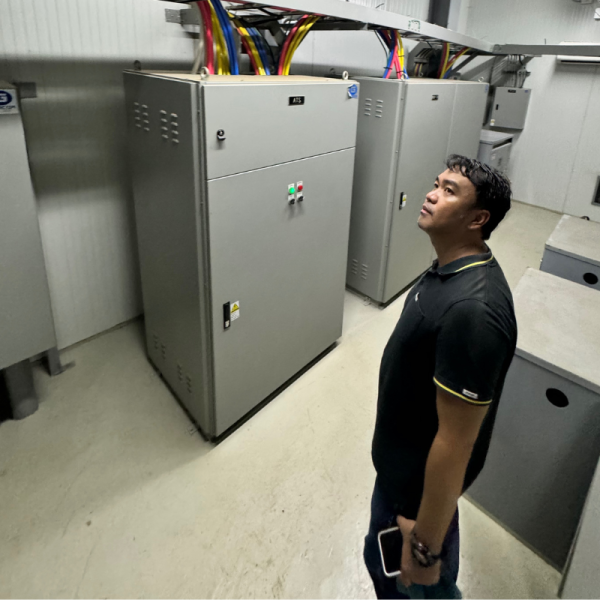
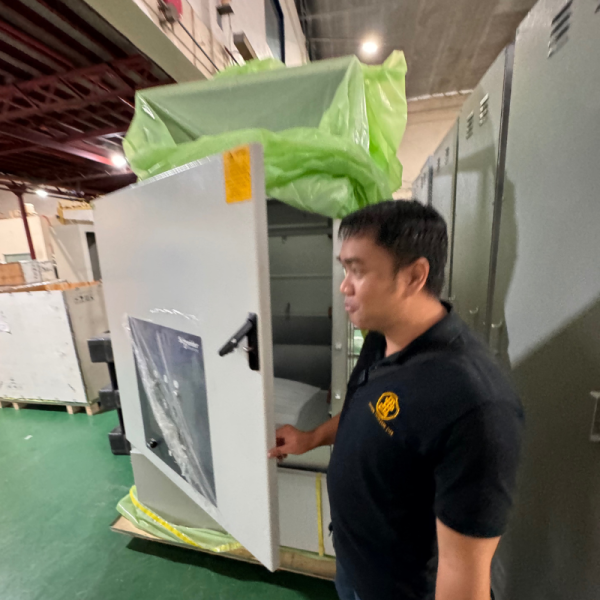
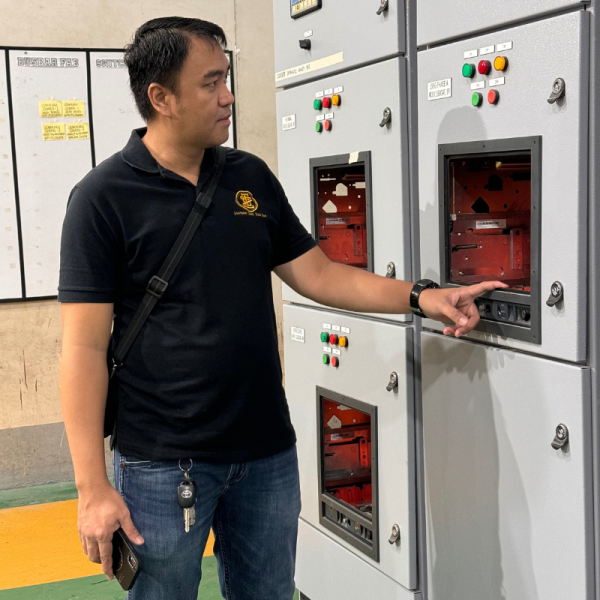
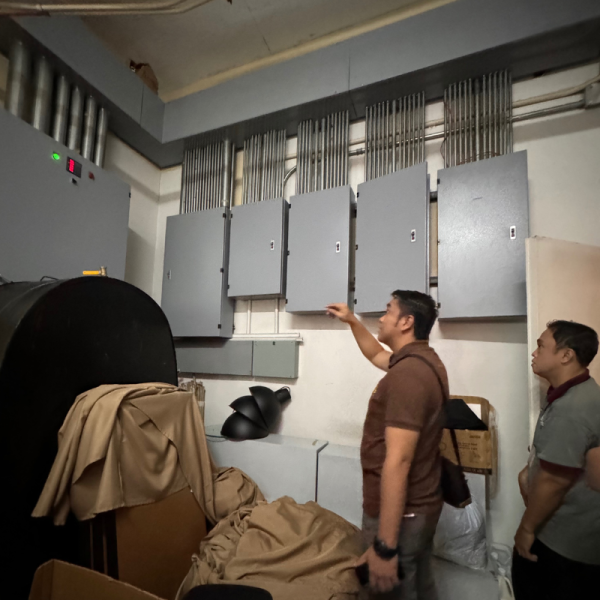
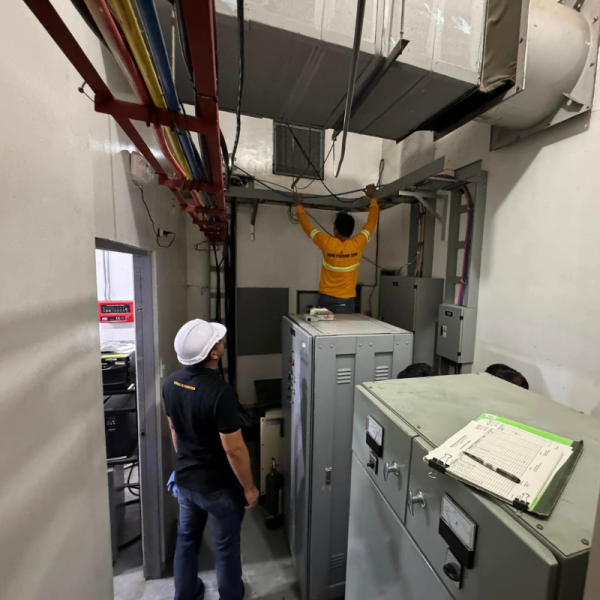
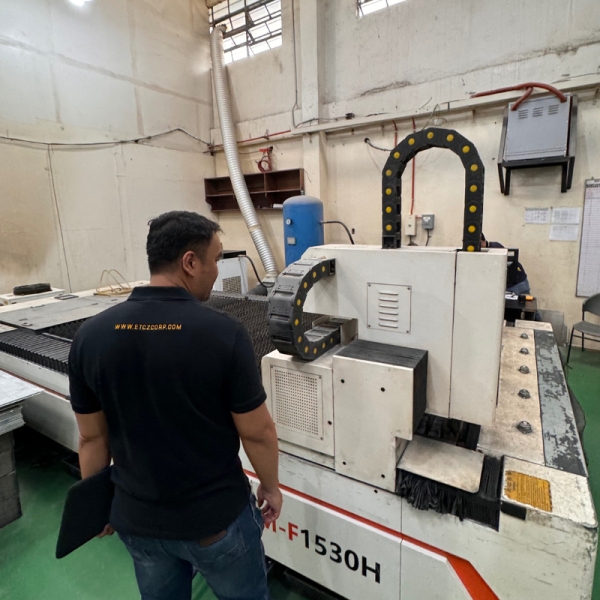
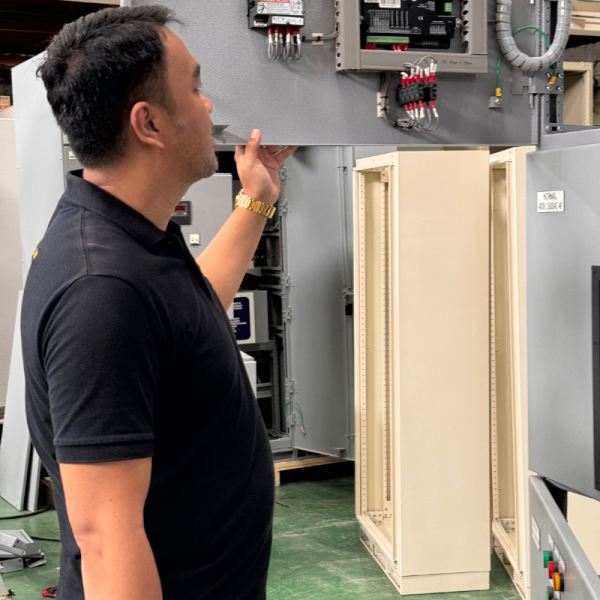
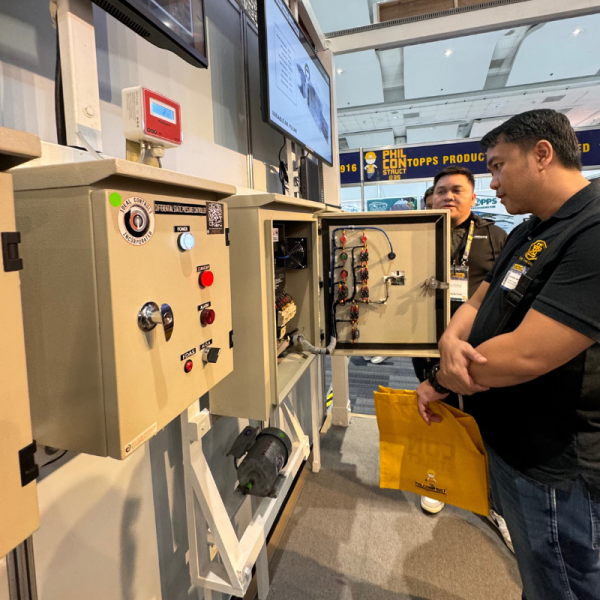
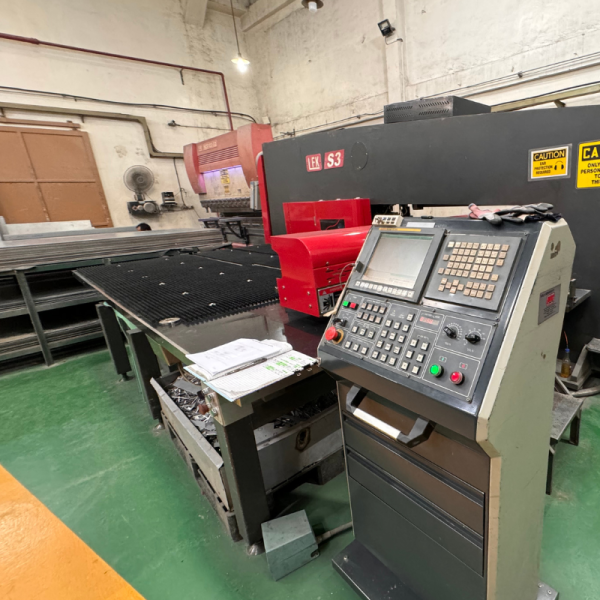

Your Partner for Electrical Success
Whether you are looking to design a new system, optimize an existing one, or address specific challenges, ETCZ Corp\u2019s electrical engineering services are your trusted solution. From initial planning to final implementation, we work closely with you to deliver efficient, reliable, and cost-effective results.

Expertise You Can Trust:
Backed by a team of seasoned professionals, we bring decades of collective experience to the table. Our electrical engineers are not only proficient in their craft but also passionate about delivering excellence in every project we undertake.

Comprehensive Services
Whether you’re in need of design consultation, project management, installation, or maintenance services, ETCZ Corp offers a comprehensive suite of solutions to meet your requirements. We work closely with our clients at every stage of the project, from conceptualization to completion, ensuring seamless execution and optimal outcomes.

Quality Assurance
Quality and safety are paramount in the work we do. At ETCZ Corp, we adhere to the highest standards of quality assurance, employing rigorous testing and inspection protocols to ensure that every project meets regulatory requirements and industry standards. Our dedication to quality is evident in the reliability and durability of our solution

Client-Centric Approach:
At ETCZ Corp, we prioritize our clients’ needs above all else. We take the time to understand their unique challenges, goals, and constraints, tailoring our services to deliver solutions that address their specific requirements. Our client-centric approach fosters long-lasting partnerships built on trust, transparency, and mutual success
Have any queries?
We're here to help.
- #52 M.L Quezon St. Villa Ligaya Subdivision Barangay Dela Paz, Antipolo City
- 09778411839
- [email protected]